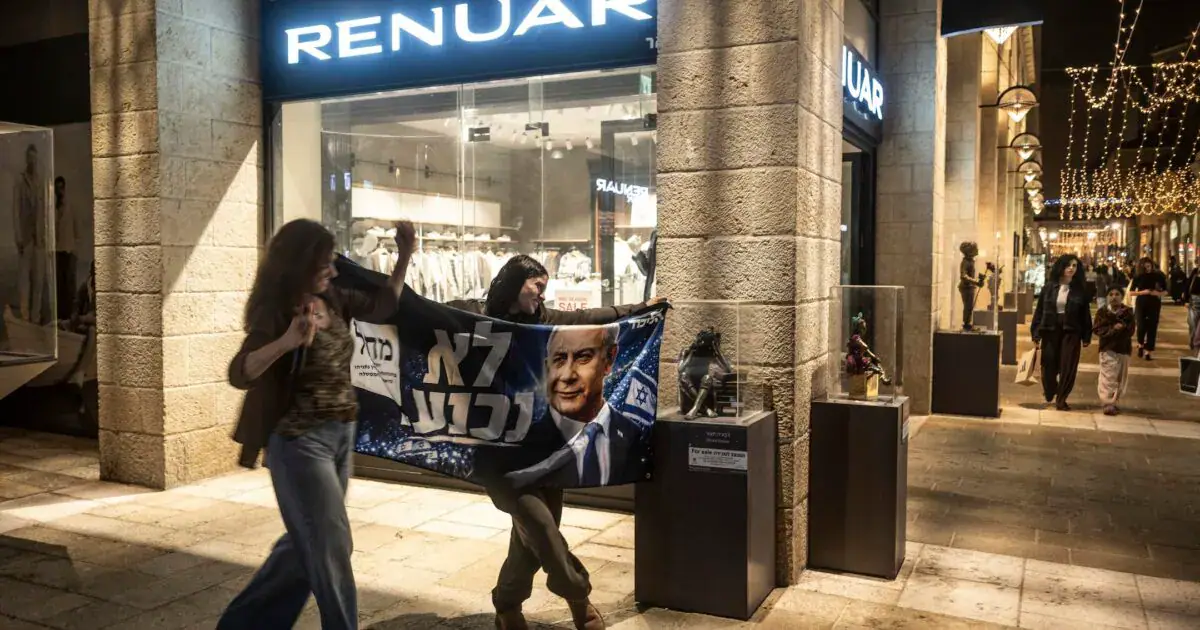
Yael Chernyvsky, an 18-year-old from Ramat Hasharon, is among the estimated 640,000 Israelis aged 18 to 22 eligible to vote in the upcoming election. She plans to cast her ballot for the first time, seeking to change the country's future. Chernyvsky blames the current right-wing government led by Prime Minister Benjamin Netanyahu for Israel's problems and intends to vote for one of the opposition parties in the "change bloc".
According to the Israel Democracy Institute (IDI), young voters comprise nearly 10% of the electorate and their votes could determine as many as 12 seats in the 120-member Knesset. The IDI, which co-sponsored an event for young voters, found that 80% to 95% of those surveyed said they would "definitely" or be likely to vote. Secular Jewish youth expressed the highest level of certainty regarding participation.
A separate poll for the Ynet and Yedioth Ahronoth news outlets also revealed high motivation among young voters: 67% of respondents said they were certain they would vote, while another 19% thought they would. National security and the cost of living were top priorities for both Jews and Arabs in the polls. The IDI's head of education policy, Tammy Hoffman, noted that young voters have lived in an unstable environment during their adolescence.
The Hamas attack affected every Israeli, but the fact that many first-time voters are either serving in the Israel Defense Forces (IDF) or will do so soon could influence their vote. While Jewish Israeli voters have moved rightward politically over the past couple of decades, Hoffman emphasised that military service doesn't necessarily lead to a nationalist stance. It can bring up questions about the war and its goals.
Arab Israelis haven't shifted rightward, but they are more eager to vote in this election than in previous ones, reflecting their growing engagement in Israeli society. A poll found that 74% of young people described their political views as right-wing or centre-right, while 23% identified as left-wing or centre-left. If the election were held at the time of the poll, 16% of respondents would vote for Gadi Eisenkot's Yashar party and 14% would vote for Netanyahu's Likud party.
Despite assumptions that most Jewish youth will vote for right-wing and far-right parties, mock elections at high schools show a different picture. The majority of students voted for Eisenkot's Yashar party and B'Yachad, led by former prime ministers Naftali Bennett and Yair Lapid from the opposition "change bloc". Some students voted for Netanyahu's Likud, but not many for Itamar Ben-Gvir's far-right party.
Individual young voters have varying priorities and plans. Omer Gross from Jerusalem plans to vote for the Religious Zionist party, while Tomer Shiloh from Herzliya intends to vote for the "change bloc". Sergeant M, a 22-year-old reservist, will vote for the left-of-centre Democrats mostly for economic reasons, citing the high cost of living and the need for all Israelis to serve the country.
Key points
- Young voters' high turnout may influence as many as 12 seats in the Knesset.
- National security and cost of living are top priorities for young voters.
- Mock elections at high schools show a different voting pattern than expected.