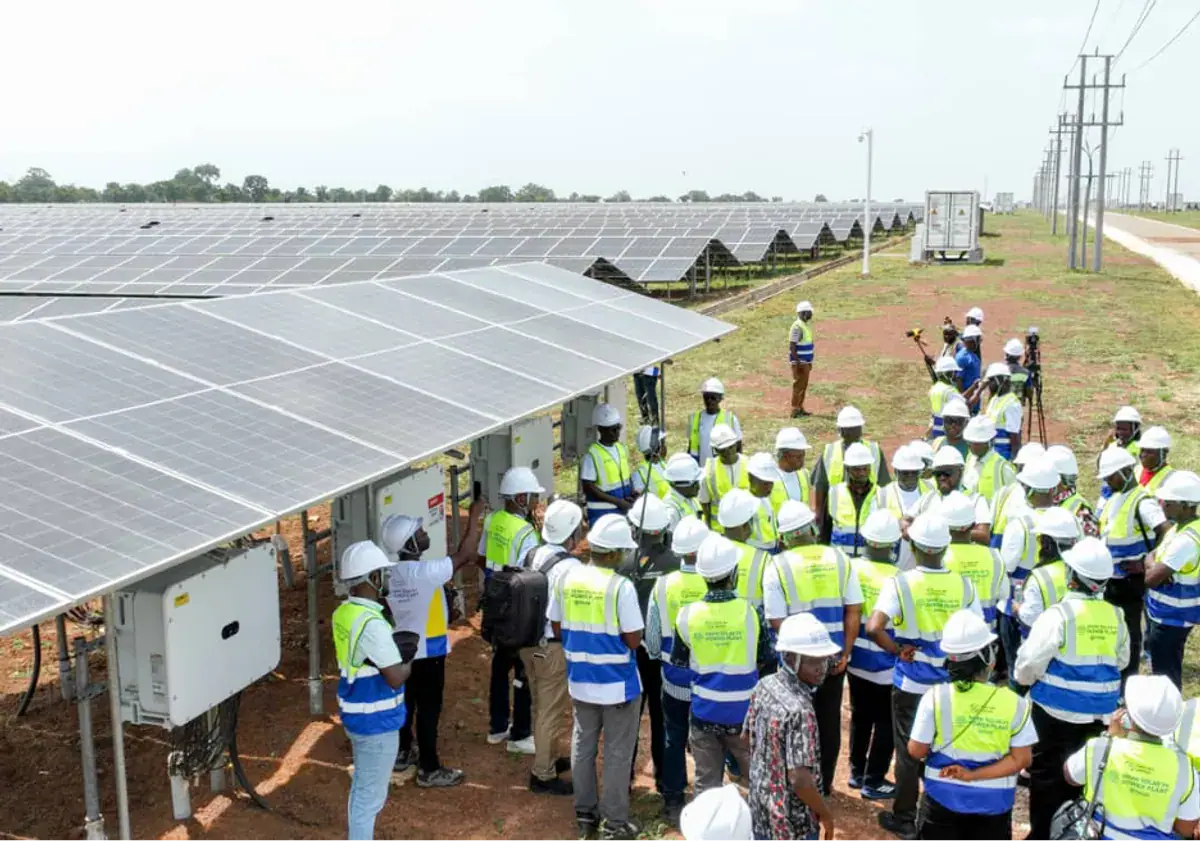
The Parliamentary Select Committee on Energy and Mines has commended First Sky Limited for completing a 50-megawatt peak (MWp) solar power plant at Galgu in the Yendi Municipality of the Northern Region. This project marks a significant milestone in Ghana's renewable energy sector. The solar plant is expected to contribute to the country's efforts to increase its energy generation capacity and reduce reliance on fossil fuels. The committee's commendation underscores the importance of this project in promoting sustainable energy solutions.
First Sky Limited, in partnership with BPA, has successfully completed the 50MW solar power plant. The project aims to provide clean energy to the region, reducing the area's reliance on diesel generators and promoting energy security. The solar plant's completion is a testament to the growing interest in renewable energy in Ghana. The project is also expected to create jobs and stimulate local economic growth. The involvement of BPA, a key player in the energy sector, highlights the potential for public-private partnerships in driving Ghana's green transition.
The solar power plant at Galgu is part of Ghana's broader strategy to diversify its energy mix and reduce greenhouse gas emissions. The country has set ambitious targets to increase its renewable energy capacity, and projects like this solar plant are crucial in achieving these goals. The plant's 50MW capacity will provide electricity to thousands of households and businesses, contributing to the country's efforts to improve energy access and reliability. This project also demonstrates the viability of solar energy as a viable alternative to traditional energy sources.
The completion of the solar plant has been welcomed by local communities, who are expected to benefit from the project. The plant's location in the Yendi Municipality of the Northern Region will help address energy deficits in the area. Residents and businesses in the region will have access to a reliable and clean source of energy, which is expected to improve their quality of life and support economic development. The project has also created opportunities for local employment and skills development during the construction phase.
Ghana's energy sector has been facing challenges in recent years, including high energy costs and limited access to electricity in some areas. The completion of the 50MW solar plant is a significant step towards addressing these challenges. The project demonstrates the potential for renewable energy to play a more prominent role in Ghana's energy mix. The government and private sector are working together to promote investments in the energy sector, with a focus on renewable energy sources.
The solar plant's completion is also expected to have a positive impact on Ghana's environment. The project will reduce the country's reliance on fossil fuels, which contribute to greenhouse gas emissions and climate change. By promoting clean energy, Ghana can reduce its carbon footprint and contribute to global efforts to combat climate change. The project serves as a model for other countries in the region, demonstrating the feasibility of large-scale renewable energy projects.
The 50MW solar plant at Galgu is a significant achievement for First Sky Limited and BPA, highlighting their commitment to promoting sustainable energy solutions in Ghana. The project's success demonstrates the potential for public-private partnerships in driving Ghana's green transition. As the country continues to pursue its renewable energy goals, projects like this solar plant will play a crucial role in shaping Ghana's energy future.
Key points
- First Sky Limited and BPA have completed a 50MW solar power plant in Ghana's Northern Region.
- The project aims to promote Ghana's green transition and reduce the country's reliance on fossil fuels.
- The solar plant's completion is expected to create jobs, stimulate local economic growth, and improve energy access in the region.