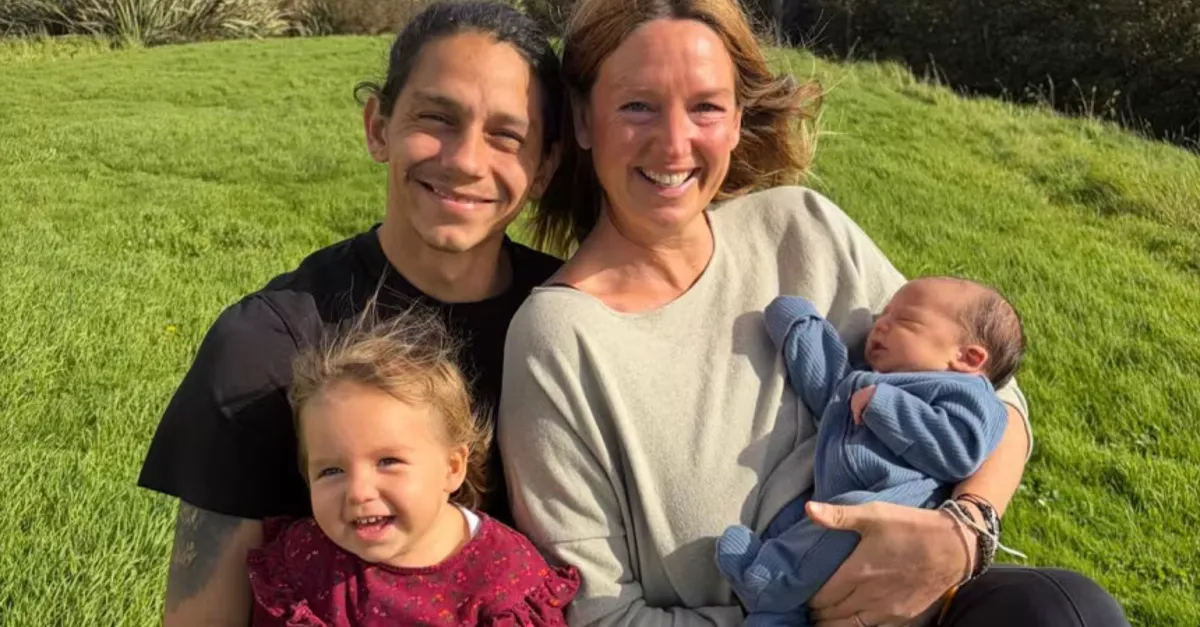
The baby boy, Duncan Wilder Thorsstein Trail Suarez Ford, was born on September 15 to Alice Trail Ford, who decided to give birth on the island despite initial plans to have the baby in Costa Rica. The island, located in the Orkney archipelago off the north coast of Scotland, has a small population of around 50 people. Alice Trail Ford said she felt a strong connection to the island, where she spent her childhood, and wanted to give her son a special and magical birth experience.
The island of North Ronaldsay is small, measuring just three miles long and two miles wide, and has limited healthcare services, with no hospital or resident doctor, only one nurse. This has led to a lack of births on the island in recent years, with women often opting to give birth on the mainland or in other countries with better medical facilities. The journey to the mainland takes around two hours and 40 minutes by boat, and while emergency helicopter services are available, non-emergency cases require patients to travel to Kirkwall.
Alice Trail Ford said she and her family had already booked return tickets to leave the island, but changed their plans due to her pregnancy. She described the island's community as like a "big family" where everyone knows each other, and said she felt a deep connection to the place. The birth was celebrated by the island's residents, who marked the occasion with small bottles of whisky and seashells, believed to bring good luck.
The birth has raised questions about the future of small communities on remote islands, where the availability of basic services such as healthcare, education, and employment opportunities can affect the decision of people to stay. The island's population has declined in recent years, from 72 people in 2024 to around 50 people, according to Alice Trail Ford. The birth of the baby boy has brought new life to the community and sparked hopes for the future.
The island's history and connection to Alice Trail Ford's family were also important factors in her decision to give birth there. She said the island had played a significant role in her upbringing and that she felt a strong sense of belonging there. The family's historic home, Holland House, was built by Alice's ancestors and provided a special and meaningful setting for the birth.
The remote location of the island and limited access to medical services can make it difficult for women to give birth there. However, Alice Trail Ford said she felt confident in the care provided by the island's nurse and the support of the community. The birth has highlighted the challenges faced by small communities on remote islands and the importance of basic services in sustaining these communities.
The birth of the baby boy has been welcomed by the island's residents, who see him as a new addition to their community. Alice Trail Ford said she was grateful for the support and celebration from the community, and that the birth had brought a sense of joy and renewal to the island. The event has also sparked reflection on the importance of community and connection to place in sustaining small communities on remote islands.
Key points
- The birth of a baby boy on a remote Scottish island, North Ronaldsay, has marked the first birth on the island in 34 years.
- The island has limited healthcare services, with no hospital or resident doctor, only one nurse.
- The birth has raised questions about the future of small communities on remote islands and the importance of basic services in sustaining these communities.