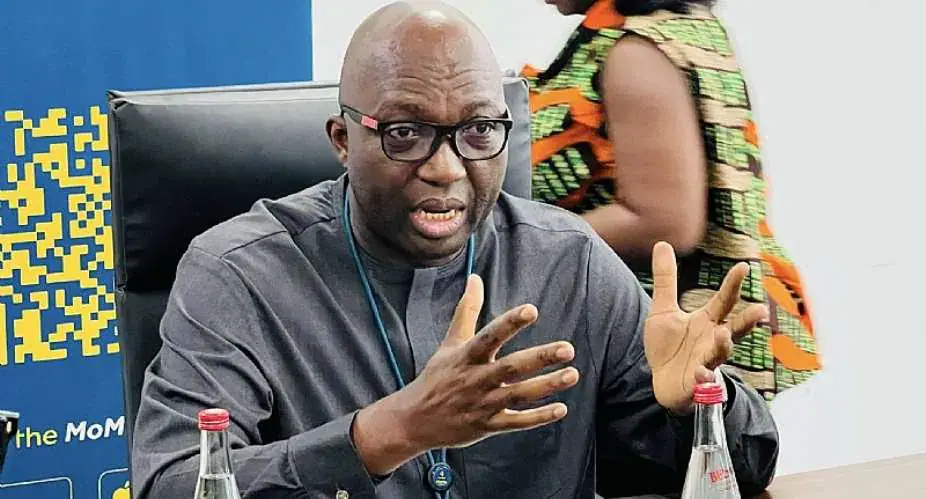
The Chief Executive Officer of MobileMoney Fintech Limited (MMFL), Mr Shaibu Haruna, has urged financial technology companies to focus on addressing the practical needs of businesses, particularly micro and small enterprises. Speaking at the Invest Ghana Summit 2026, Mr Haruna emphasized that Ghana had made significant progress in expanding access to financial services through digital platforms. However, several segments of the population remained excluded due to geographical, literacy and accessibility challenges.
Mr Haruna noted that the next phase of financial inclusion should prioritize access to capital, efficient business operations and access to markets. He observed that data showed approximately 70 per cent of peer-to-peer transactions were business-related, challenging the perception that such transactions were largely personal transfers. Many informal businesses relied on digital payment platforms to conduct their daily activities.
Fintech companies can use digital payment platforms to build structures that enable businesses to access additional financial services. Mr Haruna explained that many informal businesses relied on digital payment platforms to conduct their daily activities, adding that fintech companies could use those platforms to build structures that would enable businesses to access additional financial services. He emphasized that fintech companies must develop solutions that respond to the realities of informal businesses.
Strong customer identification systems, credit referencing and effective regulatory frameworks are essential foundations for sustainable growth in the financial sector. Mr Haruna identified these as crucial elements for sustainable growth. He noted that Ghana's national identification system, complemented by the telecommunications SIM registration framework, provided an opportunity to strengthen Know Your Customer (KYC) processes.
An effective credit referencing system would discourage loan defaults by ensuring that customers who failed to honour their financial obligations could not easily move from one lending institution to another to obtain further credit. Mr Haruna emphasized that this would promote responsible lending practices. He also cautioned against the assumption that increased access to digital platforms meant that all Ghanaians were adequately served.
Persistent challenges in rural communities, limited digital literacy, regional inequalities and difficulties persons with disabilities face in accessing digital financial services remain. Mr Haruna mentioned that there were deeper elements that needed to be solved from a customer access point of view. He cited emerging technologies, particularly Artificial Intelligence (AI), as offering opportunities to address some of those challenges.
Micro-enterprises require deliberate intervention in three critical areas: access to capital, improved operational processes and market opportunities. Mr Haruna urged stakeholders to pay greater attention to micro-enterprises, saying their needs went beyond access to digital payment platforms.
Key points
- Fintech companies must develop solutions that respond to the realities of informal businesses and help integrate them into the formal financial system.
Reporting sources
- Fintech must move beyond access to improve financial inclusion — MMFL CEO · The Ghanaian Times