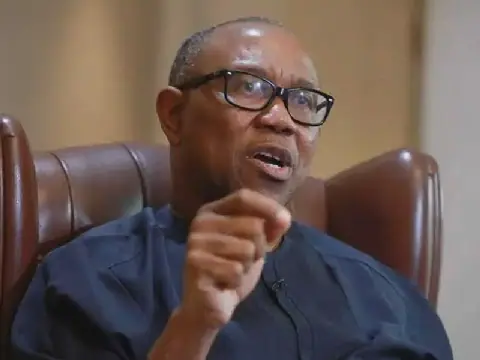
The journey to elective office in Kenya can be a costly affair, with aspiring politicians often spending large sums of money on campaigns, only to end up in debt. Ken Nyale, a professional from Kilifi County, is one such example. He spent over Sh2 million of his own savings on his 2017 senatorial campaign, only to finish second. Nyale's experience highlights the financial risks that come with vying for elective office in Kenya.
Nyale's story is not unique. Dr. Geoffrey Mutuma, a medical practitioner from Machakos County, also spent a substantial amount of money on his campaigns. In 2007, he spent up to Sh15 million on his parliamentary campaign, and in 2013, he spent up to Sh20 million on a second campaign. Mutuma's experience ultimately led him to establish his own clinic, and he has no immediate plans to return to elective politics.
The financial demands of electoral politics in Kenya extend beyond individual candidates. The Independent Electoral and Boundaries Commission (IEBC) has set regulatory limits on campaign spending, with the limit for a presidential candidate being approximately Sh6.112 billion. These limits vary according to factors such as county population and geographical coverage. For example, Nairobi County's campaign spending limit is Sh181 million, while Lamu County's is Sh28.6 million.
The cost of defeat is not only financial but also emotional. Counsellor Susan Gitau notes that losing an election can trigger grief, disappointment, and emotional distress, particularly among candidates who invest heavily and tie their hopes to the outcome. Gitau advises aspirants to prepare psychologically for both victory and defeat and warns that campaign debt can place additional pressure on candidates and their families.
Gitau recommends that aspirants engage mental health professionals before, during, and after campaigns. She also suggests that candidates avoid excessive spending on campaign posters and explore less costly platforms such as social media. According to Gitau, aspirants should not let their politics become too personal and should instead focus on engaging with their community from the grassroots level.
Despite the financial strains, some aspiring politicians, like Nyale, continue to pursue elective office. Nyale, who has run for office twice, has not ruled out contesting again, this time hoping to secure the United Democratic Alliance (UDA) ticket. His experience, along with that of Mutuma, raises a broader question: how many capable people are discouraged from seeking office because they cannot afford to lose?
The stories of Nyale and Mutuma highlight the challenges faced by aspiring politicians in Kenya. While some, like Nyale, continue to pursue elective office, others, like Mutuma, have been deterred by the financial risks. As Kenya prepares for future elections, it remains to be seen how the financial strains of electoral politics will impact the country's political landscape.
Key points
- Aspiring politicians in Kenya face significant financial risks when vying for elective office.
- The cost of defeat is not only financial but also emotional, with some candidates experiencing grief, disappointment, and emotional distress.
- The financial demands of electoral politics extend beyond individual candidates, with regulatory limits on campaign spending in place to guide how candidates finance and conduct campaigns.