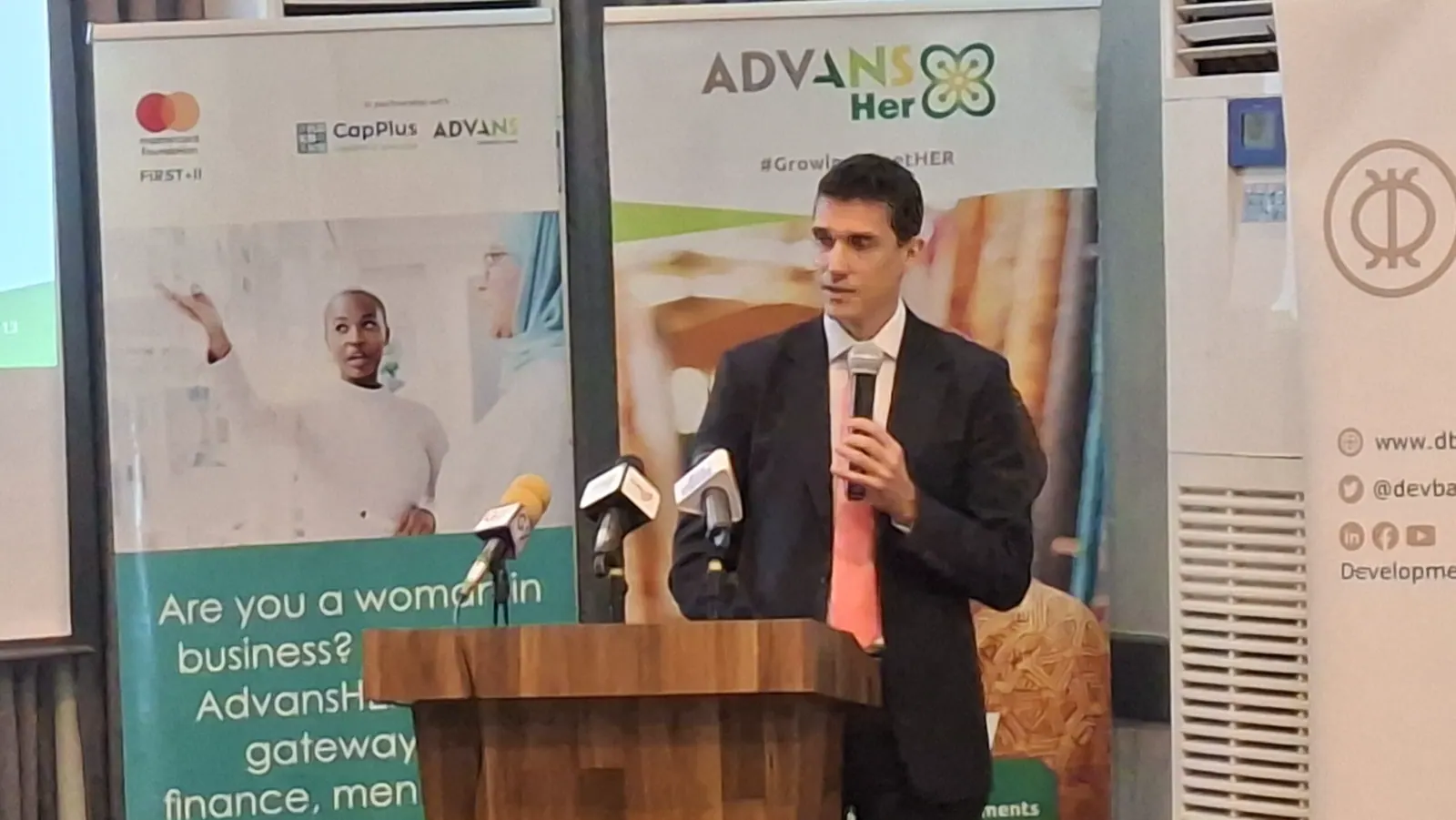
Major lending requirements imposed by financial institutions in Ghana are preventing women-owned businesses from accessing the financing needed to expand their operations. According to Mr. Guillaume Valence, Managing Director of Advans Ghana, conditions such as collateral requirements, spousal consent, and signature validation create significant barriers for women entrepreneurs seeking credit. These requirements make it difficult for women-owned businesses to access loans, despite their strong financial management skills and creditworthiness.
Data from the Bank of Ghana's Collateral Registry shows that although female borrowers and women-owned businesses accounted for 82.8% of all secured credit transactions in the second quarter of 2026, they received only GHS3.1 billion in secured credit, compared to GHS19.4 billion advanced to male borrowers and male-owned businesses. This disparity highlights the challenges women-owned businesses face in accessing financing, despite their significant participation in secured credit transactions.
The launch of Mmaa Mpuntuo, a de-risked financing programme for women-owned businesses, aims to address these challenges. Supported by Development Bank Ghana (DBG), the initiative provides affordable financing to women-owned businesses at reduced interest rates, flexible collateral requirements, mentorship, and business advisory services. This programme seeks to bridge the financing gap and support the growth of women-owned businesses in Ghana.
Mr. Valence noted that some financial institutions require women entrepreneurs to involve their spouses in loan agreements, while others demand collateral and extensive documentation before approving credit facilities. He questioned how women-owned businesses could access financing under such requirements, emphasizing the need for more inclusive lending practices. Women entrepreneurs often face persistent gender-based inequalities in accessing finance.
Despite these challenges, women account for 61% of Advans Ghana's loan portfolio, reflecting their growing participation in the formal financial sector. However, women-owned enterprises remain the smallest clients in terms of both loan size and business scale. Mr. Valence highlighted that refusing or declining a loan application due to inadequate collateral is not only regrettable but also a business mistake, as women repay loans better and manage their finances more effectively.
Mr. Michael Mensah-Baah, Deputy Chief Executive Officer of Development Bank Ghana, stated that the Mmaa Mpuntuo programme aligns with the bank's mandate to promote inclusive access to finance and support underserved women-owned businesses. DBG has already disbursed GHS1.4 billion to support over 600 women-owned businesses across the country and will support the Advans Ghana Mmaa Mpuntuo initiative with GHS20 million.
The Mmaa Mpuntuo programme aims to improve access to capital for women entrepreneurs, strengthen their businesses, and contribute to job creation and economic growth. The bank will regularly monitor the programme's progress and impact, ensuring that it achieves its objectives and provides sustainable support to women-owned businesses. By addressing the financing challenges faced by women-owned businesses, the programme can help promote economic growth and reduce gender-based inequalities in Ghana.
Key points
- Women-owned businesses in Ghana face significant barriers in accessing loans due to financial institutions' strict lending requirements.
- The Mmaa Mpuntuo programme aims to provide affordable financing to women-owned businesses at reduced interest rates and flexible collateral requirements.
- Despite accounting for 82.8% of secured credit transactions, women-owned businesses received only GHS3.1 billion in secured credit, compared to GHS19.4 billion advanced to male borrowers and male-owned businesses.