According to a study by the Tunisian Financial Inclusion Observatory (OIF), in collaboration with the United Nations Development Programme (PNUD), the financial inclusion rate of women in seven governorates remains relatively low. The governorates in question are Tataouine, Kébili, Médenine, Gabès, Tozeur, Gafsa, and Kairouan. The study, which surveyed 2,057 young people and women, found that only 18% of women in these governorates use banking services.
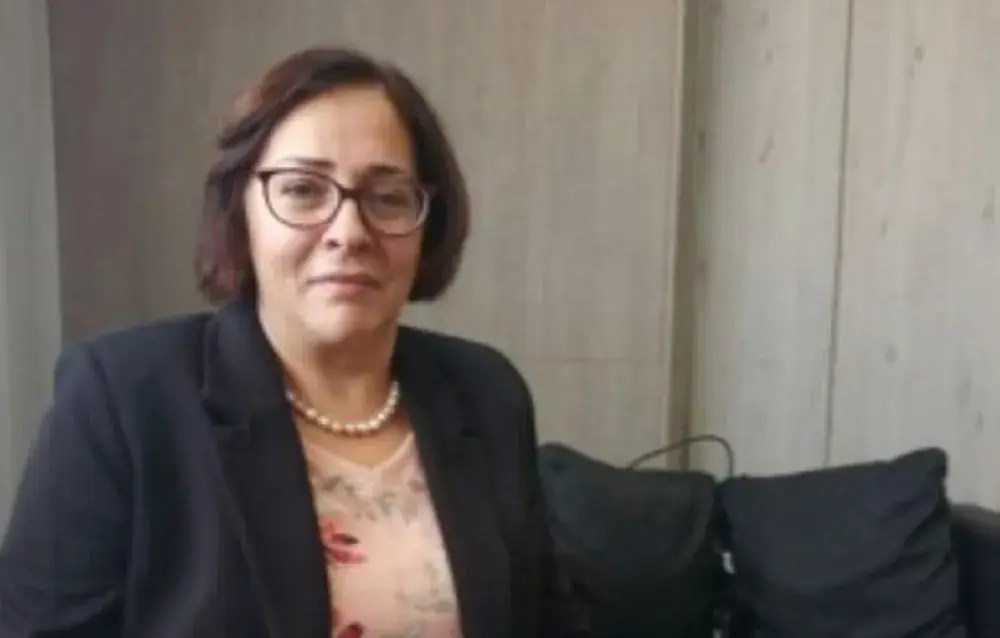
The study also revealed that 98% of women use cash for transactions, while only 0.3% have an electronic wallet, indicating a low uptake of digital financial services. Raja Dahman, Director-General of the OIF, stated that the study aimed to assess the financial inclusion of women and young people and identify obstacles to their access to financial services. The study covered seven governorates in central and southern Tunisia.
The study identified several obstacles to women's access to financial services, including their financial dependence on the head of the family, low financial autonomy, and a lack of trust in the banking sector. Insufficient income also constitutes a barrier to opening bank accounts and acquiring financial autonomy. Many women, particularly those with low levels of education, perceive financial services as complex and poorly adapted to their needs.
The study found that 32% of women believe that financial institutions do not provide sufficient information about their products and services, preferring to present them on social media. The study also revealed that the Tunisian Post enjoys the highest level of trust among women, followed by commercial banks and insurance companies. These findings highlight the importance of considering citizens' trust in financial institutions when developing information and awareness programs.
The OIF has launched a financial awareness caravan in collaboration with the German International Cooperation Agency (GIZ) and the PNUD to implement a communication and awareness strategy for women. The caravan has already visited the governorates of Médenine, Kébili, and Gabès and will continue its activities in Gafsa, Tataouine, Tozeur, and Kairouan. The initiative targets women entrepreneurs and project leaders to raise awareness about the importance of financial inclusion.
The OIF was established under Law No. 35 of 2016 amending the organic law relating to the Central Bank of Tunisia (BCT). The OIF monitors the quality of services provided by financial sector operators and collects data on access to financial services. The OIF also plays a consultative role in the financial sector and government structures involved in financial inclusion.
Since its creation in 2016, the OIF has developed its institutional framework and governance system, including a board of directors, a scientific council, and a general management team. The OIF has conducted a national survey on financial inclusion in Tunisia, highlighting a low level of financial literacy. The survey's findings led to the development of a national financial inclusion strategy and a national financial education program.
Key points
- Low financial inclusion rates for women in seven Tunisian governorates.
- Obstacles to women's access to financial services include limited access to banking services and low financial autonomy.
- The Tunisian Financial Inclusion Observatory has launched a financial awareness caravan to promote financial inclusion among women.