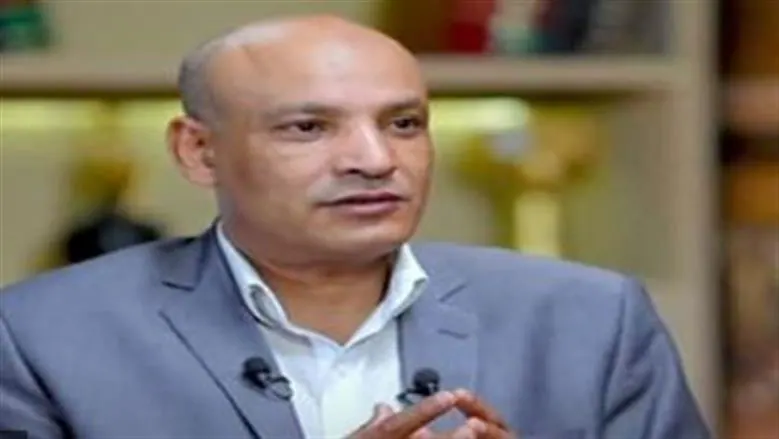
Egyptian researcher Maher Ferghli has shed light on the intricate mechanisms of funding and influence within the media apparatus associated with the Muslim Brotherhood. According to Ferghli, funding is not merely a means to sustain media platforms but can also evolve into a tool to shape content and media policy. This assertion underscores the complex interplay between financial backing and narrative control within the Brotherhood's media networks.
Ferghli noted that Abdel Rahman Abu Diyya, also known as "Abu Amer," is no longer solely responsible for managing this aspect. Instead, his son, Amer Abu Diyya, has taken on a significant role in this domain. Amer Abu Diyya is reportedly linked to the financing of the Brotherhood's media efforts, with funds being allocated to various channels, including international media and platforms targeting the Egyptian audience.
The nature of this funding grants the financiers considerable influence over the content direction. As Ferghli pointed out, "He who owns the money owns the influence." This influence can extend to setting priorities, selecting topics, and adjusting the level of attention given to specific issues. It also encompasses determining which issues are presented on media platforms and how they are covered.
Ferghli highlighted that Egypt holds a pivotal position in this context, being considered the "grand prize" due to its significant regional influence. He suggested a connection between the Brotherhood's activities and certain foreign intelligence circles, particularly in relation to Egypt. This geopolitical dimension adds complexity to the Brotherhood's media strategies and their financing.
The researcher also touched upon the role of British intelligence in utilizing the Muslim Brotherhood for its purposes. According to him, Amer Abu Diyya represents one of the tools associated with this role. Ferghli emphasized that control over content is not confined to a single individual but involves a network of assistants who help in executing these tasks, from message formulation to dissemination across various platforms.
Understanding the Brotherhood's media discourse, Ferghli argued, requires looking beyond the published content to examine the sources of funding, the circles that set message priorities, and the individuals who convert these priorities into media materials. This approach can provide a deeper insight into the dynamics of media narrative control within the Brotherhood's ecosystem.
Ferghli's revelations underscore the intricate relationship between financial control and media narrative within the Muslim Brotherhood. The dynamics of funding and influence not only shape the content but also determine the direction of media messages. As the Brotherhood continues to operate, understanding these mechanisms becomes crucial for grasping the broader implications of their media strategies.
Key points
- Financial control significantly influences the media narrative within the Muslim Brotherhood.
- The role of key figures, such as Amer Abu Diyya, is crucial in managing the Brotherhood's media and financial aspects.
- Egypt's strategic importance makes it a focal point for the Brotherhood's media efforts and foreign intelligence interests.