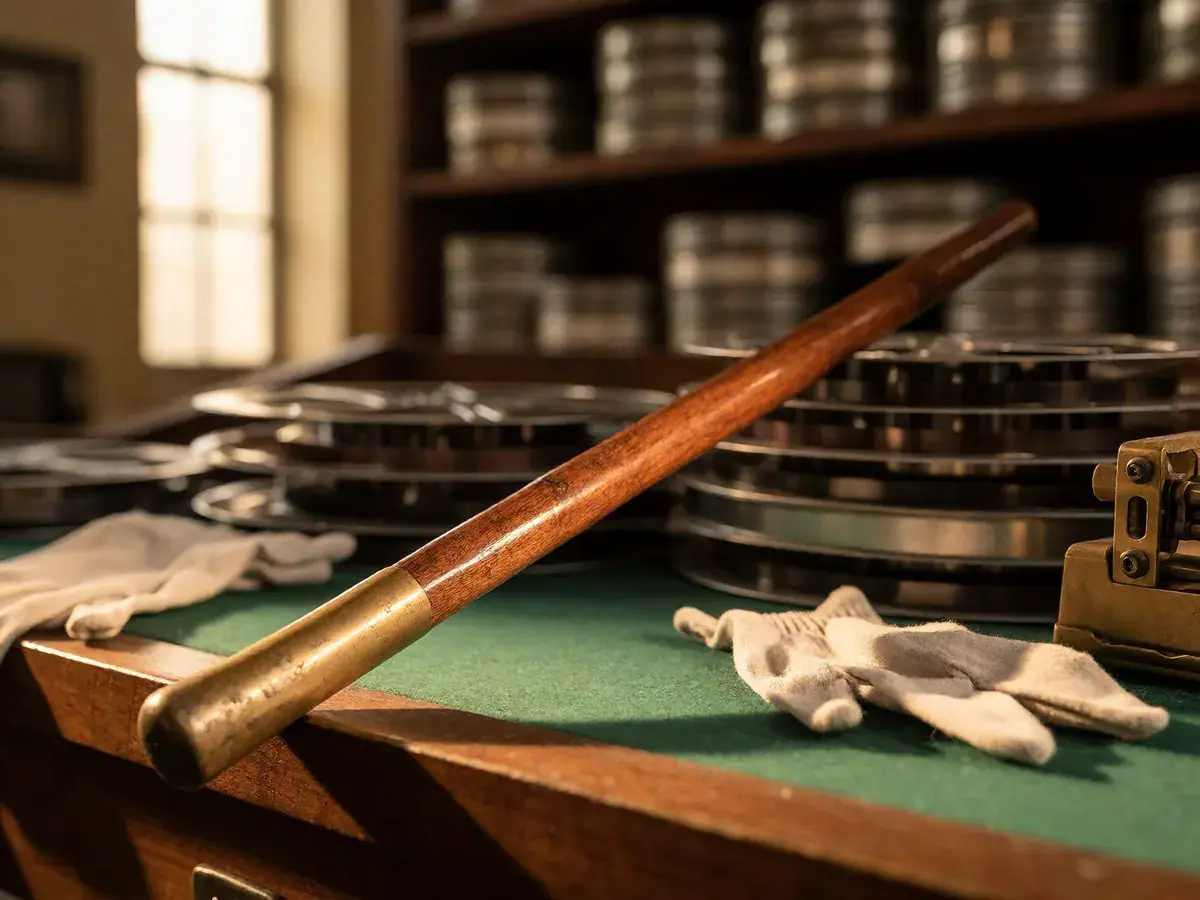
A 94-year-old veteran filmmaker, Rev. Dr. Chris Tsui Hesse, has revealed a secret signaling system used by Ghana's first President, Dr. Kwame Nkrumah. This system involved a walking stick that served as a tool for silent direction during official engagements. According to Hesse, Nkrumah used the stick to communicate without verbal instructions, allowing him to control what the camera captured during sensitive political activities or official events.
Hesse, who served as Nkrumah's personal cameraman during the 1950s and 1960s, recorded presidential activities and movements within the African liberation struggle. Nkrumah placed significant responsibility on Hesse, entrusting him to tell the story of Ghana's independence era. This trust gave Hesse a unique position to document defining moments of Ghana's independence era. The filmmaker's experiences and insights are featured in the documentary "The Eyes of Ghana," directed by Ben Proudfoot.
The documentary focuses on Hesse's career and his urgent mission to recover and repatriate more than 1,000 reels of archival film. These reels provide a visual account of the 1950s and 1960s, including the rise of independence movements and the struggle against colonial rule across Africa. The footage offers a rare perspective on the political changes that swept the continent during the mid-20th century.
Hesse faces a race against time due to his advancing age and declining eyesight as he tries to secure these recordings for future generations. The film examines the historical value of the images Hesse captured while working behind the camera. It also addresses the need to preserve Ghana's historical records and safeguard original footage as national heritage.
The archival footage documents the birth of African independence from a specific perspective that remained hidden for decades. Hesse's work provides a unique window into the past, offering insights into the country's struggle for independence and the role of Nkrumah in shaping Ghana's history. The filmmaker's efforts to repatriate the collection to Ghana are crucial in ensuring the preservation of the country's historical records.
The documentary "The Eyes of Ghana" sheds light on the significant contributions of Hesse and Nkrumah to Ghana's history. Through Hesse's story, the film highlights the importance of preserving historical records and the challenges of safeguarding national heritage. The documentary serves as a testament to the enduring legacy of Nkrumah and the impact of his leadership on Ghana's independence.
As Hesse works to complete the repatriation of the collection to Ghana, his efforts are met with a sense of urgency. With his advancing age and declining eyesight, the task becomes increasingly challenging. Nevertheless, Hesse remains committed to ensuring that these historical records are preserved for future generations, providing a lasting legacy of Ghana's independence era.
Key points
- The secret signaling system used by Nkrumah involved a walking stick that served as a tool for silent direction during official engagements.
- Hesse faces a race against time to recover and repatriate more than 1,000 reels of archival film due to his advancing age and declining eyesight.
- The documentary "The Eyes of Ghana" highlights the importance of preserving historical records and the challenges of safeguarding national heritage.
Reporting sources
- Filmmaker reveals secret signaling system used by Kwame Nkrumah · The Statesman Newspaper