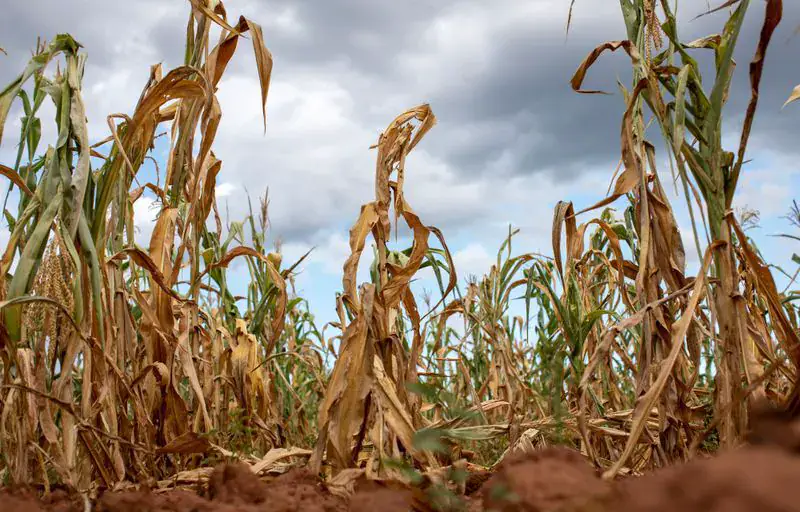
Fiji has declared a national state of disaster due to a severe drought caused by the El Nino climate pattern. The drought has led to widespread water shortages, prompting Prime Minister Sitiveni Rabuka to declare a state of disaster. This declaration allows the government to mobilize resources and coordinate assistance to affected areas. The drought has impacted daily life, with families concerned about water availability and farmers worried about crops and livestock.
The El Nino climate pattern is a natural phenomenon where surface temperatures in the central and eastern Pacific Ocean become unusually warm, leading to weather extremes worldwide. This can cause drought in some regions and flooding in others. Some scientists believe that global warming may increase the intensity of El Nino events. The US Climate Prediction Center reported that El Nino is strengthening, with a greater than 79% chance of a strong-to-very-strong event through January to March.
Fiji's national weather bureau, the Fiji Meteorological Service, warned in October that strong El Nino conditions persist across the tropical Pacific. The bureau forecasts below-normal rainfall from November through April, with daytime temperatures expected to exceed normal levels through January across most of the country. This has raised concerns about the availability of water and the effects of prolonged dry conditions on daily life.
Prime Minister Rabuka stated that families across Fiji are concerned about water availability and the impact of dry conditions on their daily lives. Farmers are worried about their crops and livestock, while communities in remote and maritime areas face growing pressure on their water supplies. The government has set aside 20 million Fiji dollars ($8.5 million) for the national response, redeployed from existing funds, to ensure emergency water supplies for families and farmers.
The state of disaster has been declared for one month, with the government able to extend or revoke it based on the advice of the National Disaster Risk Management Council. This declaration enables the government to scale up its response and coordinate assistance as conditions continue to worsen. The government aims to provide emergency water supplies to affected communities and support farmers and families impacted by the drought.
The drought in Fiji is part of a larger global climate trend, with Australia warning in June that El Nino could intensify in the second half of 2026 to become one of the strongest in seven decades. The South African Weather Service and meteorological infrastructure are also preparing for severe climate impacts and an impending "supersized" El Niño. This highlights the need for robust climate monitoring and disaster preparedness measures.
The declaration of a state of disaster in Fiji serves as a reminder of the severe impacts of climate change and the El Nino climate pattern. The government is taking steps to mitigate the effects of the drought, but the situation remains challenging. The international community is monitoring the situation, and further assistance may be provided to support Fiji's response efforts.
Key points
- Fiji declares national state of disaster due to severe drought caused by El Nino climate pattern.
- Government sets aside $8.5 million for emergency water supplies and response efforts.
- El Nino climate pattern is strengthening, with a high chance of a strong-to-very-strong event through January to March.
Reporting sources
- Fiji declares state of disaster amid El Nino-driven drought · Daily Maverick