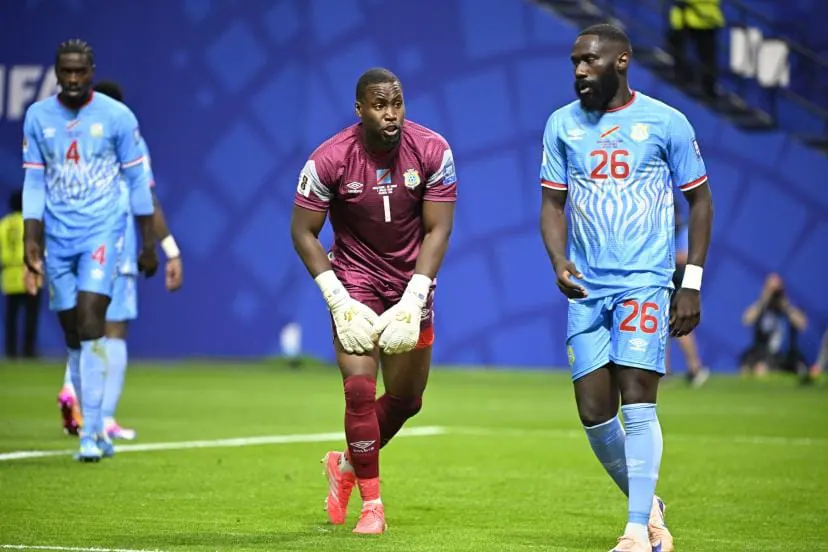
The 2026 World Cup may be over, but its aftermath has sparked a massive controversy. An investigation by Le Monde and The New York Times has revealed that the Democratic Republic of Congo (DRC) may not have been eligible to participate in the tournament. The probe centers around Lionel Mpasi, the DRC's goalkeeper, who allegedly played in qualifying matches without proper documentation. Mpasi, a former French youth international, had his sports nationality changed, but the process may not have been completed before he took to the field.
According to documents obtained by the investigation, the DRC's football federation may have made an administrative error in Mpasi's eligibility process. However, it is the FIFA's response to the issue that has raised eyebrows. The global football governing body reportedly identified the anomaly during the qualifying process, but chose not to take action. If FIFA had enforced its regulations, the DRC would have been disqualified, and Burkina Faso would have taken their place. The decision to overlook the issue has sparked allegations of a deliberate attempt to avoid controversy.
The investigation has reignited anger in Nigeria, which was eliminated by the DRC in the playoffs. The Nigerian football federation had filed a complaint with FIFA, citing alleged fraud in the eligibility of DRC players. However, FIFA dismissed the appeal on procedural grounds. The new revelations have created a sense of injustice in Ouagadougou, with Burkina Faso feeling that they were unfairly denied a chance to participate in the tournament.
The controversy has raised questions about the integrity of the World Cup. FIFA has long emphasized the importance of fair play and adherence to regulations. However, the handling of the DRC's qualification has led to accusations that the organization prioritized politics and relationships over sporting principles. The scandal has also damaged the reputation of FIFA President Gianni Infantino, who has faced criticism in the past.
The DRC's qualification for the World Cup was a historic moment for the country's football team, marking their first appearance in the tournament in 52 years. However, the team's success may now be tainted by the allegations of irregularities. Mpasi, who was hailed as a hero for his role in the team's qualification, has found himself at the center of the controversy.
The fallout from the investigation is likely to be significant. FIFA may face renewed calls for greater transparency and accountability in its decision-making processes. The organization's handling of the DRC's qualification has already sparked a backlash in some quarters, with critics arguing that it has undermined the credibility of the World Cup.
As the football world grapples with the implications of the scandal, one thing is clear: the integrity of the sport depends on the consistent application of its rules and regulations. Whether FIFA will take concrete steps to address the concerns raised by the investigation remains to be seen. For now, the controversy has cast a shadow over the 2026 World Cup, and the future of international football.
Key points
- FIFA's handling of DR Congo's World Cup qualification has raised questions about the organization's commitment to fair play and transparency.
- The controversy has sparked anger in Nigeria and Burkina Faso, which feel that they were unfairly denied a chance to participate in the tournament.
- The scandal has damaged the reputation of FIFA President Gianni Infantino and raised concerns about the integrity of the World Cup.