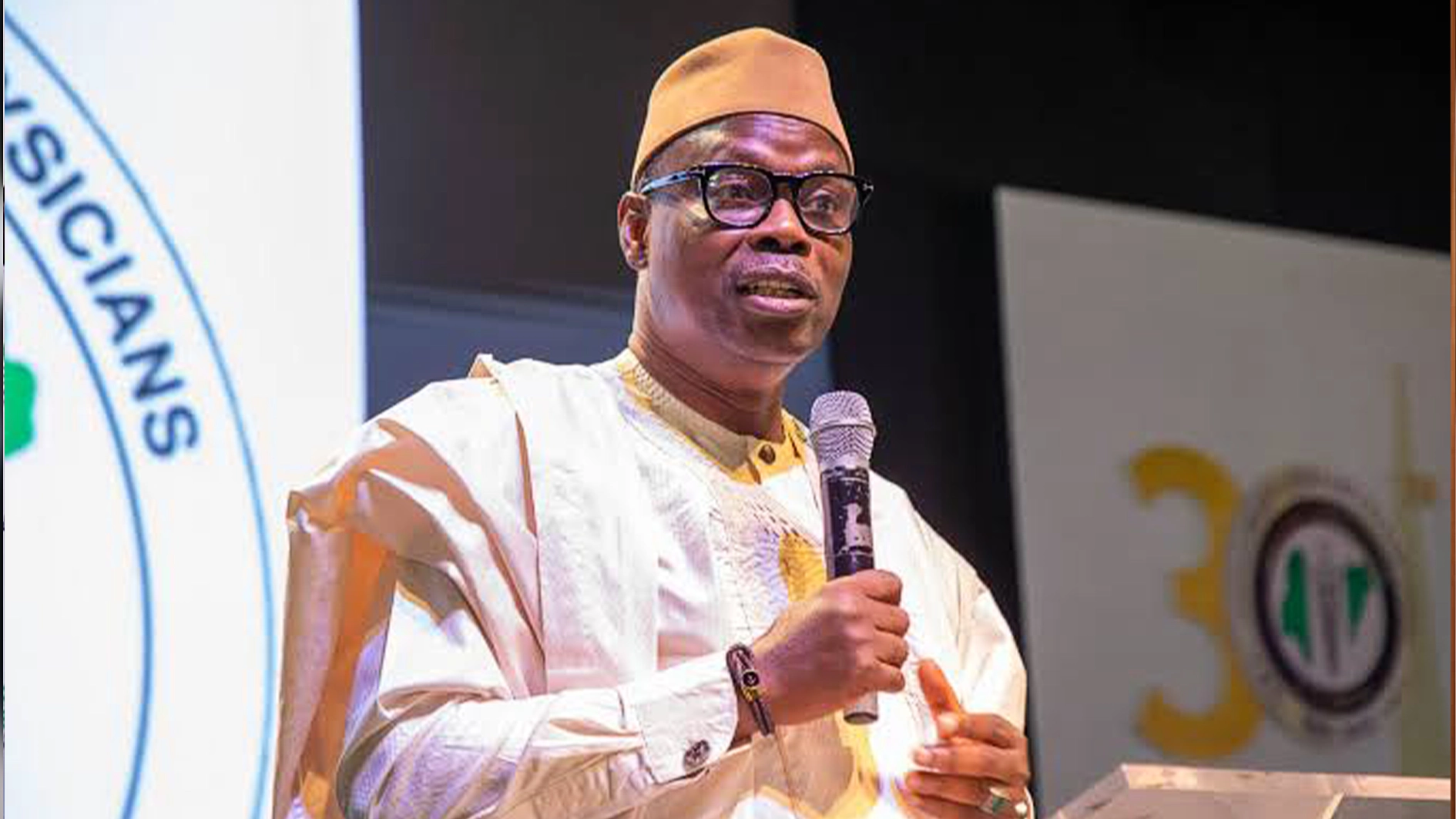
The Federal Government of Nigeria has called on private sector players to invest in eye health, warning that preventable and treatable vision loss is undermining the country's human capital, productivity, and economic development. According to the Minister of State for Health and Social Welfare, Dr. Adekunle Salako, an estimated 24 million Nigerians are living with vision loss, with many cases linked to preventable or treatable conditions.
The consequences of vision loss extend far beyond the health sector, affecting education, workplace productivity, household incomes, and Nigeria's broader economic prospects. Salako emphasized that a nation cannot achieve economic prosperity if it is walking blind, stressing that vision should be treated as a critical component of national development. He noted that poor vision in the banking sector could affect data entry, financial analysis, and productivity.
Salako painted a gloomy picture of Nigeria's eye-health burden, saying 24 million Nigerians continue to live with avoidable blindness or impaired vision despite simple interventions being available. He warned that children with untreated visual impairments risk falling behind in school, while adults may experience reduced productivity, premature retirement, or loss of earning capacity. Families can also be pushed into poverty when relatives have to leave employment or divert household resources to care for people living with avoidable blindness.
Nigeria has for decades depended substantially on donor agencies and overseas development assistance to fund eye-health interventions. However, with changing global priorities and declining external funding, Nigeria needs to develop a more sustainable domestic financing model. Salako urged the private sector to work with the government to mobilize domestic capital for eye-health infrastructure, workforce development, technology, medicines, and community-based services.
Salako cited the partnership between First City Monument Bank (FCMB) and the Tulsi Chanrai Foundation as an example of what sustained private-sector intervention can achieve. The partnership, which began in 2009, had provided free eye care to over 400,000 Nigerians by July 2024. Salako challenged companies to replicate similar interventions across banking, manufacturing, telecommunications, energy, and other sectors.
Among the mechanisms proposed were social-impact bonds, blended finance, co-financing arrangements, concessionary loans, social-impact funds, and low-interest health infrastructure financing. Salako also called for sustainable equipment-leasing arrangements that would allow public and private hospitals to acquire sophisticated diagnostic and surgical equipment without bearing prohibitive upfront costs.
The minister also urged businesses to channel their corporate social responsibility budgets into structured, high-impact national programs rather than fragmented medical outreaches. He appealed to energy companies to devote a structured portion of their community-development and CSR budgets to permanent eye-health services, supporting community-based eye-care centers integrated into existing Primary Healthcare networks.
Key points
- 24 million Nigerians are living with vision loss
- Nigeria's government is seeking private sector investment in eye health
- Preventable and treatable vision loss is undermining Nigeria's human capital, productivity, and economic development