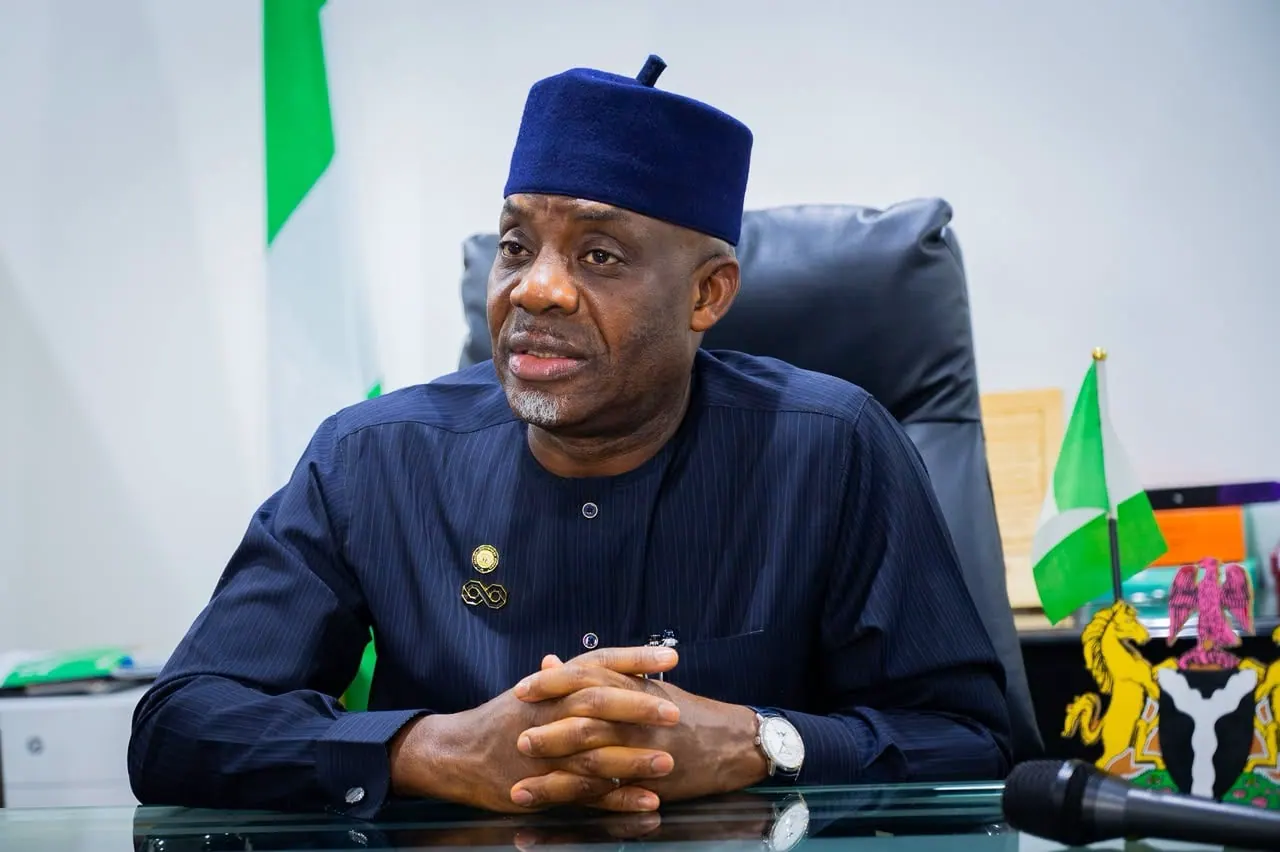
The Federal Government has taken a significant step towards improving workers' welfare and ensuring stability in Nigeria's tertiary education system by unveiling agreements with staff unions. Minister of Education, Dr. Olatunji Alausa, made the announcement in Abuja, emphasizing the importance of dialogue and avoiding industrial actions that could disrupt academic activities. The agreements cover various allowances, including the Consolidated Academic Tools Allowance and the Consolidated Non-Teaching Tools Allowance.
The agreements involve several unions, including the Senior Staff Association of Nigerian Universities, the Non-Academic Staff Union of Educational and Associated Institutions, and the Nigerian Association of Academic Technologists. These unions represent academic and non-academic staff across universities, polytechnics, and colleges of education. The allowances take effect from January 1, 2026, in accordance with the agreements and applicable implementation guidelines.
Dr. Alausa acknowledged that previous agreements between the government and staff unions had suffered delays and incomplete implementation, resulting in recurring disputes and prolonged strikes. He emphasized that the current agreements reflect President Bola Tinubu's commitment to ensuring that students complete their programs within the stipulated timeframe. The minister assured the unions that the Federal Government would honour its obligations under the agreements.
To ensure successful implementation, the Federal Government has decided to expand the existing Implementation and Monitoring Committee into a single committee responsible for monitoring agreements with academic and non-academic staff unions. This committee will include representatives of the relevant unions and stakeholders to monitor progress, address challenges, and ensure accountability. The minister urged government agencies and institutional management to comply with the implementation guidelines.
The Chairman of the Federal Government Tertiary Institutions Expanded Negotiation Committee, Yayale Ahmed, urged the unions to reciprocate the government's commitment by allowing the implementation process to proceed without threats of industrial action. He described the agreements as the beginning of another phase of engagement, noting that their success would depend on the willingness of both parties to fulfil their obligations.
The National President of SSANU, Muhammed Ibrahim, commended the Federal Government for progress in addressing workers' demands, saying recent payments had renewed optimism among university employees. He, however, urged the Ministry of Education to ensure that unions whose agreements were yet to be formally processed received the necessary documentation without further delay.
The agreements have been described as a significant departure from previous approaches to resolving disputes. The National President of COEASU, Comrade Lawal Bazza, welcomed the development, while Dr. Alausa commended the unions for their participation in the negotiations and acknowledged the contributions of government officials and the Federal Government Tertiary Institutions Expanded Negotiation Committee.
Key points
- The Federal Government has unveiled agreements with staff unions in tertiary institutions, covering various allowances and taking effect from January 1, 2026.
- The agreements aim to improve workers' welfare, restore trust between the government and unions, and ensure stability in Nigeria's tertiary education system.
- The Federal Government has expanded the Implementation and Monitoring Committee to monitor agreements with academic and non-academic staff unions across tertiary institutions.