The Nigerian government and the United Nations High Commissioner for Refugees (UNHCR) are seeking $10 billion in private investment to rebuild economies and create sustainable livelihoods in communities affected by displacement and fragility. This initiative, under the Leadership Alliance for Enterprise, Acceleration and Prosperity (LEAP), aims to move beyond humanitarian assistance by attracting private capital into communities with insecurity, poor infrastructure, and disrupted economic activity.
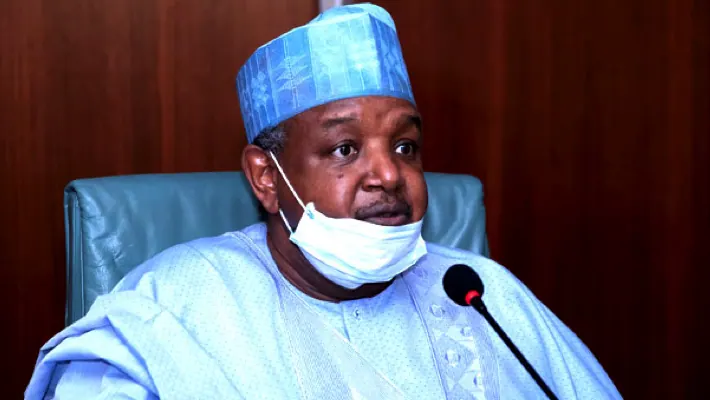
Minister of Budget and Economic Planning, Senator Abubakar Atiku Bagudu, disclosed the initiative during a meeting with UNHCR Representative in Nigeria, Mr. Arjun Jain. The proposed investment drive spans five years and seeks to address the economic consequences of displacement. Bagudu emphasized that sustainable reintegration depends on restoring livelihoods and creating viable opportunities for productive enterprise.
Over 3.7 million internally displaced people and 140,000 refugees, asylum-seekers are in Nigeria, according to the UN agency. Bagudu noted that displacement disrupts economic activities, causing people to abandon farms, fishing grounds, livestock, and other sources of livelihood. He stressed that economic reconstruction is critical to rehabilitation and aligns with the federal government's objective of building a more productive and inclusive economy.
The minister reaffirmed Nigeria's commitment to deepening economic and industrial cooperation with Germany. He stated that the goal is to translate the longstanding relationship into concrete investment, technology, and industrial partnerships that support Nigeria's productive capacity, competitiveness, and sustainable economic transformation.
Under the proposed arrangement, the government will work with UNHCR, private investors, development finance institutions, and other development partners to identify commercially viable projects. The government will address risks that have traditionally discouraged investment in fragile communities. Bagudu noted that it is legitimate for the government to deploy public resources to de-risk private investment, particularly where security and infrastructure deficiencies are preventing businesses from entering communities.
The minister identified security support and access to infrastructure as key factors in attracting private investment. He emphasized that the $1 trillion economy Nigeria aspires to build must be inclusive and create opportunities across communities. The proposed intervention aims to create sustainable livelihoods and stimulate economic growth in displacement zones.
The collaboration between the government and UNHCR aims to create a model for sustainable development in fragile communities. By leveraging private investment, the initiative seeks to promote economic stability and reduce the humanitarian burden on affected communities. The success of this initiative could have far-reaching implications for Nigeria's economic development and humanitarian response.
Key points
- The Nigerian government and UNHCR are seeking $10 billion in private investment to rebuild economies in displacement zones.
- The initiative aims to create sustainable livelihoods and stimulate economic growth in communities affected by displacement and fragility.
- The government will work with UNHCR, private investors, and development partners to identify commercially viable projects and address risks that have discouraged investment in fragile communities.