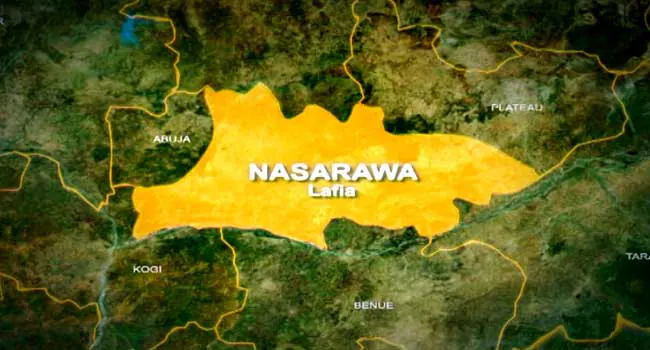
The Federal Ministry of Livestock Development has started training 62 multi-sectoral officers on Highly Pathogenic Avian Influenza (HPAI) surveillance in wildlife and wetlands. The 6-day training, which began in Akwanga, Nasarawa state, aims to equip officers with the skills to detect, report, and respond to HPAI threats effectively. The programme is a collaboration with the Federal Ministry of Environment, the Nigeria Centre for Disease Control and Prevention, and Strengthening Infectious Disease Detection System (STRIDES).
The training's theme, "Strengthening Wildlife Disease Surveillance For Early Detection of HPAI," highlights the importance of addressing HPAI threats to Nigeria's animal health, food security, and public health priorities. According to Dr. Alao Mitchell, National Programme Coordinator, Avian Influenza Control Programme, HPAI remains a significant threat to poultry production, livelihoods, trade, biodiversity, and public health. Wild birds and wetlands play crucial roles in the ecology and transmission of avian influenza viruses.
The training seeks to strengthen the knowledge and practical capacity of multi-sectoral officers to detect and respond to HPAI threats at the wildlife-livestock-human interface. It also aims to promote coordination, information-sharing, and collaboration among relevant institutions responsible for wildlife, animal health, environmental, and public health. This partnership supports the Federal Government's efforts to strengthen the national animal health system and promote effective multi-sectoral collaboration under the One Health approach.
The Renewed Hope Agenda of President Bola Ahmed Tinubu emphasizes food security, economic growth, livelihood protection, and resilient productive sectors. The Nigeria Livestock Growth Acceleration Strategy (NLGAS) provides a framework for strengthening the livestock sector and accelerating its contribution to national development and sustainable livestock development. Effective HPAI surveillance is critical to achieving these goals, and the training will enhance the officers' ability to detect and respond to HPAI threats.
Dr. Samuel Anzaku, Chief Veterinary Officer of Nigeria, represented by Dr. Alao Mitchell, stressed that effective HPAI surveillance goes beyond sample collection. It requires early recognition of unusual illness or mortality, accurate documentation, timely reporting, appropriate investigation, safe sample collection, and laboratory confirmation. He encouraged participants to use the training to strengthen their practical knowledge, clarify institutional responsibilities, and establish professional networks.
Dr. Philip Igawe, Infectious Disease Surveillance Adviser at STRIDE-Nigeria, commended the federal government for its efforts to eradicate animal and other diseases in the country. He recognized the critical importance of effective disease surveillance as a cornerstone of animal health, food security, public health, and national economic development. The training is expected to enhance Nigeria's ability to detect and respond to HPAI threats.
The Federal Ministry of Livestock Development has reaffirmed its commitment to strengthening Nigeria's animal health system through improved surveillance, preparedness, laboratory capacity, disease prevention, and response. The ministry's efforts aim to promote effective multi-sectoral collaboration and coordination to address HPAI threats and other animal health challenges in the country.
Key points
- The training aims to strengthen the knowledge and practical capacity of multi-sectoral officers to detect, report, and respond effectively to HPAI threats at the wildlife-livestock-human interface.
- The programme is a collaboration with the Federal Ministry of Environment, the Nigeria Centre for Disease Control and Prevention, and Strengthening Infectious Disease Detection System (STRIDES).
- The training's theme highlights the importance of addressing HPAI threats to Nigeria's animal health, food security, and public health priorities.