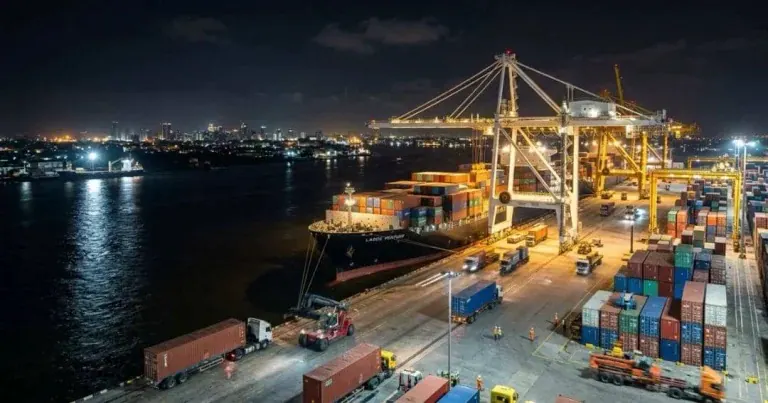
The Nigerian federal government has approved a comprehensive modernization and upgrade of four major ports outside Lagos. The ports to be upgraded are Onne, Rivers, Delta, and Calabar. This move aims to expand Nigeria's maritime capacity and reduce pressure on the country's busiest ports, which are located in Lagos. The Minister of Marine and Blue Economy, Adegboyega Oyetola, made this disclosure on Sunday.
The upgrade of these ports is part of a broader plan to expand Nigeria's maritime infrastructure. The government had previously approved the modernization of the Apapa and Tin Can Island ports in Lagos. This brings more of the country's major existing ports into the government's port renewal program. According to Oyetola, the latest approvals aim to create a more balanced port system, improve the movement of goods, and strengthen Nigeria's position as a regional trade and logistics hub.
The Minister emphasized that modern ports are critical to lowering the cost of doing business, attracting investment, and creating jobs. Upgrading ports outside Lagos will help spread cargo traffic across the country, rather than leaving Lagos to handle a disproportionate share of international trade. Improved facilities at the four ports will boost cargo handling, shorten the time ships spend at the ports, and make the movement of goods more reliable.
Oyetola highlighted the strategic roles that these ports will play in Nigeria's trade, industrial, and regional development. The government is determined to equip them to meet the demands of a growing economy. The port upgrade program is part of a comprehensive plan to expand Nigeria's maritime infrastructure. The government has also approved the development of several deep seaports, including the Ibom Deep Seaport in Akwa Ibom and the Bonny Deep Seaport in Rivers State.
The development of new deep seaports alongside upgrading existing ones will give Nigeria more capacity to handle rising cargo volumes and open up new economic corridors. Oyetola explained that the government's approach is comprehensive, modernizing existing ports while facilitating the development of new deep seaports. This integrated system will reduce delays and transportation costs for businesses while making Nigerian ports more attractive to international shipping and logistics companies.
The Minister outlined the government's long-term plan to create a connected transport network where seaports work efficiently with roads, railways, and inland waterways to move cargo across the country. This will make Nigerian ports more attractive to international shipping and logistics companies. Oyetola added that the ministry will work with state governments, port operators, investors, shipping companies, and other stakeholders to ensure that the projects produce measurable improvements in the maritime sector.
Oyetola emphasized that Nigeria has the market, location, and maritime resources to become a major maritime hub in Africa. The government's responsibility is to provide the infrastructure and policies needed to turn this potential into economic value. The upgrade of these ports and the development of new deep seaports will help achieve this goal, creating an environment that encourages investment and supports job creation.
Key points
- The Nigerian federal government has approved the upgrade of four major ports outside Lagos to expand maritime capacity and reduce pressure on the country's busiest ports.
- The upgrade aims to create a more balanced port system, improve the movement of goods, and strengthen Nigeria's position as a regional trade and logistics hub.
- The government has also approved the development of several deep seaports to give Nigeria more capacity to handle rising cargo volumes and open up new economic corridors.