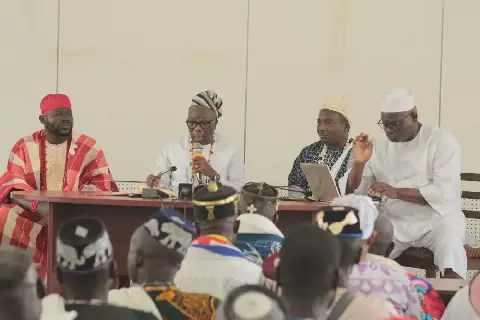
The Federal Government of Nigeria has initiated another phase of its National Poverty Reduction with Growth Strategy (NPRDS) training and empowerment programme in Oyo State. This programme aims to train five million Nigerians in skills acquisition, entrepreneurship, and technology-driven opportunities over the next four years. The initiative was launched in Ibadan, marking its expansion from the Federal Capital Territory to other states.
Senior Special Assistant to the President on Technical, Vocational and Entrepreneurship Education (TVEE), Dr Abiola Arogundade, spoke at the commencement of the programme. She stated that the initiative is designed not only to train beneficiaries but also to connect them with opportunities capable of generating sustainable incomes. The programme is part of the Federal Government's broader strategy to tackle poverty by equipping Nigerians with practical and marketable skills.
The current intervention in Oyo State involves 200 people undergoing training, with 500 devices being provided, bringing the number of people directly empowered to 700. According to Arogundade, the impact is expected to extend beyond the direct beneficiaries through a multiplier effect, with participants encouraged to transfer the knowledge acquired to others in their communities. The 10-day training, which began on September 26, 2026, is scheduled to end on October 9, 2026.
Dr Arogundade urged beneficiaries to take the sessions seriously and continue upgrading their skills after the programme. She encouraged them to see themselves as potential agents of change rather than recipients of one-off government intervention. Beneficiaries were also encouraged to train their neighbours and community people, and to continue to impact and learn more.
The programme features training in artificial intelligence, with Oluronke Shonubi, principal consultant of P4 Change Consultants and keynote speaker, stressing the growing importance of AI skills in the global economy. Shonubi said the increasing deployment of AI in various sectors underscores the need for Nigeria to equip its young population with relevant digital skills. She urged beneficiaries to apply the knowledge gained to their careers and explore opportunities for entrepreneurship and employment.
One of the beneficiaries, Olaleye Idowu, a graphic designer and 400-level International Relations student of the Federal University Oye-Ekiti, said the training would enable him to improve his services and transition into the technology sector. Idowu's ambition is to become a professional AI prompt engineer within five years and subsequently train and employ others. The intervention also includes vocational training, with 85 participants expected to graduate as certified makeup artists.
The Oyo intervention combines digital skills, vocational training, and entrepreneurship, reflecting the Federal Government's strategy of using technical and vocational education as a pathway to employment, self-employment, and poverty reduction. Arogundade said the programme would continue across other states, with subsequent interventions tailored to the skills needs of each location. The programme aims to move as many people out of poverty as possible.
Key points
- The Federal Government targets 5 million Nigerians for skills acquisition and entrepreneurship over four years.
- The programme combines digital skills, vocational training, and entrepreneurship to tackle poverty.
- The initiative encourages beneficiaries to transfer knowledge acquired to others in their communities.