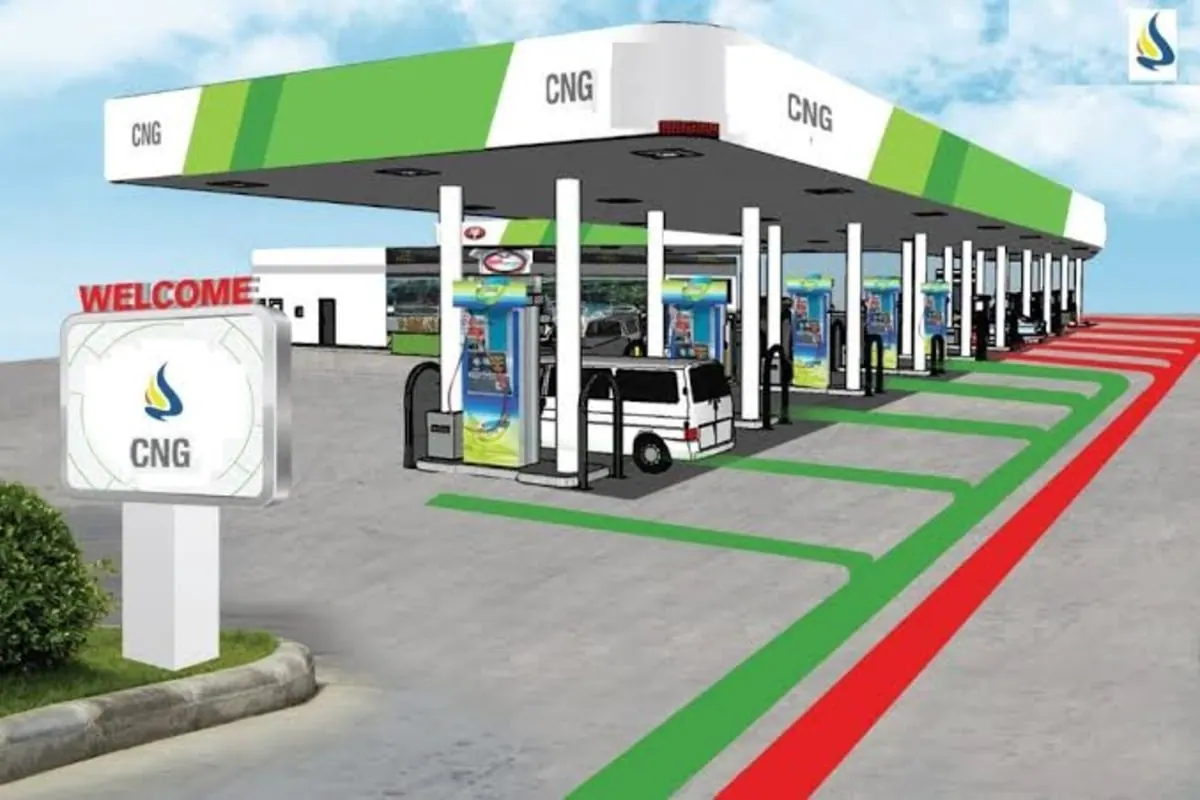
The Federal Government of Nigeria has secured approximately $2.5 billion in private-sector commitments to develop Compressed Natural Gas (CNG) and electric vehicle (EV) infrastructure. This initiative aims to expand the rollout of alternative-energy vehicles to drive down transport fares across the country. The move is part of the government's efforts to provide a more sustainable and affordable alternative to petrol and diesel.
The Executive Chairman of the Presidential Initiative on Compressed Natural Gas and Electric Vehicles (PICNG-EV), Ismaeel Ahmed, disclosed this information recently. He stated that the initiative was established to leverage Nigeria's abundant natural gas resources and reduce transportation costs. The Federal Government has also committed between N300 billion and N400 billion to infrastructure, vehicle deployment, and subsidized conversion kits to accelerate the transition to CNG and electric vehicles.
According to Ahmed, the government's objective is not merely to make gas cheaper but to ensure that savings from lower fuel costs are passed on to commuters through reduced transport fares. He emphasized that the President's goal is to make the transportation system more sustainable and affordable. The CNG rollout has expanded significantly since 2023, when the country had fewer than 10 CNG stations; this number has risen to about 90 operational stations, with another 170 at various stages of development.
Ahmed highlighted that the expansion of CNG infrastructure requires investment across the gas supply chain, from production and compression to transmission and dispensing. To address this challenge, PICNG-EV has been working to create demand for CNG vehicles, convert cars, and make the supply of CNG available. The chairman also mentioned that 500 filling stations have been ordered through federal infrastructure initiatives, while another 500 commitments have been made following the President's engagement with state governors.
The PICNG-EV chairman reported that Abuja alone now has 26 operational CNG stations, while Kano, which had no operational CNG station about a year ago, now has 10. He also mentioned that CNG-powered buses operating on designated routes should offer a minimum of 40 percent reduction in transport fares, with some routes recording higher savings. Additionally, operators have been directed to display fares inside the buses to enable passengers to know the cost of their journeys before boarding.
Ahmed stated that more than 120,000 vehicles have already been converted to CNG, while more than 60 percent of another 100,000 conversion kits announced earlier in the year have been deployed. The conversions cover cars, tricycles, and buses, and demand is increasing as more CNG stations become operational across the country. The government is also working with financial institutions to provide financing options for Nigerians seeking to convert their petrol-powered vehicles to CNG.
The government is promoting EVs as another alternative to petrol and diesel, noting that the initiative is intended to ensure that Nigeria does not depend on a single energy source for transportation. State governors have committed to attracting private investors to establish CNG stations along major transport corridors and to procuring CNG buses and electric vehicles for public transportation in their states. The Federal Government will continue to expand infrastructure and vehicle deployment to ensure that savings from alternative fuels ultimately translate into lower transportation costs for Nigerians.
Key points
- The Federal Government has secured $2.5 billion in private-sector commitments for CNG and EV infrastructure.
- The government aims to reduce transportation costs by providing a more sustainable and affordable alternative to petrol and diesel.
- Over 120,000 vehicles have been converted to CNG, with more conversion kits being deployed.