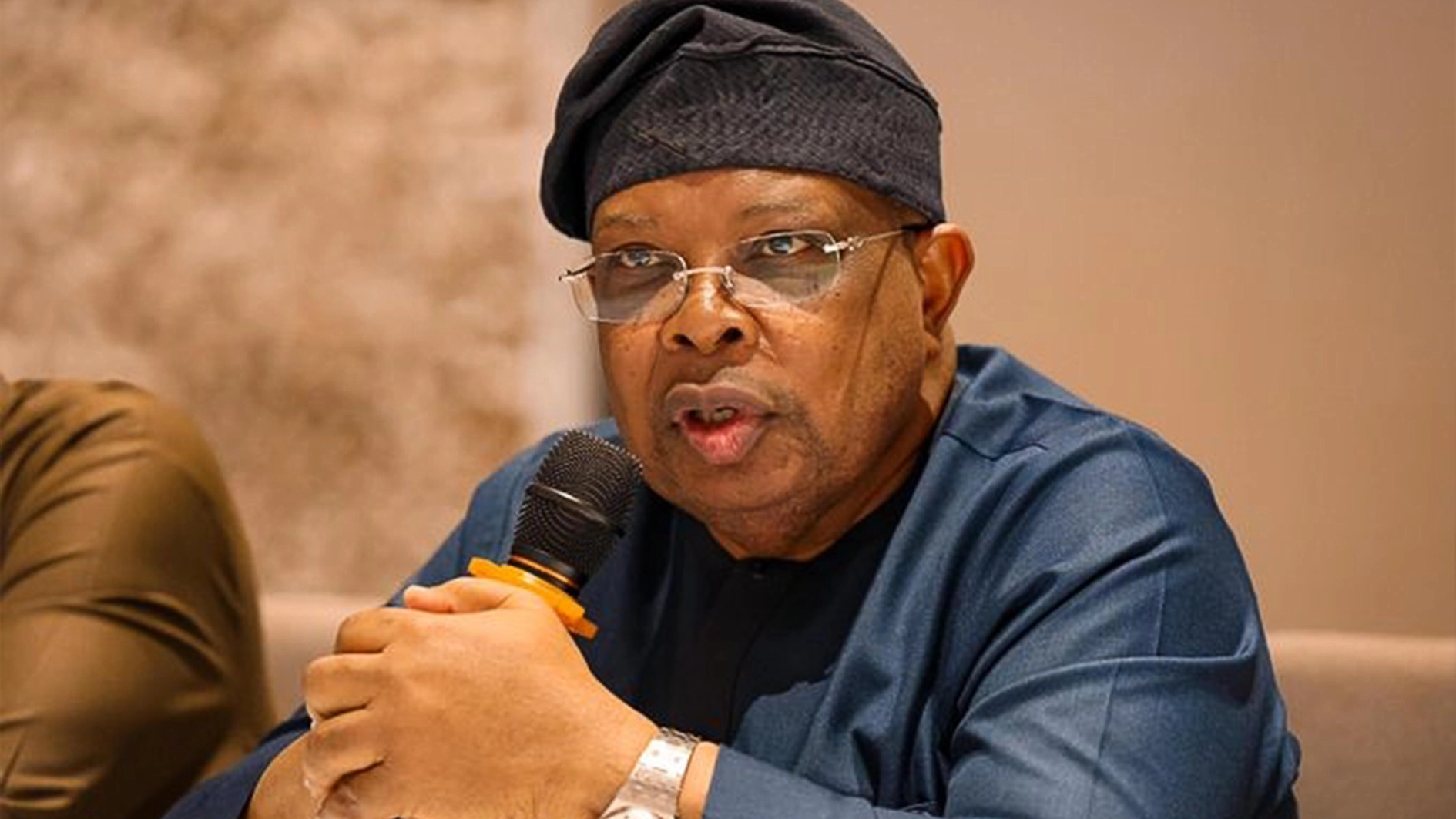
The Federal Government of Nigeria has announced that it will not increase electricity tariffs immediately, citing a focus on stabilising the electricity market and improving supply. According to the Minister of Power, Joseph Tegbe, the government has instead raised an estimated N1.23 trillion towards settling the backlog of debts in the power sector. This move is part of a wider programme aimed at addressing the estimated N3.3 trillion power-sector debt.
The Minister of Power disclosed this information during a media parley to mark his first 100 days in office. Tegbe stated that electricity generation and transmission had remained above 5,000MW over the past couple of weeks, compared with the 3,700MW to 4,700MW range before June. He attributed the improvement to the government's efforts to address the financial challenges across the power value chain.
The government's approach is to address the structural and financial problems responsible for the persistent challenges in the electricity market, rather than simply injecting funds without first establishing where the problems lie. Tegbe revealed that the ministry had conducted a diagnosis of the electricity value chain, which identified constraints in gas supply, generation, transmission, and distribution.
The diagnosis revealed that gas supply to power stations had been constrained by damaged pipelines and commercial terms that discouraged investment. Additionally, the generation fleet remained heavily dependent on ageing thermal plants affected by deferred maintenance and stalled projects. The minister also disclosed that only 27 per cent of generation companies' bills were being paid, undermining their ability to maintain plants and pay gas suppliers.
The transmission network was affected by vandalised towers and lines, overstretched equipment, and frequent tripping. The distribution segment suffered aggregate technical, commercial, and collection losses of between 30 and 40 per cent. Tegbe acknowledged that the improvement in electricity generation had not translated into reliable electricity for all communities.
The minister disclosed that a generation peak of 5,330MW was recorded between August and September. He also announced that the 375MW Alaoji open-cycle power plant had been restored to the national grid after three years offline. Furthermore, new transformers commissioned at Apapa, Ijora, Alausa, and Lekki in Lagos had unlocked 672MW of transmission capacity.
The government is intensifying efforts to address estimated billing and improve revenue collection through metering. Approximately 350,000 meters were installed during the first 100 days of Tegbe's tenure, while cumulative installations reached 1,004,260 as of August 2026. The resolution of the AMMON litigation had unlocked procurement of about 1.4 million smart meters across affected programmes.
Key points
- The Nigerian government has raised N1.23 trillion to settle power sector debts.
- The government has no immediate plan to increase electricity tariffs.
- Electricity generation and transmission have remained above 5,000MW over the past couple of weeks.