The Federal Government of Nigeria has introduced a 30-day discount on petrol dispensed by the Nigerian National Petroleum Company Limited (NNPCL). This move aims to alleviate the impact of high petrol prices on public transport operators and commuters. The discount will prioritize public transport operators nationwide. Minister of Finance and Coordinating Minister of the Economy, Taiwo Oyedele, made this announcement at a press conference in Abuja.
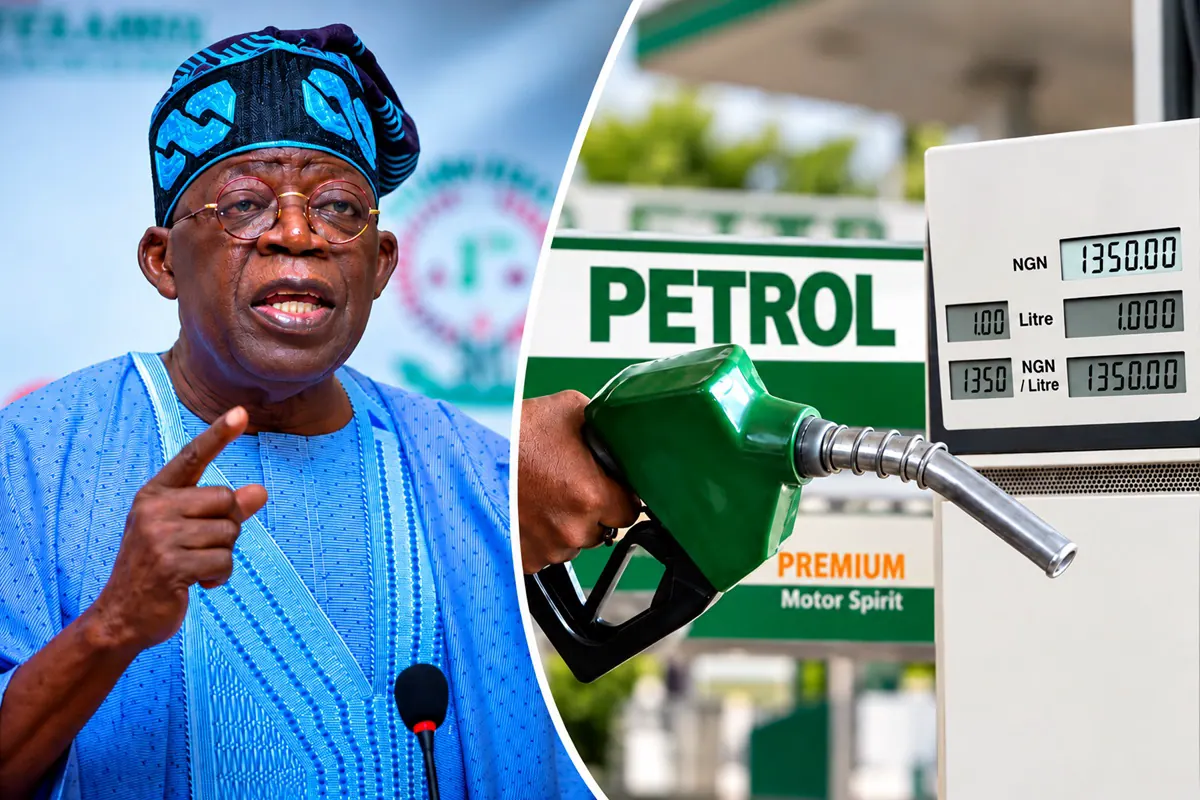
Oyedele emphasized that the discount is a cost-price measure, not a return to the petrol subsidy regime. He stated that the government will sell petrol at cost price to public transport operators. The current average price of petrol is around ₦1,400 per litre, following a significant increase in international crude oil prices. The government is seeking to mitigate the effects of this increase on transportation costs.
In addition to the discount, the government is negotiating an ex-gantry price ceiling of ₦1,350 per litre. This price-modulation mechanism aims to prevent pump prices from reflecting every movement in global crude oil prices and exchange rates. The proposed arrangement will ensure that refiners and importers absorb price differences when actual costs rise above the ceiling.
Oyedele defended the removal of petrol subsidy, citing its role in shielding the country from a more severe fiscal burden. He noted that crude oil prices have risen significantly since the conflict, and the price of petrol in Nigeria has increased from approximately ₦830 per litre to ₦1,400. The minister acknowledged that the increase in fuel prices has raised transportation and logistics costs, particularly for vulnerable households.
The government is implementing various measures to alleviate the impact of high fuel prices. These include forward crude sales to domestic refiners, increased domestic crude production, and cash transfers to vulnerable households. The government is also working with state governments to reduce taxes and levies that contribute to higher fuel and logistics costs.
Furthermore, the government is subsidizing credit for small businesses and consumers. It is also accelerating the rollout of compressed natural gas (CNG) as an alternative fuel for transportation. Oyedele stressed that the 30-day NNPC discount is a targeted relief measure that does not reverse the government's decision to end the previous subsidy arrangement.
The proposed ₦1,350 ex-gantry ceiling will be reviewed monthly, with adjustments made where necessary. The government aims to provide greater predictability for consumers and businesses through this price-modulation mechanism. The minister argued that price stability is crucial, as sudden increases in petrol prices have a ripple effect across the economy.
Key points
- The Federal Government has announced a 30-day discount on petrol dispensed by NNPCL.
- The government is negotiating an ex-gantry price ceiling of ₦1,350 per litre.
- The measures aim to cushion the impact of high petrol prices on public transport operators and commuters.