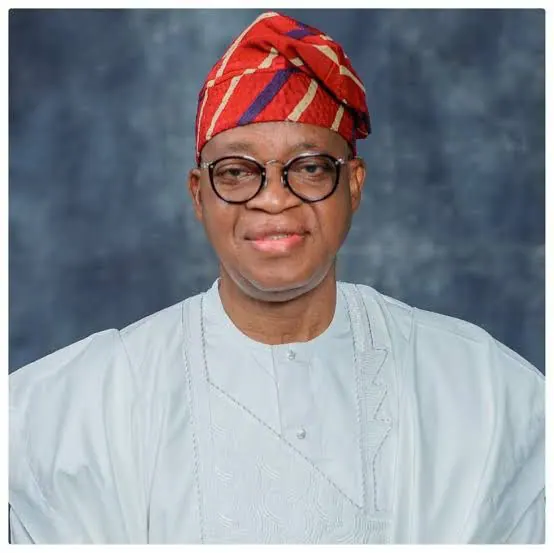
The Federal Government of Nigeria has taken steps to decongest the Lagos ports by approving the modernisation and upgrade of four major ports in the South-South region. This move aims to expand Nigeria's cargo-handling capacity and reduce pressure on the Lagos ports. The Minister of Marine and Blue Economy, Dr Adegboyega Oyetola, disclosed this in a statement on September 27, 2026.
The approved ports for upgrade are Onne, Rivers, Delta, and Calabar ports. This development is part of the Federal Government's efforts to expand Nigeria's cargo-handling capacity and reduce pressure on the Lagos ports. The upgrade of these ports will create additional efficient gateways for international trade and help address the concentration of cargo traffic in the Lagos axis.
The modernisation and upgrade of the four ports in the South-South region is part of a broader strategy to reposition the maritime sector as a major contributor to economic growth, investment, and employment. The programme is under President Bola Ahmed Tinubu's Renewed Hope Agenda. The upgrade will enhance cargo handling, reduce vessel turnaround time, and improve the movement of goods across different parts of the country.
According to Dr Oyetola, the ports have strategic roles to play in Nigeria's trade, industrial, and regional development. The government is determined to equip them to meet the demands of a growing economy. The modernisation programme will not only involve the rehabilitation and upgrading of existing facilities but also the development of new deep seaports across the country.
The Federal Government has approved the development of several new deep seaports, including the Ibom Deep Seaport in Akwa Ibom, Bakassi Deep Seaport in Cross River, Agge Deep Seaport in Bayelsa, Gateway Deep Seaport in Ogun, Ondo Deep Seaport in Ondo, and Bonny Deep Seaport in Rivers. These projects aim to expand Nigeria's maritime capacity and establish stronger economic corridors across the country.
Dr Oyetola emphasized the need for an integrated transport network linking seaports with roads, railways, and inland waterways to ensure seamless cargo movement and reduce logistics costs. The ministry will work with state governments, terminal operators, investors, shipping companies, and other stakeholders to ensure that the various projects deliver measurable improvements in the nation's maritime sector.
Nigeria's strategic location, large market, and maritime resources provide the country with the potential to emerge as a leading maritime hub in Africa. The government is focused on creating the infrastructure and policies required to unlock that potential. The combination of modernising existing ports and developing new ones will give Nigeria greater capacity to handle increasing volumes of trade, attract investment, and position the country as a major maritime and logistics hub in Africa.
Key points
- The Federal Government has approved the modernisation and upgrade of four major ports in the South-South region to expand Nigeria's cargo-handling capacity.
- The upgrade of the ports will create additional efficient gateways for international trade and help address the concentration of cargo traffic in the Lagos axis.
- The government is pursuing the development of new deep seaports across the country to expand Nigeria's maritime capacity and establish stronger economic corridors.