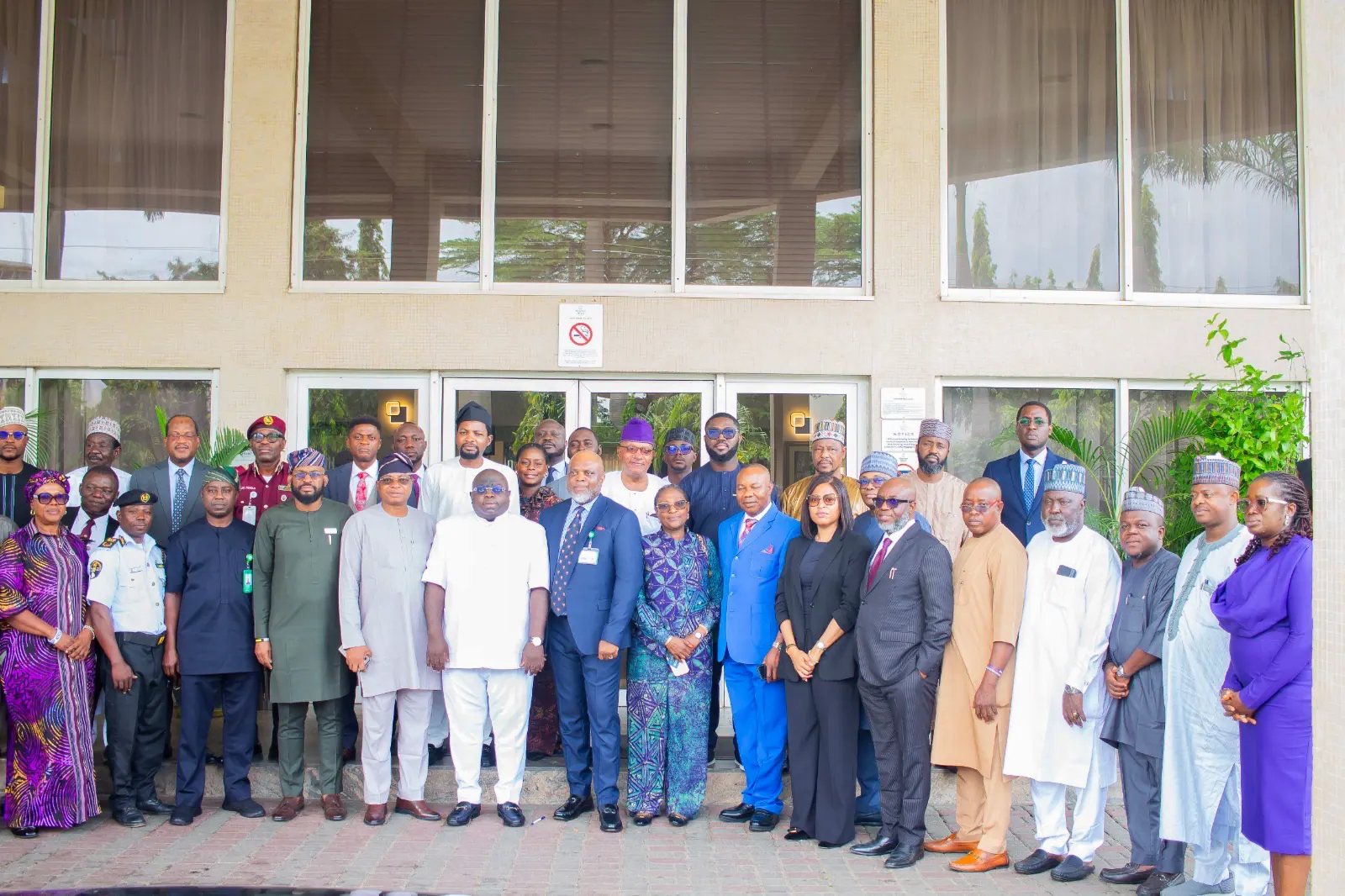
Nigeria's road transport sector is poised for a significant overhaul following a high-level stakeholder meeting in Abuja. The Initiative on Road Transport Transformation was launched to address the sector's challenges and turn them into opportunities. The meeting brought together federal ministries, regulators, transport unions, banks, and development partners. The sector currently carries over 90% of the country's passengers and freight.
Despite its substantial role, the transport and storage sector contributes only 1.56% to Nigeria's GDP. Officials described this figure as unsustainable and a barrier to broader economic growth. The sector's low contribution is attributed to various challenges, including inadequate infrastructure and inefficient management. The Federal Government aims to address these issues through the new initiative.
Dr. Tope Fasua, Special Adviser to the President on Economic Affairs, outlined five priorities for the initiative. These include road safety and professional driver development, digital systems for vehicles and infrastructure, and modernization of the national road network. Other priorities are better private-sector management and stronger coordination among federal, state, and local governments.
Prince Segun Obayendo, Technical Adviser on Transportation, Logistics, and Innovation, noted that Nigeria is nearly a century behind countries like Germany, France, and the United Kingdom in formalizing its transport sector. He stressed that the National Road Safety Advisory Council will oversee the initiative without creating a new agency. Desk officers from existing state and local government staff will support implementation.
Obayendo called for single-digit interest rates for fleet renewal, citing high commercial loan rates of 30-33% as a major challenge. He also urged stronger driver licensing, better data systems, and wider use of compressed natural gas. These measures aim to improve road safety and reduce the environmental impact of the sector.
Stakeholders proposed a multi-sector technical committee to design an integrated governance framework for the sector. The committee's recommendations will be crucial in shaping the initiative's success. Vice President Kashim Shettima has stated that success will be measured by lives saved, system efficiency, dignity for transport workers, and national prosperity.
The initiative now awaits formal endorsement and the committee's recommendations. If successful, it could significantly boost Nigeria's GDP and improve the lives of millions of Nigerians. The Federal Government's commitment to implementing the initiative's recommendations will be crucial in achieving its objectives.
Key points
- The initiative aims to increase the transport sector's GDP contribution from 1.56%.
- The sector carries over 90% of Nigeria's passengers and freight.
- The National Road Safety Advisory Council will oversee the initiative.