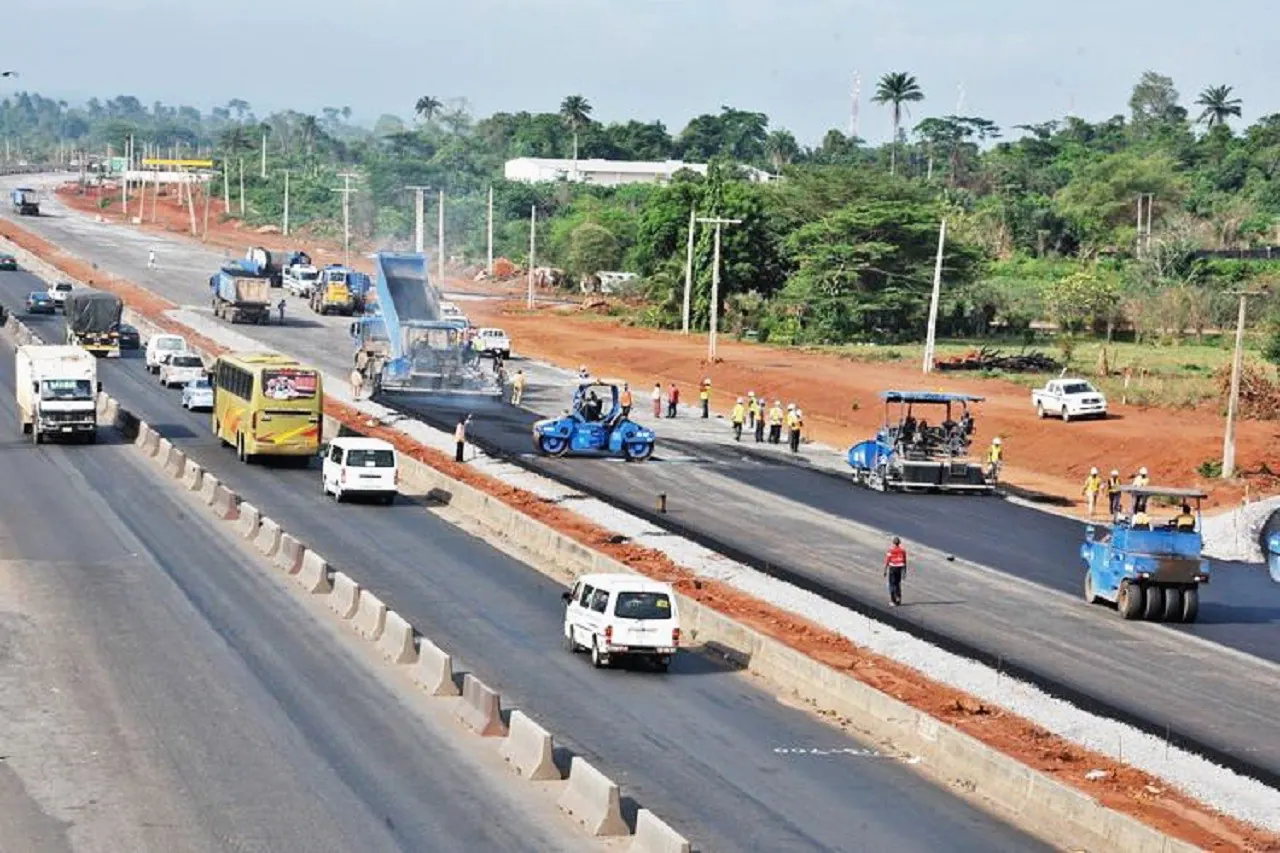
The Federal Government has issued a two-week ultimatum to motorists and road users on the Lagos section of the Lagos-Calabar Coastal Highway to comply with safety regulations. The Federal Controller of Works in Lagos State, Olufemi Dare, gave the warning during an inspection of the highway, citing reckless driving, vandalism, and other activities that threaten safety and ongoing construction works.
The Lagos section of the highway stretches approximately 103 kilometres and is divided into two sections. The first section, from the end of Ahodubule to Eleko Junction, is about 47 kilometres, while the second section, from Eleko Junction to Odo-Ome at the Lagos-Ogun boundary, is about 56 kilometres. The sections contain 20 major bridges, with several still under construction, making strict compliance with traffic and safety regulations crucial.
One of the Federal Government's major concerns is excessive speeding on the highway. The approved speed limit on the coastal highway is 30 kilometres per hour due to ongoing construction activities. However, some motorists have been driving at speeds of up to 100km/h and 120km/h. Dare stressed that people must adhere to the speed limit to ensure safety.
The government is also concerned about reports of fatalities along the highway and can no longer allow road users to disregard safety measures. The highway has become a target for activities that compromise both security and the integrity of the infrastructure. Approximately five kilometres of ClearVu fencing have been removed, and concrete covers covering about 18 kilometres have reportedly been vandalised and taken away.
The vandalism is often carried out at night and has created additional security risks along the route. The government is considering replacing vulnerable sections of the steel fencing with concrete barriers, which officials believe would be more difficult to remove. Plans are also underway to deploy closed-circuit television cameras along the highway to strengthen surveillance.
The Federal Government has simultaneously moved to prohibit truck and trailer parking, illegal U-turns, hawking, animal grazing, commercial motorcycles, and tricycles along the route. Authorities also plan to remove shanties and other illegal structures identified along the corridor. Dare warned that articulated vehicles found parked on the highway would be dealt with, while people creating or using unauthorised U-turns could face prosecution.
The Minister of Works, David Umahi, had raised concerns over persistent violations along the highway, leading to the ultimatum. If motorists fail to comply with safety regulations within two weeks, the government may shut down the route. The shutdown would affect thousands of road users who rely on the highway daily.
Key points
- The Federal Government has given motorists two weeks to comply with safety regulations on the Lagos-Calabar Coastal Highway.
- Excessive speeding and vandalism are major concerns for the government, with some motorists driving at speeds of up to 120km/h.
- The government plans to deploy closed-circuit television cameras and replace vulnerable fencing with concrete barriers to strengthen surveillance and security.