The Federal Government of Nigeria has taken steps to regulate the country's scrap metal industry, aiming to prevent the theft of public infrastructure and strengthen local steel production. This move is led by the Minister of Steel Development, Prince Shuaibu Abubakar Audu, who emphasizes the importance of a well-organized and transparent system for collecting, trading, and recycling scrap metals. The proposed Scrap Metal Regulations 2026 are designed to address the current challenges in the industry.
According to Minister Audu, scrap metal is a crucial raw material for steel production and other manufacturing activities. Proper recycling of scrap metals can reduce waste, create jobs, and support local industries. However, the lack of regulation has led to the theft of essential public infrastructure such as electrical cables, railway materials, and manhole covers. These activities not only disrupt public services but also pose a threat to lives and increase the cost of maintaining government facilities.
The proposed regulations will introduce a licensing system for operators, require proper records of transactions, and implement measures to ensure the safe collection, handling, and recycling of scrap metals. Minister Audu assured that the regulations are not intended to halt legitimate businesses but to protect genuine operators and prevent the sale of stolen materials. The regulations will also accommodate small-scale collectors and traders, with requirements tailored to the size of their businesses.
The Permanent Secretary of the Ministry, Ambassador Nura Abba Rimi, emphasized the importance of effective regulation in building a strong steel industry and supporting local manufacturing. Other stakeholders, including the National President of the National Association of Scrap and Waste Dealers Employers of Nigeria, Comrade Ogbu-Luke Uchechukwu, welcomed the engagement as a crucial step towards organizing the scrap metal business.
The Director-General of NESREA, Dr. Innocent Bariko, noted that proper regulation would protect the environment and public health while supporting recycling and job creation. The representative of Kam Steel Integrated Company Limited, Busari Olanrewaju, pledged the company's support for the regulations through training for scrap collectors, improved grading methods, and investment in modern recycling equipment.
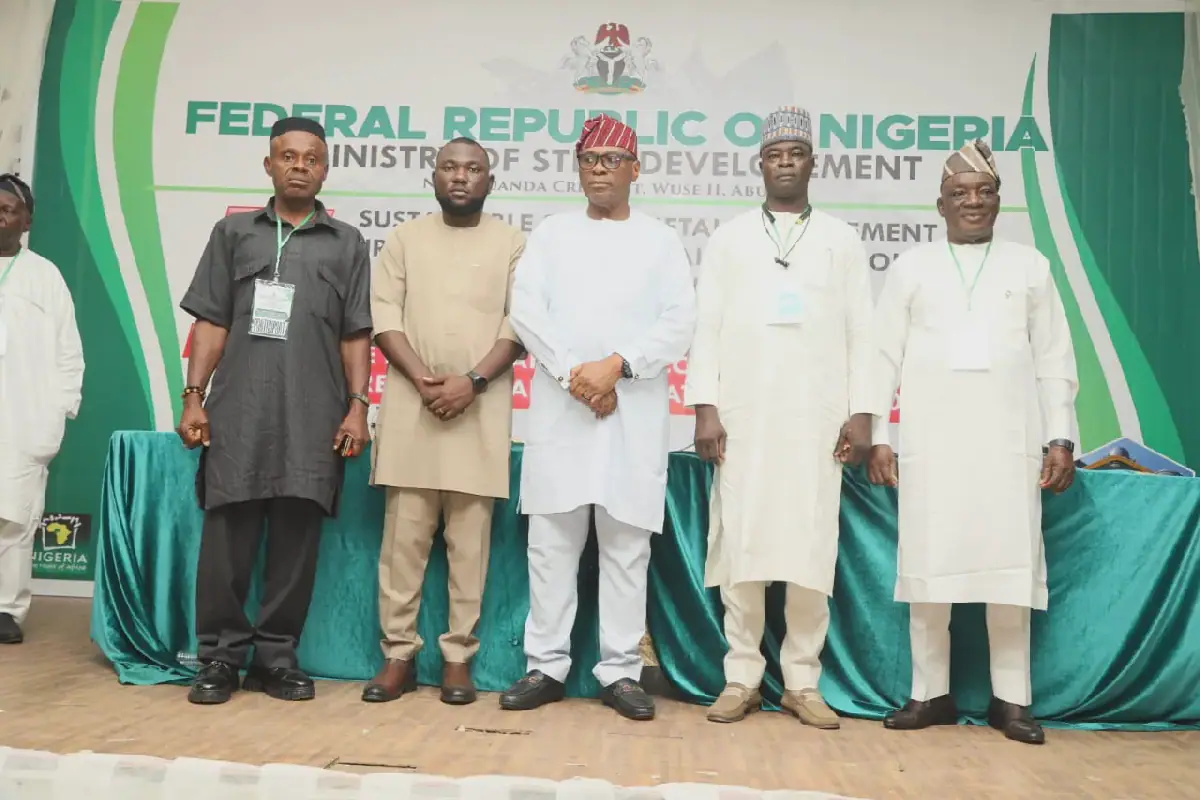
A stakeholders' meeting was held in Lagos to review the draft regulations and gather contributions before their finalization. The meeting aimed to ensure that all stakeholders are on board with the proposed regulations and to encourage collaboration in implementing the new system. Minister Audu urged stakeholders to make useful contributions to the draft regulations to ensure a smooth implementation process.
The regulation of the scrap metal industry is expected to have a positive impact on Nigeria's economy and environment. With a well-organized system in place, the government aims to reduce the theft of public infrastructure, promote recycling, and support local industries. The proposed regulations are a step towards achieving these goals and creating a more sustainable future for Nigeria's steel industry and manufacturing sector.
Key points
- The proposed Scrap Metal Regulations 2026 will introduce licences for operators and measures to ensure safe collection, handling, and recycling of scrap metals.