The Nigeria Customs Service has started releasing and evacuating 98 containers of power sector equipment abandoned at the nation's ports for 14 to 20 years. The first 44 containers were released at the ENL Consortium Terminal and APM Terminals in Lagos on November 6, 2026. The equipment, including high-capacity transformers and transmission materials, will be transported to Kaduna, Osun, Nasarawa, and Cross River states for immediate deployment to ongoing power projects.
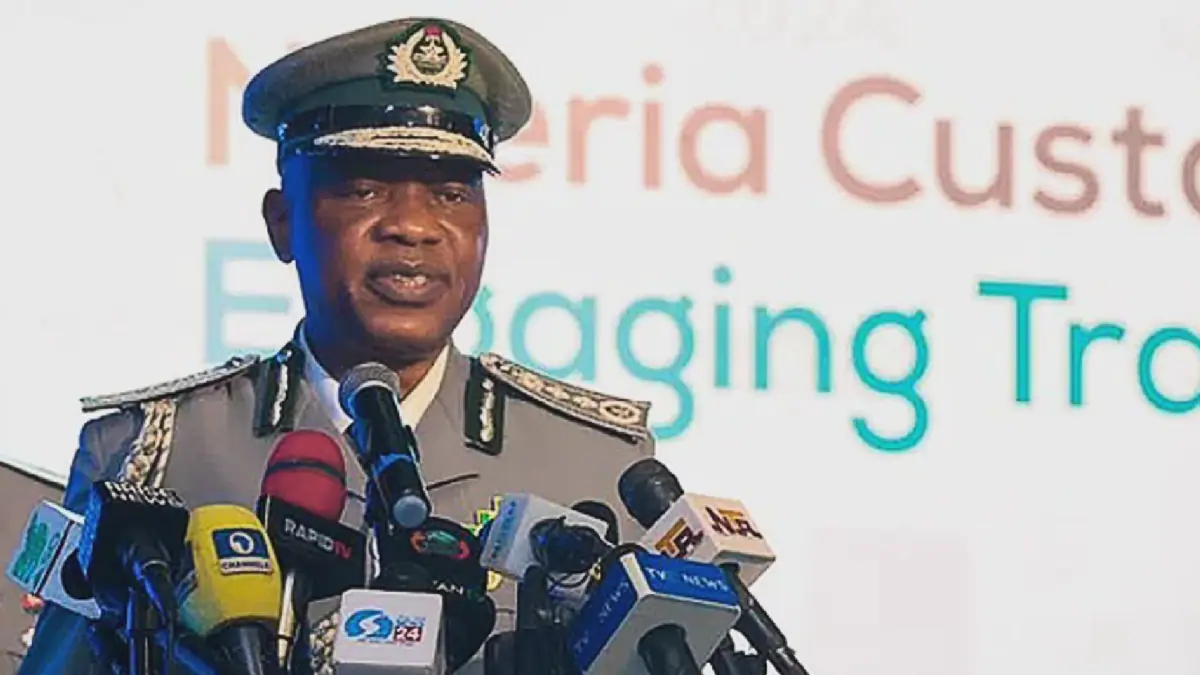
Comptroller-General of Customs, Dr. Bashir Adeniyi, attributed the prolonged stay of the equipment to outstanding charges and administrative bottlenecks. He also cited a pattern of contractors importing equipment for government projects, only to abandon the consignments at the ports without executing the projects. Adeniyi disclosed that the exercise had exposed cases of contractors who secured government permits but failed to fulfil their contractual obligations.
The abandoned equipment includes high-capacity transformers, high-tension wire, cables, switchgear, conductors, and materials for substations to generation points. The equipment was imported through the Federal Ministry of Power and government agencies, including the Transmission Company of Nigeria and Niger Delta Power Holding Company. Adeniyi said the Customs Service would work with relevant agencies to identify and hold accountable contractors who failed to execute projects.
The Minister of Power, Joseph Tegbe, disclosed that the equipment would be moved to support ongoing transmission projects and strengthen connections between substations and generation points. The equipment, inspected and certified fit for the projects, includes towers used to support high-voltage transmission lines and conductors for electricity transmission. Tegbe explained that the stranded equipment was originally procured to expand the national transmission network and improve electricity delivery.
The prolonged storage of the equipment resulted in significant consequences, including delays in material supply, stalled transmission infrastructure projects, and reduced operational flexibility for existing substations. Tegbe described the evacuation as part of the Federal Government's efforts to address longstanding structural challenges in the power sector. Some equipment had remained at the ports for between 10 and 14 years.
The government is working to evacuate the remaining equipment from other ports, including Apapa and Tin Can Island ports, Onne. Improving electricity supply remains central to the administration's economic agenda, with reliable power critical to industrialisation, economic growth, and national prosperity. The government is pursuing improvements across different energy sources, including hydro, gas-fired, and solar power.
The Nigeria Customs Service has deployed facilitation measures, including priority processing and dedicated officers for joint examinations. APM Terminals said containers in its facility had accumulated over N500 million in waiver. After clearance, technical experts will assess the equipment, with serviceable items deployed to ongoing and stalled projects, while obsolete materials will be disposed of in line with regulations.
Key points
- The Federal Government has begun evacuating abandoned power sector equipment from Lagos port, following a presidential directive to remove bottlenecks delaying critical electricity projects.
Reporting sources
- The Guardian · The Guardian