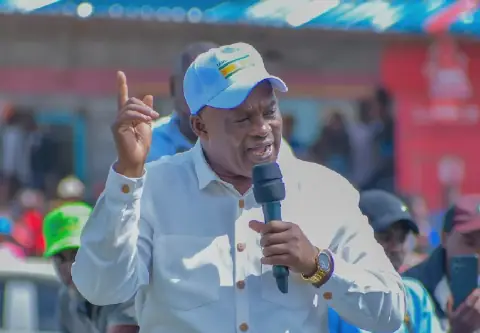
The Federal Government of Nigeria has acknowledged that the country remains far from achieving reliable electricity supply. According to the Minister of Power, Mr. Joseph Olasunkanmi Tegbe, persistent gas shortages, ageing infrastructure, transmission constraints, and commercial weaknesses are major obstacles to improving power delivery. The minister made this admission amid growing public frustration over erratic electricity supply.
The challenges confronting the sector are interconnected and require sustained interventions across the electricity value chain. Tegbe identified inadequate gas supply, vandalism of power infrastructure, poor metering, ageing equipment, and transmission bottlenecks as major constraints undermining efforts to improve electricity supply. He made these remarks at an interactive luncheon with senior editors in Lagos.
The minister's admission comes amid persistent power shortages across the country, despite successive government interventions and investments aimed at expanding generation, transmission, and distribution capacity. The government has paid N1.23 trillion out of the N3.3 trillion approved by President Bola Tinubu to settle verified legacy debts owed to electricity generation companies. More than 2.8 million electricity customers have been metered between 2023 and October 2026 under the Presidential Metering Initiative.
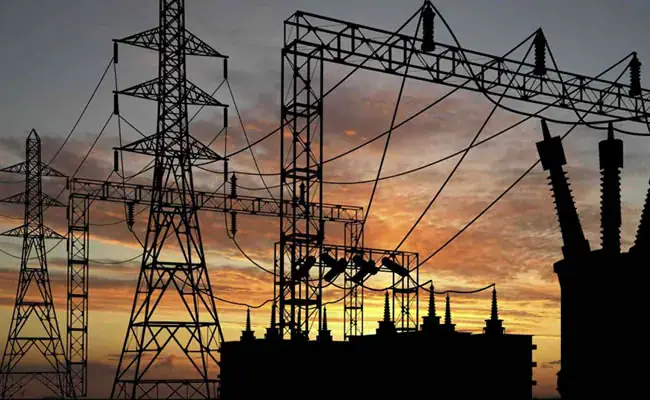
Recently commissioned substations and equipment have added more than 1,300 megavolt-amperes to the national transmission capacity. The improvements cover several locations, including Apapa, Ijora, Ikeja, Kumbotoso, Dankata, Mashi, Dan-Agundi, Biliri, and Walalambe. However, the government plans to replace the existing National Grid Control Centre, which is over 60 years old, with a new facility in Osogbo.
The administration is pursuing efforts to expand electricity generation capacity to 10,000 megawatts. A new electricity development strategy targets major economic corridors, including the Lagos-Ogun, Benin-Enugu-Port Harcourt, and Abuja-Kaduna-Kano corridors, for coordinated electricity development. The Lagos-Ogun axis and Abuja franchise area, which account for over 50% of national electricity demand, have been proposed as pilot locations for 24-hour energy zones.
The initiative aims to improve electricity availability in major economic centers through coordinated investments across the power value chain. To address recurring attacks on electricity infrastructure, the Federal Government has approved a coordinated anti-vandalism campaign involving security agencies, alongside stronger legal measures to protect critical power assets. The minister also called for stronger media engagement to improve public understanding of the sector's challenges and ongoing reforms.
While acknowledging that the sector remains far from meeting public expectations, Tegbe expressed confidence that sustained reforms and institutional collaboration would gradually improve electricity supply. The ultimate measure of the government's performance would be the volume and reliability of electricity delivered to homes, businesses, and industries.
Key points
- The Nigerian government has paid N1.23 trillion to settle legacy debts owed to electricity generation companies.
- Over 2.8 million electricity customers have been metered under the Presidential Metering Initiative.
- The government aims to expand electricity generation capacity to 10,000 megawatts.
Reporting sources
- FG admits Nigeria still far from reliable electricity supply · Daily Times of Nigeria