The tragic death of 38-year-old runner Elizabeth "Tsontso" Moselakgamo has sent shockwaves through South African running clubs, with many women now reluctant to run alone. Moselakgamo was found dead in Rhodesfield on September 9, days after she went for a routine run. Her death has raised concerns about women's safety and how fear is changing the way they use public spaces.
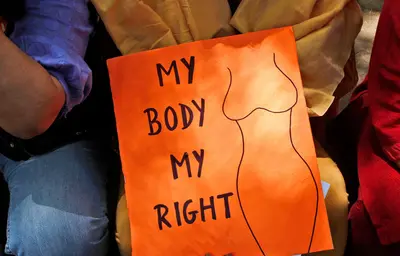
The impact of femicide on women's lives extends beyond the crime itself, with many now forced to negotiate their routes, spaces, and freedom. Women are being advised not to run alone, not to walk in certain areas, and to share their live location with friends and family. While these may be rational responses to danger, they come at a cost, limiting women's access to exercise, recreation, and solitude.
The World Health Organisation recognises that social, environmental, and economic conditions influence opportunities to be physically active. Fear of violence and crime in outdoor areas is a significant barrier to physical activity, particularly for women. The WHO also notes that green and blue spaces can support exercise, relaxation, and social interaction, highlighting the importance of access to safe and healthy environments.
In South Africa, the distribution of green spaces is often unequal, with areas like Sandton having an abundance of parks and gardens, while neighbouring areas like Alexandra have limited access to such spaces. This spatial inequality can have a significant impact on women's health and wellbeing, particularly when combined with the fear of violence.
Research by the Gauteng City-Region Observatory has documented the uneven distribution of green spaces in South Africa, highlighting the need for more equitable access to healthy environments. The concept of structural violence, introduced by Johan Galtung, also sheds light on the social structures that create avoidable differences in what people are able to realise.
Women's experiences of fear and violence are not limited to the immediate act of violence itself, but also the ongoing impact on their daily lives. Women are adapting to spaces they perceive as unsafe, changing routes, and forming groups to run together. However, this can also lead to a loss of freedom and autonomy, as women are forced to constantly calculate risk.
Ultimately, the conversation about femicide must go beyond identifying and condemning perpetrators, and also consider the impact on women's lives and the society they live in. A healthy society should not only ensure women's survival but also their freedom to live fully within public spaces.
Key points
- Femicide has a profound impact on women's lives, limiting their access to exercise, recreation, and solitude.
- The distribution of green spaces in South Africa is often unequal, exacerbating the impact of femicide on women's health and wellbeing.
- Women's experiences of fear and violence are not limited to the immediate act of violence, but also the ongoing impact on their daily lives.