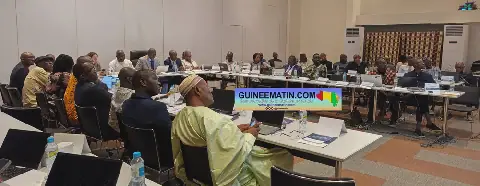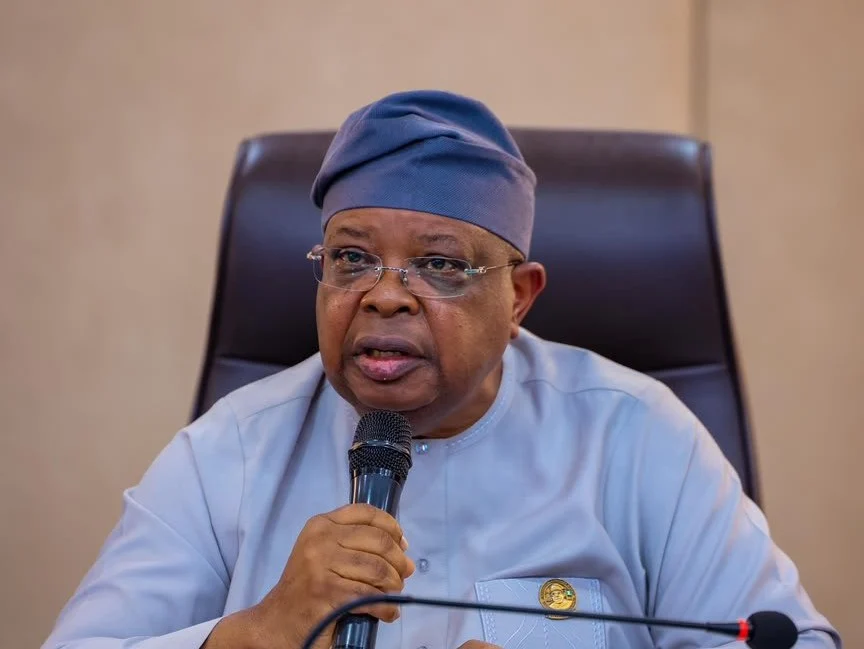
The Nigerian federal government has initiated talks with electricity distribution companies to establish dedicated Energy Zones, aiming to provide 24-hour electricity supply to major demand centres nationwide. Minister of Power, Joseph Tegbe, revealed this during a closed-door meeting with selected distribution companies, according to a statement by his media aide, Adeola Adelabu. The proposed zones will cover key areas, including the Lagos axis and the Abuja-Kaduna-Kano corridor.
The Energy Zones initiative seeks to address persistent distribution constraints, ensuring reliable electricity supply to consumers, particularly in areas with high commercial and industrial demand. Tegbe emphasised that Nigeria's electricity sector challenges extend beyond generation and transmission to distribution. He noted that improving distribution companies' capacity to receive and deliver electricity would unlock additional commercial and industrial demand, boosting revenue and collection performance.
The proposed Energy Zones will prioritise areas where reliable electricity is crucial for manufacturing, businesses, and productive activities. The federal government has reaffirmed its commitment to expanding electricity infrastructure in high-demand areas, stressing that power supply capacity must increase with the growing Nigerian economy. This initiative aligns with President Bola Tinubu's Renewed Hope Agenda, which identifies reliable electricity supply as a key component of economic growth and job creation.
The meeting with distribution companies included representatives from Abuja Electricity Distribution Company (AEDC), Ikeja Electric, Eko Power, Ibadan Electricity Distribution Company (IBEDC), and Sahara Energy Group. This engagement is part of Tegbe's strategy to address longstanding electricity sector challenges through a disciplined and phased approach. The government has yet to announce a specific implementation timeline, electricity capacity allocation, or required infrastructure investments.
The initiative comes amid ongoing concerns over the reliability of electricity supply across Nigeria and the ability of distribution companies to deliver available power to consumers. The proposed Energy Zones are expected to cover the Lagos axis, Abuja-Kaduna-Kano corridor, and Enugu-Port Harcourt corridor. This development has sparked hope for improved electricity supply in major cities, which could, in turn, boost economic activities and industrial growth.
According to the Minister of Power, the constraint on the sector is not limited to generation and transmission but includes distribution. Improving distribution companies' capacity will help unlock additional commercial and industrial demand. The federal government's commitment to expanding electricity infrastructure in areas with significant demand is expected to drive economic growth and industrialisation.
While the federal government has begun discussions with distribution companies, a specific implementation timeline and infrastructure investments required to guarantee uninterrupted supply have not been announced. The proposed Energy Zones are a significant step towards addressing Nigeria's electricity challenges, and stakeholders are eagerly awaiting further details on the initiative's implementation.
Key points
- The proposed Energy Zones will cover major demand centres, including the Lagos axis, Abuja-Kaduna-Kano corridor, and Enugu-Port Harcourt corridor.
- The initiative aims to address persistent distribution constraints and ensure reliable electricity supply to consumers.
- The proposed Energy Zones align with President Bola Tinubu's Renewed Hope Agenda, focusing on reliable electricity supply for economic growth and job creation.