The Federal Government of Nigeria has completed 10 radiodiagnostic centres and three cancer treatment facilities nationwide as part of a major push to curb medical tourism and expand access to advanced diagnosis and specialist treatment. This development is part of the administration of President Bola Ahmed Tinubu's efforts to strengthen Nigeria's healthcare system. The new facilities aim to provide greater access to modern diagnostic services, supporting quality healthcare, medical training, and research.
The 10 radiodiagnostic centres were delivered through MedServe and the Nigeria Sovereign Investment Authority. These centres are equipped to improve access to modern diagnostic services while supporting quality healthcare, medical training, and research. One of the completed radiodiagnostic centres is located at the Abubakar Tafawa Balewa University Teaching Hospital in Bauchi, while another facility in Ibadan, Oyo State, is scheduled for commissioning.
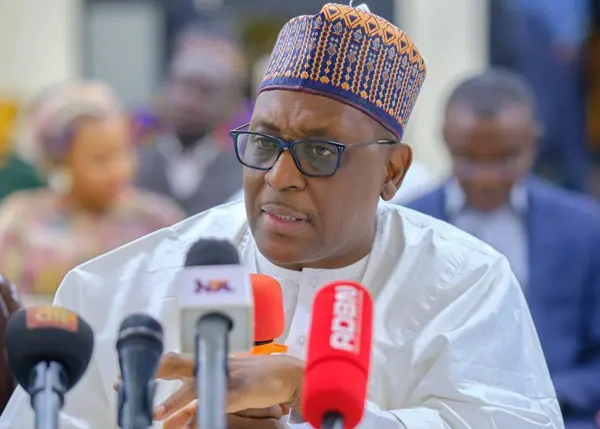
The Coordinating Minister of Health and Social Welfare, Prof. Muhammad Ali Pate, described the development as the largest expansion of health infrastructure and equipment in Nigeria's history. Three cancer centres have been completed as part of the wider healthcare transformation programme. This investment aims to address longstanding deficiencies in Nigeria's healthcare system, which have compelled many patients to seek medical care overseas.
President Tinubu had identified the development of advanced diagnostic and oncology facilities as part of efforts to reduce outbound medical tourism and strengthen Nigeria's capacity to provide complex treatment locally. The programme builds on earlier NSIA-backed investments, including the cancer treatment facility at the Lagos University Teaching Hospital and diagnostic centres in Kano and Umuahia.
The Federal Government is also preparing to establish six major multi-specialty hospitals, with one planned for each of Nigeria's six geopolitical zones. These hospitals are expected to complement the new oncology and diagnostic facilities by expanding the range of complex procedures and specialist medical services available within Nigeria.
The proposed multi-specialty hospitals aim to reduce the financial burden on Nigerians who travel abroad for treatment, while retaining within the domestic economy some of the foreign exchange otherwise spent on medical care overseas. Strengthening local capacity for advanced medical treatment is crucial not only to reducing outbound medical tourism but also to positioning Nigeria eventually as a destination for patients from neighbouring countries.
The government has maintained that overhauling the country's health infrastructure through investments in modern equipment and collaboration between the Federal Government and states is crucial. The progress reflects a broader push to modernise Nigeria's health system through upgraded infrastructure, advanced medical equipment, and stronger collaboration between the Federal Government and state governments.
Key points
- The Federal Government has completed 10 radiodiagnostic centres and three cancer treatment facilities nationwide.
- The new facilities aim to provide greater access to modern diagnostic services, supporting quality healthcare, medical training, and research.
- The government plans to establish six major multi-specialty hospitals, one in each of Nigeria's six geopolitical zones.