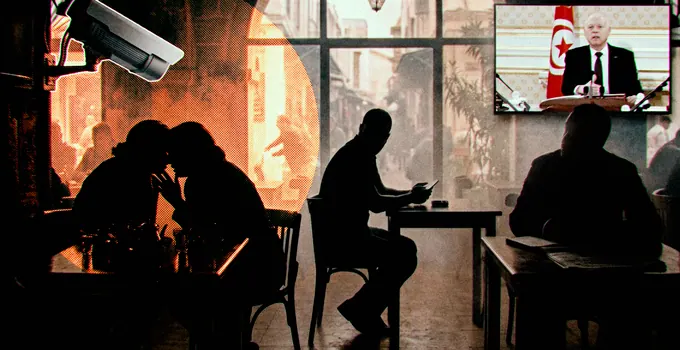
The atmosphere in Tunisia has become increasingly tense, with citizens and journalists exercising self-censorship to avoid reprisals from the authorities. Many have stopped discussing politics and current events in public, fearing arrest, imprisonment, or online harassment. This shift has been driven by a series of incidents, including the imprisonment of journalists and activists, and the use of a decree that allows for the prosecution of individuals who express opinions that are deemed critical of the government.
A recent report by the human rights organization "Taqatuc" documented 285 cases of human rights abuses in Tunisia between March 2025 and February 2026, including restrictions on freedom of expression and assembly. The report highlights the widespread nature of these abuses, which have affected various sectors of society. The organization's findings suggest that the situation in Tunisia is grave, with many citizens feeling intimidated and silenced.
The fear of speaking out has become so pervasive that it has begun to affect everyday life in Tunisia. Citizens are now hesitant to discuss even mundane issues, such as the accumulation of trash in their neighborhoods, for fear of being targeted by the authorities. This has created a culture of silence, where people are reluctant to express their opinions or engage in public debate.
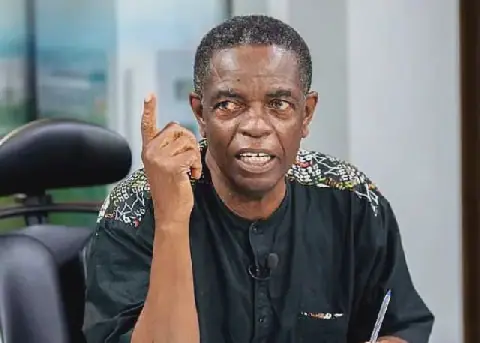
The situation has been exacerbated by the passage of Decree 54, which has been used to prosecute individuals who express critical opinions on social media. According to Fadi Fraihi, a member of the Taqatuc organization, over 70 cases of human rights abuses have been documented since the decree came into effect, although many more incidents have gone unreported due to fear of reprisals.
The impact of Decree 54 has been significant, with many citizens and activists feeling intimidated and silenced. The case of lawyer and journalist Sania Al-Dhamani, who was arrested and imprisoned for expressing her opinions, has been cited as an example of the government's willingness to use force to suppress dissent. Her case has had a chilling effect on many Tunisians, who are now reluctant to speak out against the government.
The decline of public debate and the rise of self-censorship have significant implications for Tunisia's democracy and civic engagement. With citizens increasingly reluctant to engage in public discourse, the country's political landscape is becoming increasingly sterile. This could have long-term consequences for Tunisia's democratic development and its ability to address pressing social and economic issues.
The situation in Tunisia highlights the challenges facing many countries in the region, where governments are increasingly using repression and intimidation to silence critics and maintain control. As Tunisia's experience shows, the erosion of freedom of expression and assembly can have far-reaching consequences, including the suppression of dissent and the stifling of public debate.
Key points
- The use of Decree 54 has been instrumental in silencing critics and suppressing dissent in Tunisia.
- The culture of fear and self-censorship has become pervasive in Tunisia, with many citizens reluctant to express their opinions or engage in public debate.
- The situation in Tunisia has significant implications for the country's democracy and civic engagement, with long-term consequences for its ability to address pressing social and economic issues.