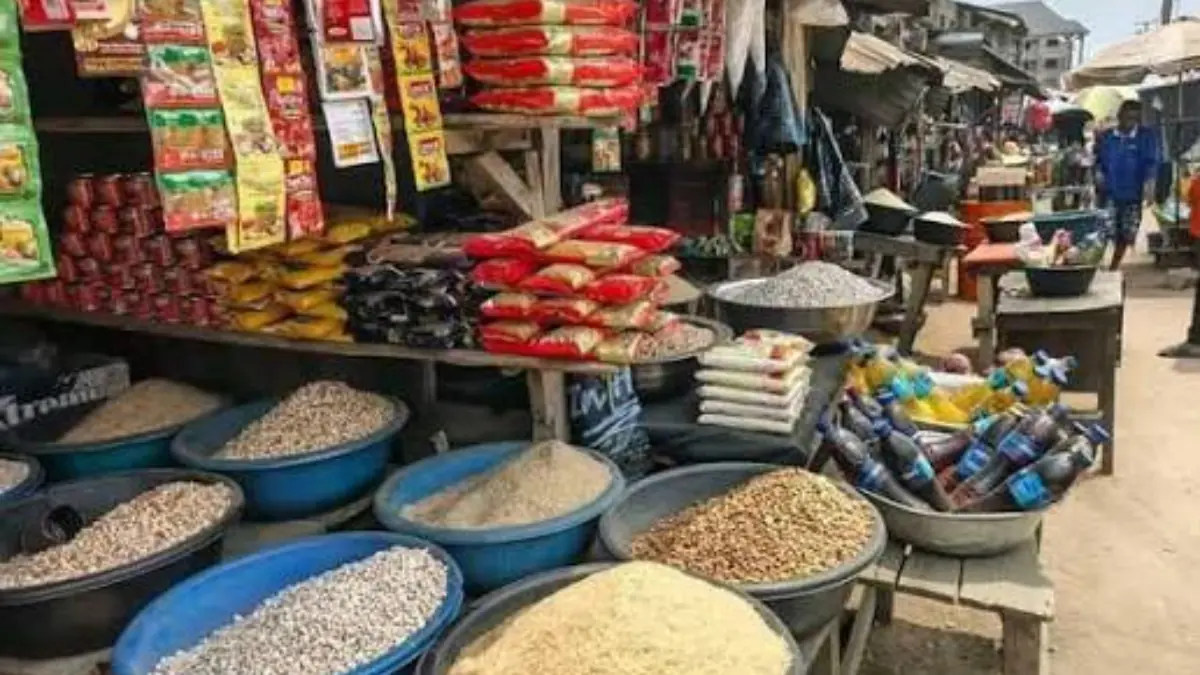
Residents of the Federal Capital Territory (FCT) in Nigeria are expressing concern over the increasing cost of basic food items, making it difficult for them to afford staples. The rising prices have forced many to adjust their food budgets and reduce the quantity of food they purchase. According to the News Agency of Nigeria (NAN), a 50kg bag of rice that was previously sold between N60,000 and N63,000 is now being sold between N68,000 and N71,000.
The price hike affects various food items, including a 25kg bag of rice, which now costs between N34,500 and N36,500. A bag of beans has also increased in price, from N90,000 to N111,000. Additionally, a 25-liter container of cooking oil that previously cost N56,000 is now being sold between N62,000 and N65,000. These price increases have significantly impacted residents' daily lives, with many struggling to maintain their usual standard of living.
Residents like Otamiyo Yene from Suleja have had to adjust their spending habits due to the rising costs. Yene mentioned that she can no longer buy the same quantity of staples with her monthly budget and has to focus on only the most essential items. Similarly, Habiba Muhammad has had to plan her meals, compare prices before buying foodstuffs, and cut unnecessary spending to cope with the situation.
Naima Umar, a resident of Dei-Dei, also expressed her concerns about the rising food prices. She stated that almost everything she normally bought had become more expensive, especially rice, beans, meat, fish, eggs, and cooking oil. Umar mentioned that the situation has affected the variety of food they consume, as they now focus more on affordable basic items.
Nasir Ibrahim, another resident, shared his struggles with the rising food prices, which have put pressure on his household budget and made feeding his family more expensive. Ibrahim mentioned that his family tries to reduce food waste and make better use of available food at home. However, he still finds it challenging due to the continuous pressure on the household budget.
Food trader Latifat Hussaini attributed the rising prices to increased transportation costs, insecurity in some areas, higher supply costs, and reduced availability of some commodities. A civil servant, Aminu Ahmed, appealed for additional financial support and allowances for civil servants to cushion the impact of the rising cost of living.
The residents' struggles with rising food prices have led to calls for measures to reduce the burden and make essential foodstuffs more affordable to households. The situation remains a challenge for many, with some residents forced to adjust their spending habits and prioritize essential items.
Key points
- The rising cost of food items in Nigeria's FCT has forced residents to adjust their food budgets and reduce the quantity of food they purchase.
- The price increases affect various food items, including rice, beans, and cooking oil.
- Residents are calling for measures to reduce the burden of rising food prices and make essential foodstuffs more affordable.