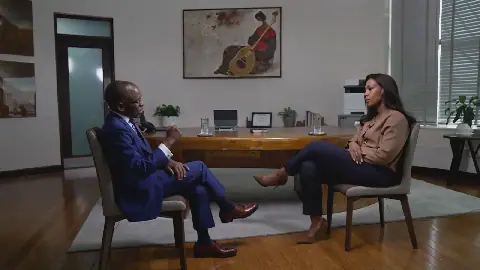
Fourah Bay College lecturer Sheku Putka Kamara has urged the government to restrict mobile phone use in schools and examination centres to curb examination malpractice in Sierra Leone. During a recent media interview, Kamara expressed concerns about the circulation of examination questions on social media and questioned how confidential examination materials reach candidates before they sit their papers. He argued that unrestricted access to mobile phones and messaging platforms creates opportunities for candidates to receive and share examination questions and answers.
Kamara stressed that students should not bear sole responsibility for examination malpractice, insisting that institutions and individuals responsible for securing examination papers must also be held accountable. He cited instances where examination questions reportedly appeared online before being changed, raising concerns about possible breaches of examination security. Kamara also questioned how confidential examination materials could reach the public before examinations if adequate security measures were in place.
The lecturer revealed that he had received examination questions before candidates sat their papers, including English Language questions allegedly circulated on the morning of examinations. He raised concerns about the possible involvement of teachers, invigilators, and other examination personnel in facilitating access to examination questions. Kamara called for investigations into the channels through which unauthorised information reaches candidates.
Kamara cautioned that banning or confiscating mobile phones alone might not eliminate malpractice if candidates could still access other devices or obtain answers from individuals outside examination centres. He therefore called for a broader approach that combines restrictions on phone use with stronger examination security and accountability. This, he believes, will help protect the integrity of public examinations.
The lecturer also questioned how examination authorities distinguish between genuine similarities in candidates' answers and possible collusion, particularly in subjects such as Mathematics and English Language. He warned that candidates who obtain examination passes without acquiring the required knowledge and skills could struggle at university, where they are expected to demonstrate their academic competence.
Kamara maintained that tackling examination malpractice requires collective action from education authorities, schools, examination personnel, parents, and students. He stressed that protecting the credibility of public examinations must be a shared responsibility. The lecturer's concerns are shared by many stakeholders in the education sector, who believe that examination malpractice undermines the validity of academic qualifications.
The issue of examination malpractice is a significant challenge in Sierra Leone's education system, with the West Africa Examination Council (WAEC) and the Ministry of Basic and Senior Secondary Education working to address the problem. Fourah Bay College, one of the country's premier institutions of higher learning, is taking steps to ensure the integrity of its academic programmes.
Key points
- Lecturer Sheku Putka Kamara calls for restrictions on mobile phone use in schools to curb examination malpractice.
- Examination malpractice undermines the validity of academic qualifications and requires collective action from stakeholders.
- A broader approach combining phone restrictions with stronger examination security and accountability is needed to tackle malpractice.