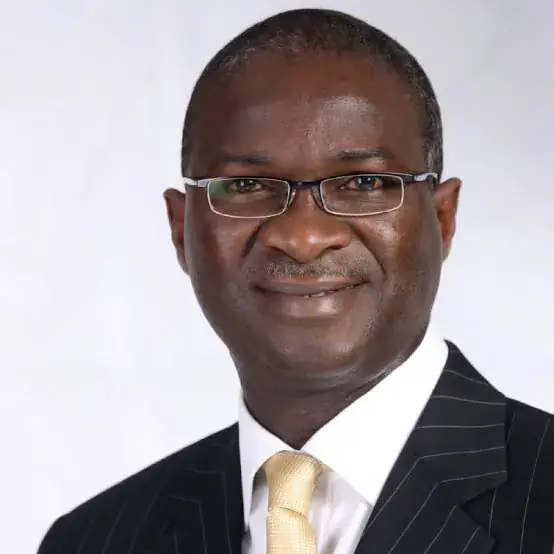
Former Minister of Works and Housing Babatunde Fashola has expressed doubts about the feasibility of Atiku Abubakar's proposal to restore fuel subsidy if elected president in 2027. Fashola argued that Nigeria's ongoing challenges with crude oil production, pipeline vandalism, and security raise concerns about the country's ability to secure the required crude to support domestic refineries and maintain a subsidy regime. He made these comments on Channels Television's Politics Today.
Fashola questioned the availability of crude oil to sustain the policy, citing legacy issues such as challenges with security personnel and vandalism. He asked where the "magic crude oil" would come from, emphasizing that people are entitled to ask about the plan's feasibility. Fashola also stated that Atiku needs to explain how he intends to implement the proposal and where the funding would come from.
The former Lagos State governor questioned Atiku's credibility, noting that all major candidates in the 2023 election had initially supported removing the subsidy. Fashola argued that restoring the policy would require legislative backing to repeal existing laws, questioning how many lawmakers would be willing to support such a move. He emphasized that without proof, the plan resembles magic.
Fashola warned that a return to subsidizing fuel could reduce financial allocations to state governments, recalling the financial difficulties states faced under the previous arrangement. He noted that the removal of the subsidy by President Bola Tinubu in May 2023 led to higher petrol prices and increased the cost of living. Fashola's comments highlight the challenges of implementing a fuel subsidy regime in Nigeria.
Atiku Abubakar had pledged to introduce a time-bound, audited subsidy arrangement tied to locally refined products to ease economic hardship in August 2026. Fashola's doubts about the plan's feasibility have sparked a debate about the viability of restoring fuel subsidies in Nigeria. The country's crude oil production challenges and security concerns are key factors in this discussion.
The fuel subsidy regime has been a contentious issue in Nigerian politics, with different administrations struggling to manage its implementation. Fashola's comments reflect the skepticism surrounding Atiku's proposal, highlighting the need for a clear plan and credible implementation strategy. The proposal's feasibility will likely be a topic of discussion in the lead-up to the 2027 election.
The debate about fuel subsidies in Nigeria is ongoing, with different stakeholders weighing the pros and cons of the policy. Fashola's comments have added to the discussion, emphasizing the need for a realistic and well-planned approach to implementing a fuel subsidy regime. The country's economic challenges and crude oil production concerns will likely remain key factors in this debate.
Key points
- Fashola questions the availability of crude oil to sustain Atiku's proposed fuel subsidy regime.
- Atiku's plan requires legislative backing to repeal existing laws, which is uncertain.
- Restoring fuel subsidies could reduce financial allocations to state governments.