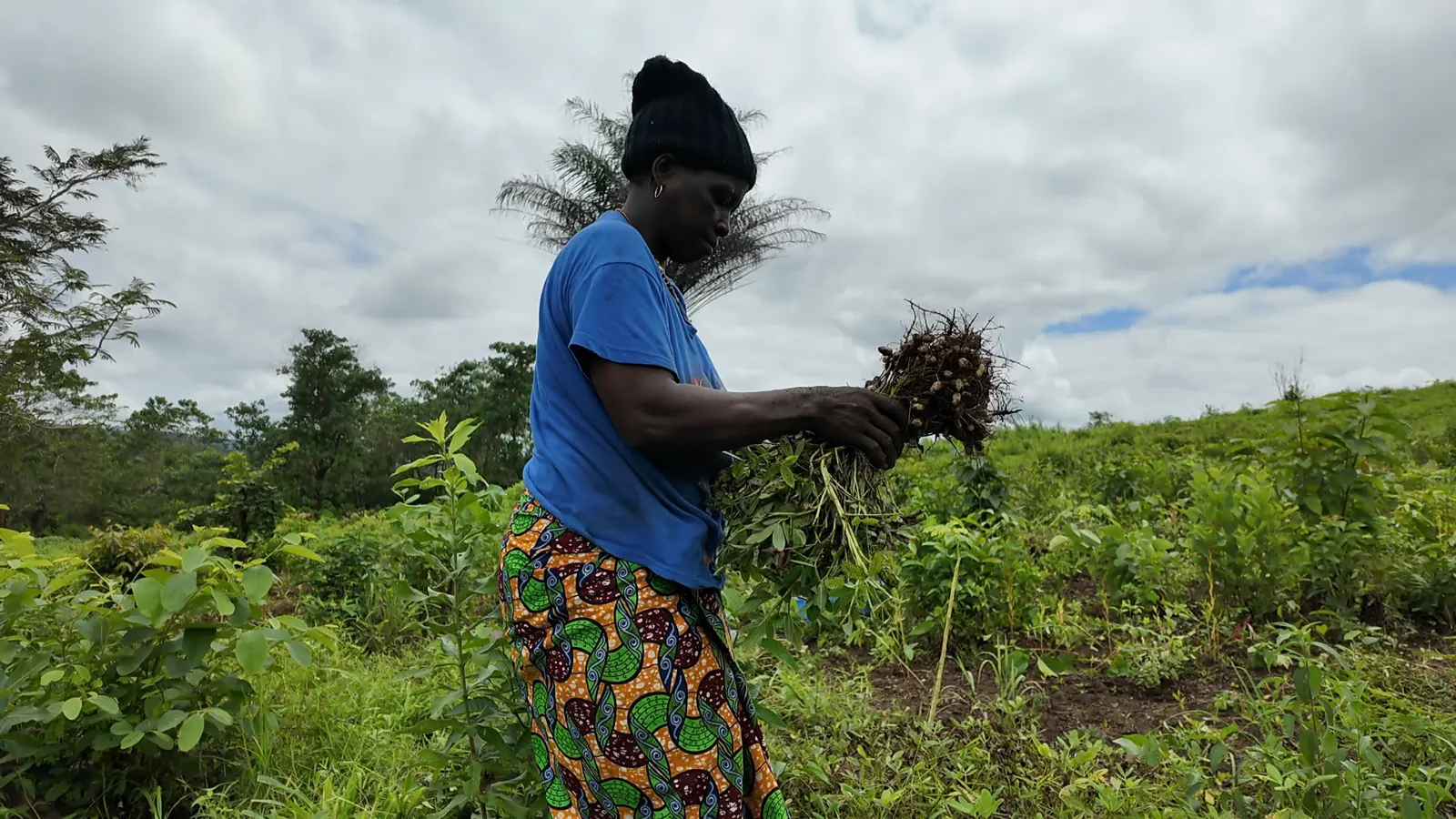
The rural community of Falessadé, located approximately 50 kilometers from the center of Dubréka prefecture in Guinea, is grappling with substantial difficulties in accessing markets. With a population of nearly 14,000 inhabitants, Falessadé is an agro-pastoral area renowned for its production of rice, fruits, peanuts, and other agricultural products. As a key supplier to Dubréka prefecture, Falessadé has considerable agricultural potential. However, the state of its road infrastructure and the breakdown of the sole ferry crossing the Badi River severely complicate the evacuation of harvests to markets.
The challenges faced by Falessadé are exacerbated during the rainy season. The roads become increasingly impassable, and the ferry breakdown further isolates several localities. According to several testimonies collected from inhabitants and local authorities, this situation has a devastating impact on farmers. The mayor of Falessadé rural commune lamented the consequences of this situation on producers, stating that farmers are currently facing enormous difficulties in selling their products to Dubréka and other nearby localities.
The breakdown of the ferry and poor road conditions result in significant losses for farmers, with some products rotting on site. Ismaël Camara from Badi, a locality under Falessadé sub-prefecture, highlighted the difficulties related to road conditions. He emphasized that the lack of a proper road constitutes a significant problem for transporting agricultural products to other localities, resulting in considerable losses due to delayed arrivals at markets.
Yarie Sylla echoed similar sentiments, stressing the absence of infrastructure to facilitate crossing and transportation of products. She believes that Falessadé's isolation directly penalizes producers, who struggle to sell their harvests under favorable conditions. The situation has prompted inhabitants and local authorities to appeal to the public authorities for assistance.
The inhabitants and authorities of Falessadé are calling for the rehabilitation of roads and the construction of a bridge to connect Falessadé and facilitate the evacuation of agricultural products to Dubréka and other consumption areas. For producers, improving infrastructure is now a crucial condition for better valorizing local agricultural production and reducing annual losses.
Falessadé comprises eleven districts and is a significant agricultural producer in the region. However, without proper infrastructure, the community struggles to capitalize on its agricultural potential. The local authorities and inhabitants hope that their appeals will be heard, and necessary actions will be taken to address the challenges faced by the community.
The improvement of infrastructure in Falessadé is expected to have a positive impact on the local economy and the livelihoods of its inhabitants. With better roads and a functioning ferry or bridge, farmers will be able to sell their products more easily, reducing losses and increasing their income. This, in turn, is expected to boost agricultural production and contribute to the overall economic development of the region.
Key points
- Poor road conditions and a broken ferry in Guinea's Falessadé hinder farmers' ability to sell their crops.
- The situation worsens during the rainy season, resulting in significant losses for farmers.
- Local authorities and inhabitants are calling for infrastructure improvements to address the challenges faced by the community.