Twenty-seven years have passed since Dominic Musomba Wambua was killed in a violent shoot-out in Nairobi's city centre. On April 24, 1999, Wambua, then 38, was caught up in an exchange of gunfire between police and suspected bank robbers. His death cut short his life and disrupted the future of his five children, who lost their sole breadwinner. The effects of the loss have since extended to another generation, with his grandchildren growing up without knowing him.
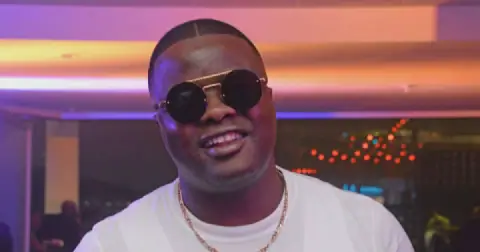
Wambua's grandson, Dominic Kioko, is now determined to keep the family's quest for justice alive. Kioko, 21, says he has lived knowing that his grandfather was innocently killed at the hands of the police. Despite previous attempts to seek redress through government institutions yielding little, Kioko is seeking the intervention of the Independent Policing Oversight Authority (Ipoa) to reopen investigations and establish what happened.
Kioko claims that previous attempts to seek redress through government institutions have yielded little. He visited the Kenya National Commission on Human Rights (KNCHR) but did not receive the help needed. No one was arrested, the government has never explained what happened, and the family's demand for an inquest has gone unanswered. The family continues to grapple with the economic consequences of Wambua's death, particularly the disruption of his children's education and livelihoods.
Kioko submitted a claim to the Panel of Experts on Compensation of Victims of Human Rights Violations, identifying officers from the Kenya Police Flying Squad and Quick Response Mobile Unit as responsible for the killing. The claim lists the harm suffered as death, torture or cruel, inhuman or degrading treatment, loss of livelihood, economic loss and psychological trauma. Kioko states that Wambua was shot in the chest but remained alive when placed at the back of a police Land Cruiser, and died while in police custody on the way to hospital.
The claim describes Wambua as the family's sole breadwinner, saying his death deprived his widow and children of income, school fees and basic support. It also states that Wambua's widow, Rose Nduku, and the children have continued to suffer psychological trauma, while their education and upkeep were adversely affected. Kioko formally sought intervention from the KNCHR over what he describes as his grandfather's extrajudicial killing.
Kioko is asking KNCHR to help reopen the file, provide the family with a copy of the commission's earlier correspondence to the Attorney-General and assist in tracing police records. He has also requested assistance in securing pro bono legal representation to pursue a High Court petition. On the fateful day, Wambua had left his colleagues at Nairobi Bottling Company, intending to travel to his rural home in Kibwezi after running personal errands in town.
About half an hour after Wambua was shot, suspected robbers raided the HFCK Gill House branch and escaped with Sh3.5 million, triggering a shoot-out with police officers. Newspaper accounts at the time quoted witnesses as saying Wambua was shot in the chest near the bank entrance, staggered onto the pavement and lay writhing in pain before police officers placed him in the back of their Land Rover.
Key points
- The family of Dominic Musomba Wambua is seeking justice 27 years after his alleged police killing in Kenya.
- Wambua's grandson, Dominic Kioko, is determined to keep the family's quest for justice alive.
- The family claims that Wambua's death was a result of police actions, and they are seeking compensation and an investigation into the incident.
Reporting sources
- 27 years on, family seeks justice over alleged police killing · https://rwandatoday.africa/