A dispute over burial rights has led to the exhumation of a 35-year-old man's body in Kisumu County, Kenya. The man, identified as Joab Oloo Otieno, passed away on April 14, 2026, at the Jaramogi Oginga Odinga Teaching and Referral Hospital in Kisumu. His body was initially buried by the family of Paul Nundu at Kakelo village in Seme Sub-County. However, the family of Joseph Nyadiero, Otieno's relative, exhumed the body, citing that it was buried like a dog in a bush.
The family of Nyadiero, who is a resident of Kogo Komolo village, South Kanyamwa Location, Ndhiwa Sub-County in Homa Bay County, claims that Otieno was buried in a manner that was contrary to Luo cultural practices. According to the family, Otieno's burial was done without dignity, and he was buried like a dog near a river in a bush. This, they argue, showed that Otieno lacked kinsmen who could conduct the burial as required.
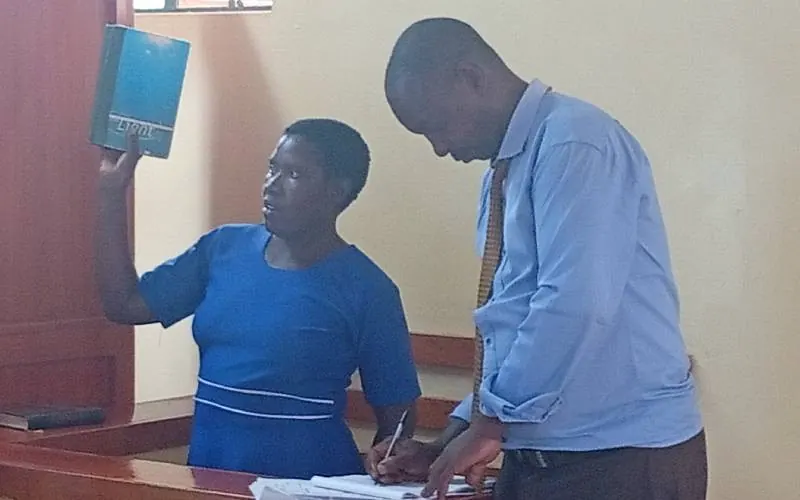
Two witnesses, Dan Calvince Nyadiero, Otieno's younger brother, and Florence Adek, his aunt, testified in court about the circumstances surrounding the exhumation. Nyadiero told the Ndhiwa Law Court that he went to Seme and found that his brother had been buried in a bush, which he described as an unsuitable environment for a human burial. Adek also stated that the burial was done contrary to Luo culture, which requires that a human being is buried in a homestead to show dignity.
The family of Nyadiero, through their lawyer Albert Ongoso, is seeking to have the body reburied in accordance with Luo cultural practices. Ongoso questioned why the burial was done in a bush, asking if this was how the Luo community should inter their loved ones. The family of Nundu, however, opposes the narrative, with their lawyers, Kennedy Okong'o and Marvin Odero, arguing that the burial was done in a homestead.
The case has been scheduled for further hearing on November 6 by Ndhiwa Principal Magistrate Phylis Shinyada. The dispute has sparked a heated debate over burial rights and cultural practices in the region. The exhumation of Otieno's body has also raised questions about the dignity and respect afforded to the deceased.
The Luo community, like many others in Kenya, places great importance on burial practices and cultural traditions. The community requires that burials be conducted in a manner that respects the deceased and their family. In this case, the family of Nyadiero claims that the burial was done without regard for these cultural practices, leading to the exhumation of the body.
The outcome of the case is expected to have implications for burial practices in the region. The court's decision will likely provide clarity on the rights of families in determining burial arrangements and the importance of cultural practices in such matters. The case has also highlighted the need for families to communicate and agree on burial arrangements to avoid disputes.
Key points
- The family of Joseph Nyadiero exhumed the body of Joab Oloo Otieno, citing that it was buried like a dog in a bush contrary to Luo cultural practices.
- The family of Paul Nundu opposes the narrative, arguing that the burial was done in a homestead.
- The case has been scheduled for further hearing on November 6 by Ndhiwa Principal Magistrate Phylis Shinyada.