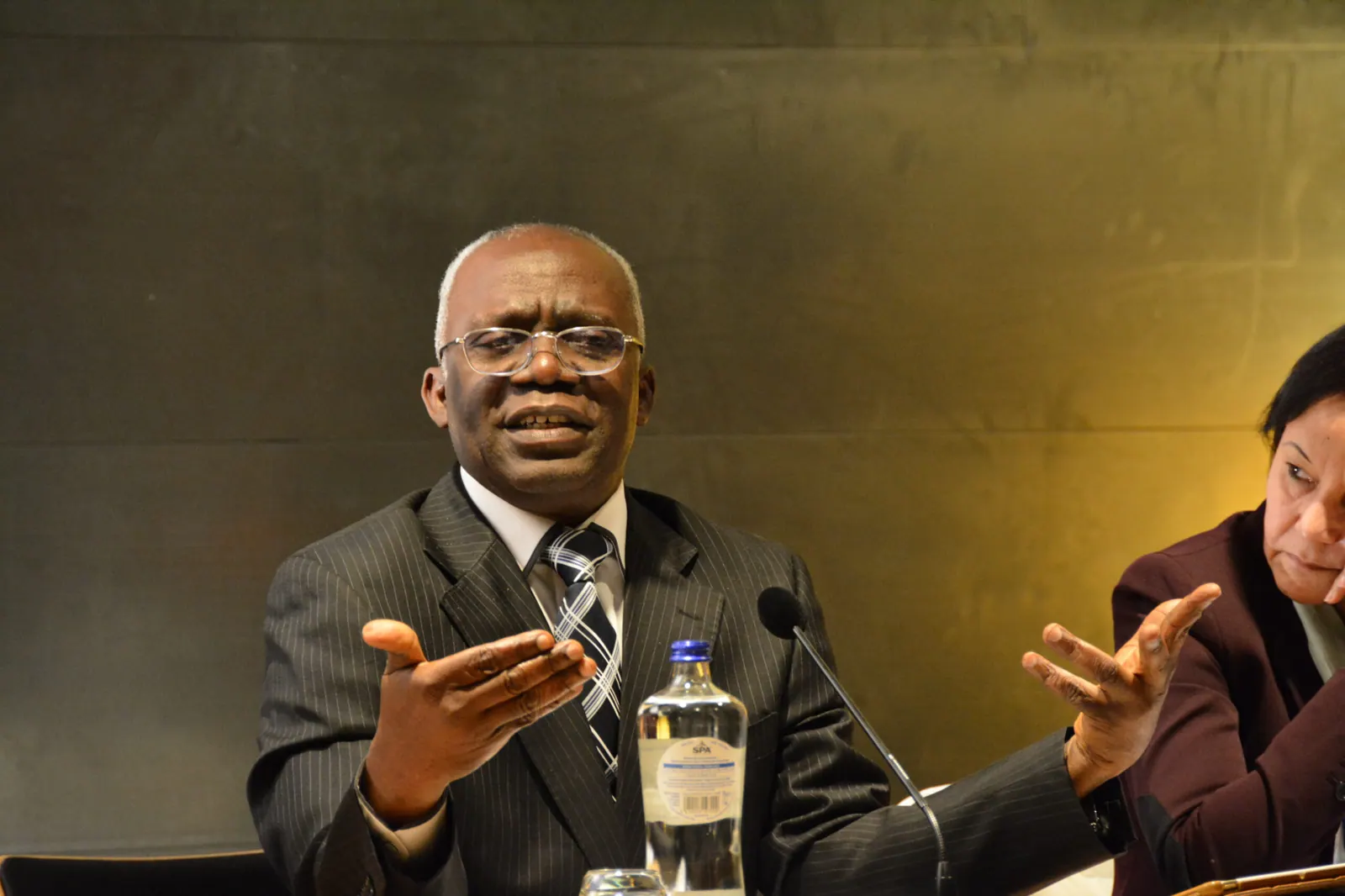
Senior Advocate of Nigeria (SAN) Femi Falana has called on Nigerians to demand a country where citizenship guarantees dignity, opportunity, security, and justice. He made this statement as the guest speaker at the 2026 ITV and Radio Pre-Independence Lecture. The lecture, titled "The Nigerian Dream: Still Valid or Dead on Arrival?", had the theme "From Ballot to Better Life: What Should 2027 Actually Deliver?" Falana emphasized that the Nigerian dream remains a legitimate aspiration despite the country's challenges.
According to Falana, the Nigerian Dream means different things to different citizens, but ultimately reflects the desire for a society where hard work is rewarded and people can pursue their aspirations without being constrained by poverty, insecurity, corruption, or political connections. For some citizens, the dream is about owning a home, obtaining quality education, securing gainful employment, establishing a successful business, and raising a family in safety and dignity.
Falana highlighted that for young Nigerians, the dream could mean having access to opportunities to build successful careers at home rather than being compelled to leave the country in search of better prospects. For farmers, it may mean having access to land, infrastructure, markets, and security so that they can work without harassment. He also noted that entrepreneurs should be able to operate businesses without unnecessary bureaucratic obstacles or relying on political connections to succeed.
Falana described the Nigerian Dream as the belief that the country can become a place where "citizenship is not a disadvantage". He stressed that Nigerians should be able to look forward to a future not predetermined by corruption, insecurity, poverty, unemployment, discrimination, or political patronage. The dream, he said, is ultimately about "dignity, opportunity, justice, and accountable government," and that such aspirations are reasonable and achievable.
Turning to the country's democratic future, Falana urged Nigerians to demand accountability from those entrusted with political power and to make effective use of their right to access information. He emphasized the importance of questioning those in power and seeking transparency. Falana also called for the effective implementation of the Child Rights Law, particularly to protect children from poor and disadvantaged backgrounds.
The lecture was organised by ITV and Radio, with its Managing Director, Engr. Elvis Obaseki, urging Nigerians to renew their commitment to reviving the Nigerian Dream and ensure that 2027 brings good governance and tangible improvements in the lives of ordinary citizens. The event included a panel discussion and audience participation session, moderated by Philip Omorogiukpon.
The event had goodwill messages from notable figures, including Most Snr. Apostle David E. O. Unuefe Ikhuiwu, Prince Johnson Atsetileghe, Comrade (Mrs.) Osayuki Epelle-Asemota, and Hon. Charity Iguodala Aiguobarueghian. Falana also highlighted Nigeria's difficult struggle for independence, noting the significant contributions of Edo State to the nationalist movement, citing the late Chief Anthony Enahoro and the late Mike Imoudu among prominent Edo-born figures who fought for human rights and Nigeria's independence.
Key points
- Falana challenges Nigerians to demand a country where citizenship guarantees dignity, opportunity, security, and justice.
- The Nigerian Dream remains a legitimate aspiration despite the country's challenges.
- Falana urges Nigerians to demand accountability from those entrusted with political power.