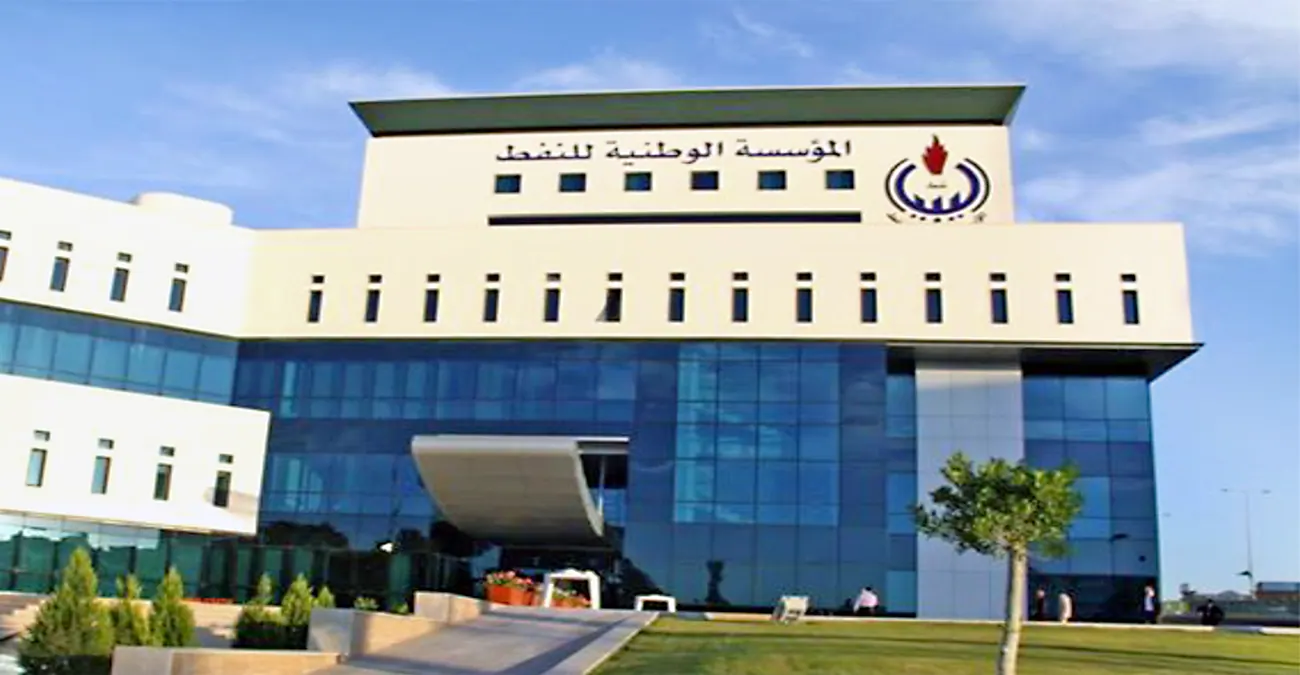
A supposedly official statement from Libya's National Oil Corporation has been making the rounds on social media, claiming to deny rumors of fuel price adjustments. The statement, which has been shared widely, appears to be a response to speculation about potential increases in fuel prices, coinciding with the unification of the exchange rate by the Central Bank of Libya. However, an investigation by Annir has revealed that the statement is not authentic.
Upon further investigation, Annir's team found that the alleged statement had not been published on the National Oil Corporation's official website or its official Facebook page on the date mentioned in the image. This suggests that the statement is likely a fabrication. The National Oil Corporation has not issued an official statement confirming or denying the rumors of fuel price increases.
The rumors of fuel price increases have been circulating on social media, causing concern among Libyans. The country's fuel prices have been a sensitive topic in recent years, with many Libyans relying heavily on subsidized fuel. Any changes to fuel prices could have significant impacts on the country's economy and citizens' daily lives.
Annir's investigation has revealed that the fabricated statement is likely intended to calm speculation and reassure the public. However, the fact that the statement is not authentic raises concerns about the spread of misinformation on social media. This incident highlights the need for Libyans to verify information through official channels before accepting it as true.
The National Oil Corporation has not commented on the rumors of fuel price increases or the fabricated statement. The corporation's silence on the matter has contributed to the uncertainty and speculation surrounding fuel prices. Libyans are advised to be cautious when sharing or accepting information on social media, especially when it comes to sensitive topics like fuel prices.
This incident is not the first time that fake news has circulated in Libya. In recent years, the country has struggled with the spread of misinformation, particularly on social media. The situation has been exacerbated by the country's ongoing political instability and lack of effective regulation of social media platforms.
The spread of fake news in Libya has significant implications for the country's stability and security. It can contribute to public confusion, mistrust, and even violence. Therefore, it is essential for Libyans to be vigilant and verify information through official channels before accepting it as true.
Key points
- A fabricated statement allegedly from Libya's National Oil Corporation is circulating on social media, denying rumors of fuel price increases.
- The statement is not authentic and was not published on the corporation's official website or social media channels.
- The incident highlights the need for Libyans to verify information through official channels before accepting it as true.