Farmers in eastern, central, and southeastern Sudan are struggling with the increasing presence of fake and counterfeit pesticides, which have caused substantial damage to their crops. According to farmer Abdul Karim Ibrahim, the issue has affected around 60 to 70% of farmers in areas such as Jebelain, southern Sennar, Blue Nile, and Gedaref. He stated that a limited network of individuals is involved in counterfeiting pesticides by refilling original containers with unknown substances and reselling them as genuine products.
The fake pesticides are often sold at lower prices than the original products, making them attractive to farmers who are facing high production costs. However, these counterfeit pesticides have proven to be ineffective, leading to crop damage and significant financial losses for farmers. Ibrahim warned that the use of unknown chemical substances in these pesticides poses a risk to consumers' health and could have a negative impact on the economy and the agricultural sector.
The issue of fake pesticides has also affected large sugar factories, which may unknowingly purchase counterfeit products due to the difficulty in distinguishing between genuine and fake pesticides. Ibrahim called for enhanced monitoring and coordination between relevant authorities, producers, and experts to address this issue. He emphasized that regulatory and security agencies face challenges in detecting counterfeit pesticides and identifying their sources.
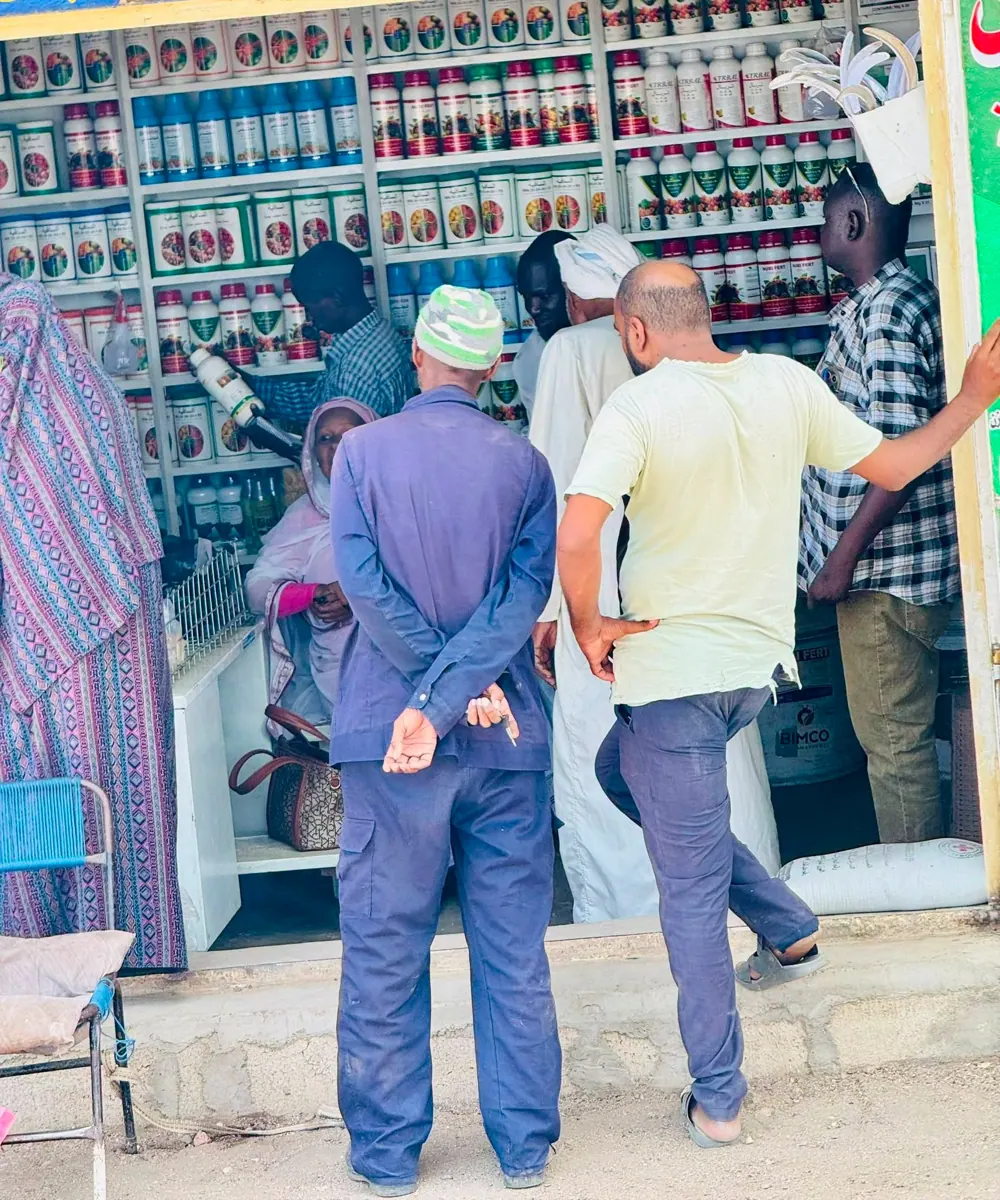
Mustafa Al-Turifi, a member of the Farmers' Association in the Gezira Project, stated that fake pesticides have appeared in markets due to a lack of oversight and regulation. He noted that some pesticide sales outlets are owned by traders who have no background in agriculture and are primarily focused on making a profit. Al-Turifi stressed that these outlets should be managed by specialists and professionals in the agricultural field who can provide guidance and advice to farmers.
The problem of fake pesticides initially emerged with weed killers, which failed to achieve the desired results, and later spread to insecticides used in cotton crops. Al-Turifi reported that cotton crops have been affected by diseases such as redness and infestation, resulting in significant damage. He attributed some of the issues facing crops to the poor quality of fertilizers and the lack of regulation and standards.
Al-Turifi emphasized the need for stricter monitoring of pesticide sales outlets and ensuring that available products meet standards and are overseen by specialists. This, he believes, will guarantee that farmers receive proper guidance, suitable pesticides, and fertilizers, protecting their crops from losses. The issue of fake pesticides in Sudan highlights the need for effective regulation and monitoring to safeguard the country's agricultural sector and public health.
The Sudanese government and relevant authorities must take immediate action to address the issue of fake pesticides and prevent further damage to the country's agricultural production. This can be achieved through enhanced monitoring, regulation, and coordination between stakeholders.
Key points
- The spread of fake pesticides in Sudan has caused significant losses for farmers, threatening the country's agricultural production and public health.
- Fake pesticides are often sold at lower prices than original products, making them attractive to farmers facing high production costs.
- The issue of fake pesticides highlights the need for effective regulation and monitoring to safeguard Sudan's agricultural sector and public health.