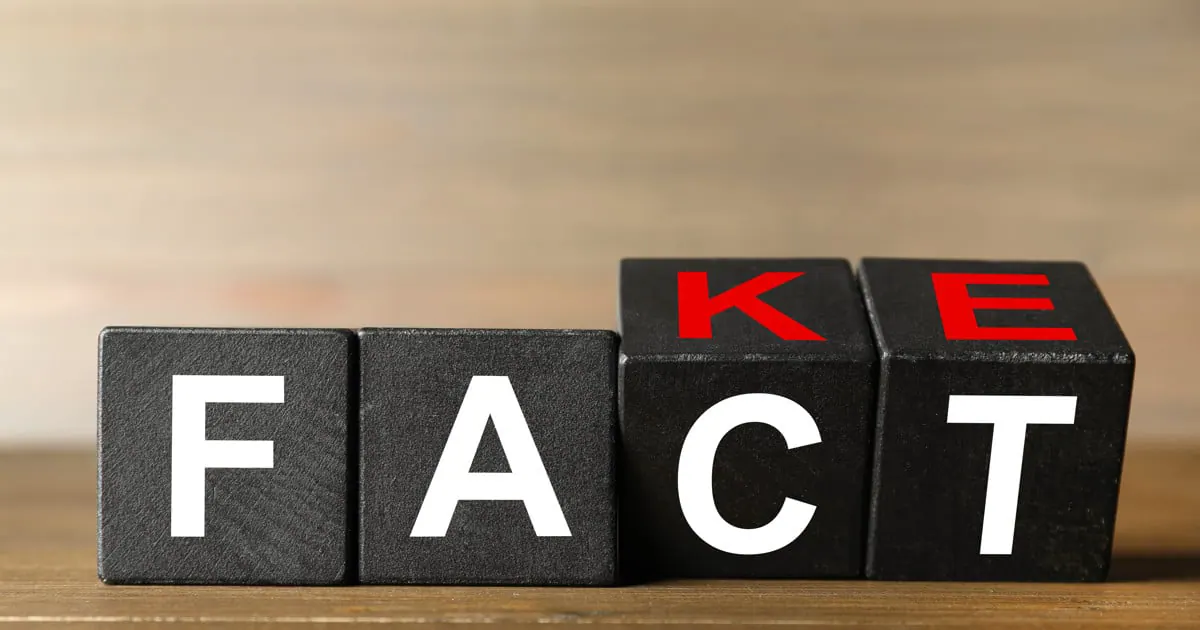
As the 2026 local government elections draw near, social media platforms in South Africa are becoming increasingly inundated with fake accounts, misleading posts, and coordinated online campaigns. This surge in online activity is making it challenging for voters to discern fact from fiction. According to Yossabel Chetty from the Centre for Information Integrity in Africa, researchers have identified a significant increase in dodgy online activity, including the use of sock puppets, which are fake online identities used to influence conversations or make certain political views appear more popular or legitimate than they really are.
The Centre for Information Integrity in Africa has detected signs of coordinated campaigns intended to manipulate specific communities. Chetty explained that researchers have spotted posts about mayoral candidates that have attracted almost identical comments from multiple accounts. These comments often appear to be copy-and-pasted, suggesting a coordinated effort to sway public opinion or make a particular party appear more popular than it is. This type of activity can be misleading and potentially influence voters' decisions.
One account that has attracted attention is the Somandla Institute, which promotes the Freedom Front Plus on TikTok. With around 510,000 followers and nearly 11 million likes, the account has significant reach. However, Chetty noted that the party has claimed it does not know who is behind the account, suggesting that it may be an unauthorized or shadow account. The account also posts divisive and conspiratorial racial messaging, which can be detrimental to the democratic process.
The Somandla Institute account also directs users to an AI-powered election information tool called Wardbeat. Chetty warned that this presents a serious risk of misinformation, as Wardbeat lacks public CIPC registration and transparent ownership. This lack of accountability and transparency can lead to the dissemination of unchecked, potentially biased, or incorrect election information, which can be harmful to voters.
However, not everyone sharing false information is deliberately trying to mislead people. Chetty explained that misinformation often spreads when ordinary social media users forward posts without verifying their accuracy. This can happen due to an altruistic desire to help others access information, without taking the time to fact-check. It is essential for voters to be cautious when sharing information online and to verify the accuracy of posts before sharing them.
The spread of misinformation and disinformation ahead of the 2026 local government elections is a concern for electoral authorities and voters alike. The Independent Electoral Commission (IEC) has launched a code of conduct to minimize disinformation ahead of the elections. However, it remains to be seen how effective this measure will be in curbing the spread of false information online.
As the elections approach, voters will need to be vigilant and critically evaluate the information they consume online. By being aware of the risks of misinformation and disinformation, voters can make informed decisions and avoid being influenced by fake online accounts and coordinated campaigns.
Key points
- The use of sock puppets and disinformation accounts is on the rise in South Africa ahead of the 2026 local government elections.
- The Somandla Institute account on TikTok has been promoting the Freedom Front Plus and posting divisive and conspiratorial racial messaging.
- The IEC has launched a code of conduct to minimize disinformation ahead of the elections.