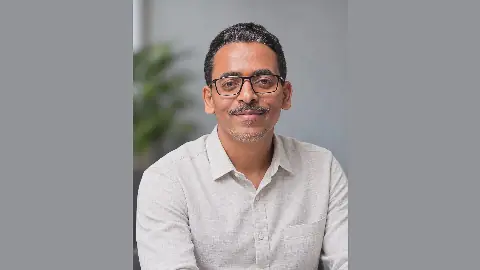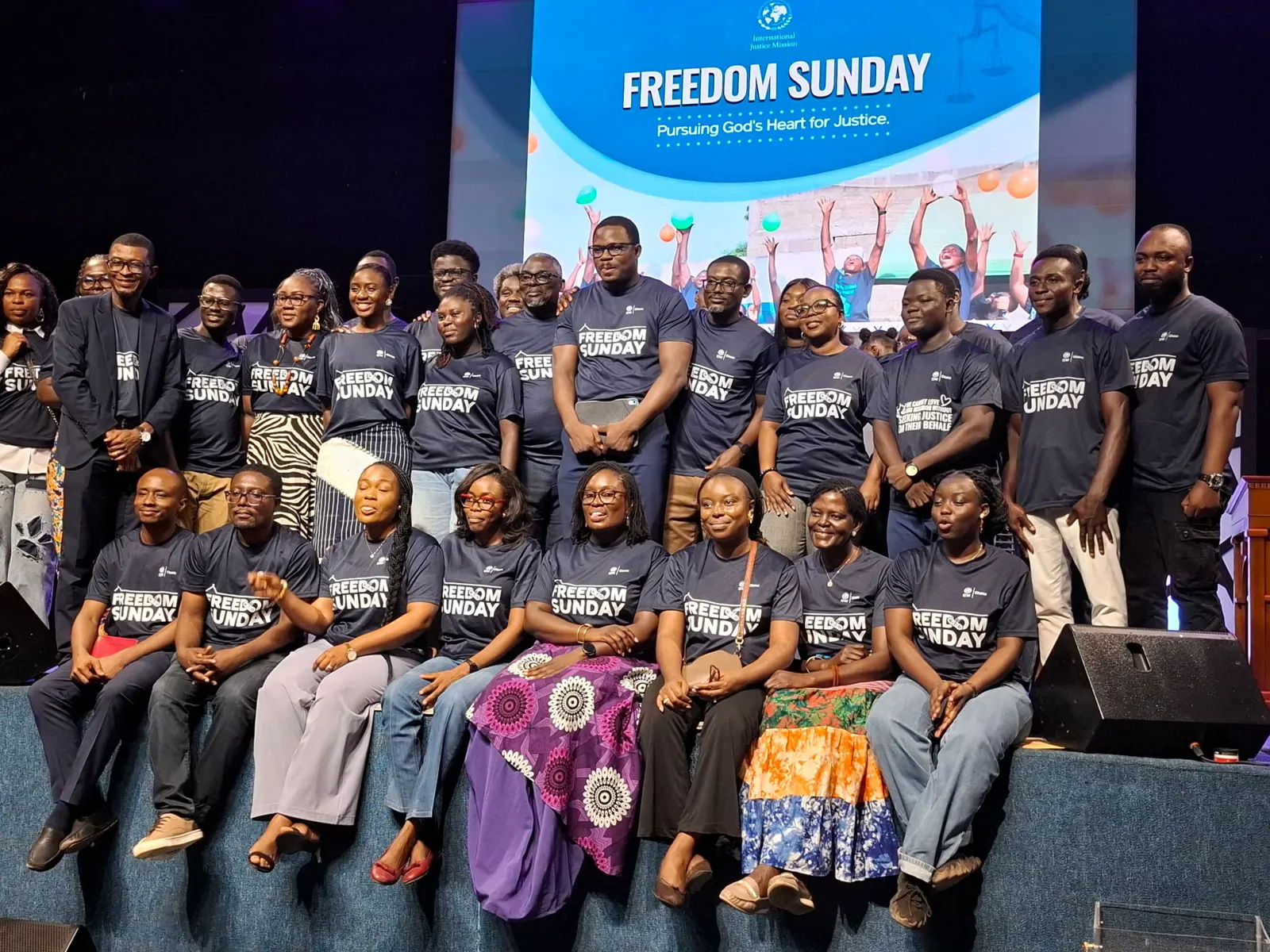
The International Justice Mission (IJM) Ghana has called on religious bodies to intensify efforts to safeguard children from trafficking and exploitation. According to Madam Anita Budu, Director of West Africa at IJM, faith-based organisations can leverage their influence to raise awareness, mobilise communities, and promote justice for vulnerable individuals. This appeal was made during an interview with the Ghana News Agency on the sidelines of this year's Freedom Sunday service in Accra.
The Freedom Sunday service, organised by IJM Ghana in partnership with Impact City Church, was part of a global initiative that encourages churches and Christians to pray, worship, and take action against human trafficking. Madam Budu emphasised that faith communities have a responsibility to support vulnerable people, including children, widows, and the oppressed, and to seek justice for those unable to do so themselves. The initiative aimed to remind faith communities of their role in promoting justice and caring for the vulnerable.
More than 80 churches across Ghana participated in this year's Freedom Sunday activities, while over 30 mosques shared messages on justice and the protection of vulnerable people during Friday prayers. Madam Budu highlighted that despite progress in combating child trafficking, children are still being taken to the Volta Lake and farms, where they are subjected to exploitative labour. She stressed the need for communities to continue safeguarding their children to prevent such exploitation.
According to IJM data, over 500 child trafficking victims have been rescued in Ghana over the past decade through collaboration with state justice institutions, while more than 70 perpetrators have been convicted. A 2022 prevalence study commissioned by IJM and published in 2025 found that 38 per cent of children in communities around Lake Volta were suspected victims of trafficking, while 45 per cent were engaged in exploitative child labour. These statistics underscore the ongoing challenge of child trafficking in Ghana.
Madam Budu emphasised that the government must continue interventions to protect children exposed to trafficking and exploitation. She noted that IJM would in 2027 continue engaging chiefs, religious bodies, and other faith-based organisations to strengthen justice and child protection. This effort aims to build on the progress made so far and to address the remaining challenges in combating child trafficking.
The IJM Ghana Director highlighted the importance of faith communities in promoting justice and caring for the vulnerable. She encouraged religious leaders to focus on what "God says about justice and caring for the vulnerable in their pulpits and wherever they have influence." By doing so, faith communities can play a crucial role in protecting children from trafficking and exploitation.
In conclusion, the International Justice Mission Ghana's call to faith groups to help combat child trafficking underscores the need for collective action to protect vulnerable children. With the continued collaboration of faith communities, government institutions, and other stakeholders, it is possible to make significant progress in combating child trafficking and promoting justice for all. Key efforts will focus on raising awareness, mobilising communities, and strengthening justice and child protection.
Key points
- Faith groups can leverage their influence to raise awareness and promote justice for vulnerable individuals.
- Over 500 child trafficking victims have been rescued in Ghana over the past decade.
- IJM Ghana will continue engaging chiefs, religious bodies, and faith-based organisations to strengthen justice and child protection in 2027.