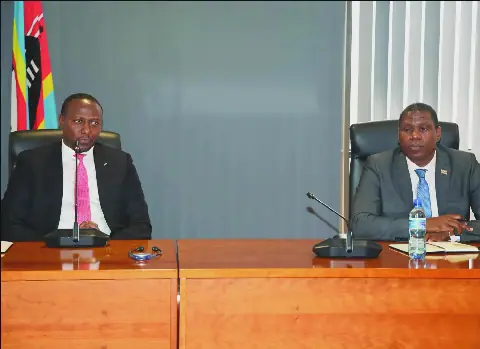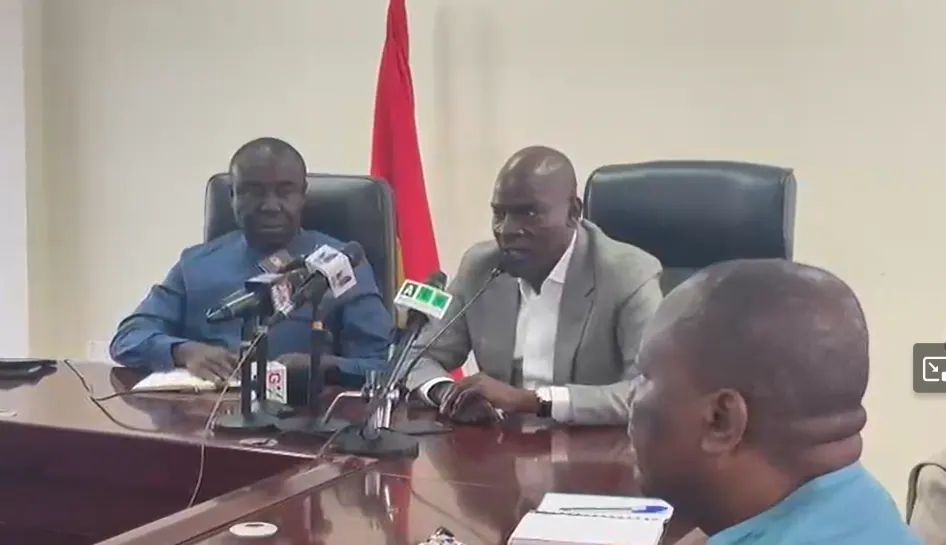
The Fair Wages and Salaries Commission is set to meet with Ghana's pre-tertiary teacher unions on October 6, 2026, in an effort to resolve the ongoing nationwide teachers' strike. The meeting will focus on negotiations over the unions' collective agreement and conditions of service. Education Minister Haruna Iddrisu revealed this development after a meeting with the teacher unions.
The Ghana National Association of Teachers (GNAT) and other unions have been on strike due to outstanding concerns, including unpaid promotion arrears and progress on their conditions of service. The strike began after the government failed to meet their demands. Despite the government's appeal to call off the strike, GNAT has insisted that teachers will not return to the classroom until concrete action is taken on their demands.
Education Minister Haruna Iddrisu stated that a validation committee, chaired by the Ministry of Employment and Labour, will validate data on the government's commitment to implement the 20% rural deprived allowance. The committee's work aims to establish the relevant data required for the implementation of the allowance, with teacher union representatives participating in the process. The rural deprived allowance is expected to be rolled out effective January 23rd.
However, GNAT rejected the government's appeal for teachers to return to the classroom, emphasizing that the strike will continue until concrete action is taken on their outstanding demands. The union expressed frustration with previous promises, stating that they now require tangible action rather than assurances. GNAT directed its members to continue staying away from the classroom until their demands are met.
The validation committee's work and the October 6 meeting between the Fair Wages and Salaries Commission and teacher unions are crucial in determining the strike's outcome. The government's efforts to address the teachers' concerns will likely be closely watched by teachers and other stakeholders. If an agreement is reached, it may pave the way for the strike's resolution.
Key issues driving the strike include the payment of outstanding promotion arrears and progress on the teachers' conditions of service. The teacher unions are demanding that their salaries reflect on their payslips and be credited to their accounts before they return to work. The government's response to these demands will be critical in determining the strike's duration.
The strike by pre-tertiary teacher unions has disrupted educational activities in Ghana, with pupils left unsupervised in some areas. The Education Ministry has renewed its appeal for teachers to return to the classroom, but the unions remain resolute in their demands. The outcome of the October 6 meeting will be crucial in resolving the impasse.
Key points
- The Fair Wages and Salaries Commission will meet with teacher unions on October 6 to negotiate their collective agreement and conditions of service.
- The Ghana National Association of Teachers (GNAT) has rejected the government's appeal to end the strike, insisting on concrete action on their demands.
- The strike is driven by demands for payment of outstanding promotion arrears and progress on teachers' conditions of service.