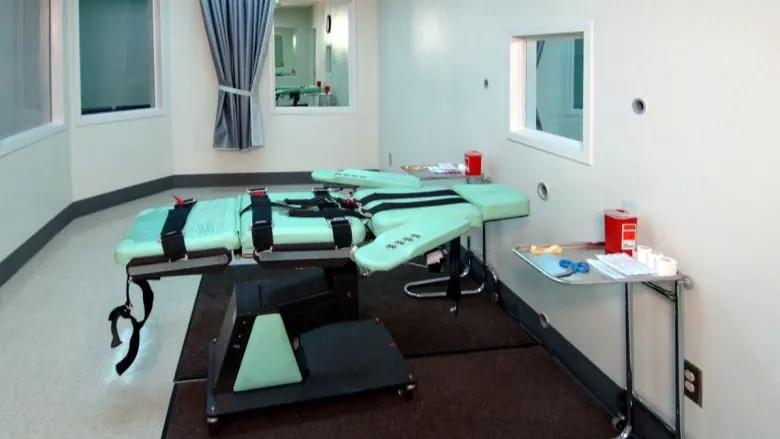
The attempted execution of Christa Pike by lethal injection in Tennessee has failed. Pike, who was sentenced to death in 1996 for the murder of Colleen Slemmer, was hospitalized after the administration of the lethal substance, according to her lawyers. The exact causes of the failure were not immediately established. This incident has raised questions about the protocol and risks associated with capital punishment in the United States.
This is not the first instance of a botched execution in Tennessee. In May, another execution was postponed due to the inability to find a suitable vein to administer the lethal injection. While the two situations are not identical, they have sparked concerns about the implementation of lethal injections. The method remains the most commonly used form of execution in the United States.
Critics of lethal injection argue that it poses a risk of suffering for the condemned and that there is a lack of transparency regarding the origin of the substances used. On the other hand, supporters of capital punishment argue that it should be maintained in states where it is authorized. The investigation into the incident involving Christa Pike will need to clarify what happened.
Christa Pike's case has been the subject of a last-minute judicial battle. Her lawyer reported that she was taken to the hospital following the attempted execution. The exact circumstances surrounding the failure of the lethal injection are still being examined. At this point, it would be premature to draw definitive medical or technical conclusions.
The debate over capital punishment has been reignited by this incident. While some argue that it serves as a deterrent to crime, others claim that it is inhumane and prone to errors. The case of Christa Pike has highlighted the need for a thorough examination of the protocols in place for executions.
The use of lethal injection as a method of execution is widespread in the United States. However, the secrecy surrounding the substances used and the procedures followed has raised concerns among human rights groups and some medical professionals. The incident involving Christa Pike has added fuel to the debate on the morality and efficacy of capital punishment.
The investigation into the attempted execution of Christa Pike is ongoing. The findings are expected to shed light on the circumstances surrounding the failure of the lethal injection. This incident has sparked a renewed debate on capital punishment, with advocates on both sides presenting their arguments.
Key points
- The attempted execution of Christa Pike by lethal injection in Tennessee has failed, sparking renewed debate on capital punishment.
- Critics argue that lethal injection poses a risk of suffering and lacks transparency, while supporters argue that it should be maintained in states where it is authorized.
- The incident has highlighted the need for a thorough examination of the protocols in place for executions in the United States.