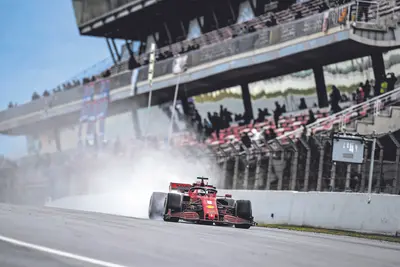
Formula 1 is poised to return to the African continent for the first time since 1993, with Rwanda securing an agreement to host a Grand Prix from 2030. A new permanent circuit near Bugesera International Airport, roughly 40 kilometres from Kigali, is planned under designs from former driver Alexander Wurz’s WurzDesign firm. This development would end a 37-year absence and mark a genuine positive for the continent.
An African race restores geographic balance to a calendar long dominated by Europe, the Middle East, Asia and the Americas. It signals that F1 recognises Africa’s growing economic weight, youthful population and passion for motorsport. Broadcasts reaching hundreds of millions of viewers worldwide would shine a spotlight on Rwanda’s rapid modernisation, infrastructure investments and tourism potential.
Local jobs in construction, hospitality, logistics and media would follow, while the project could inspire a new generation of African engineers, drivers and technicians. Lewis Hamilton has long championed an African Grand Prix. Seeing the sport return on African soil would fulfil that advocacy and broaden F1’s global appeal in a region of more than a billion people.
Yet the prospect of Rwanda hosting while South Africa remains on the sidelines feels incomplete. South Africa possesses the deepest motorsport heritage on the continent and a proven record of staging complex, high-profile international events. The South African Grand Prix formed part of the World Championship calendar from 1962 to 1985.
Kyalami, a respected high-altitude venue, hosted twenty championship races and has been upgraded to meet modern Formula 1 standards. In 2025 the FIA approved design plans for the Grade 1 upgrades required for modern Formula 1. Beyond the track, South Africa has repeatedly demonstrated organisational excellence in hosting major international events.
The 2010 FIFA World Cup showcased stadiums, airports, transport networks and security on a global stage. This country has hosted Rugby World Cups, Cricket World Cups, the Africa Cup of Nations, LIV Golf and countless major concerts as well as conferences. Its hospitality sector, skilled workforce and established tourism infrastructure give it an immediate advantage.
Rwanda’s progress is admirable and welcome, but that success should serve as a catalyst for South Africa, not a reason for resignation. The Rainbow Nation has the track record, the venue and the capacity. With sharper focus and decisive action, it can ensure that when Formula 1 returns to Africa, the sport also returns to the place where it first planted deep roots.
Key points
- South Africa has a rich motorsport heritage and a proven record of staging complex international events.
- Rwanda's new circuit will bring investment and jobs to the nation.
- South Africa must intensify efforts to host a Formula 1 race.