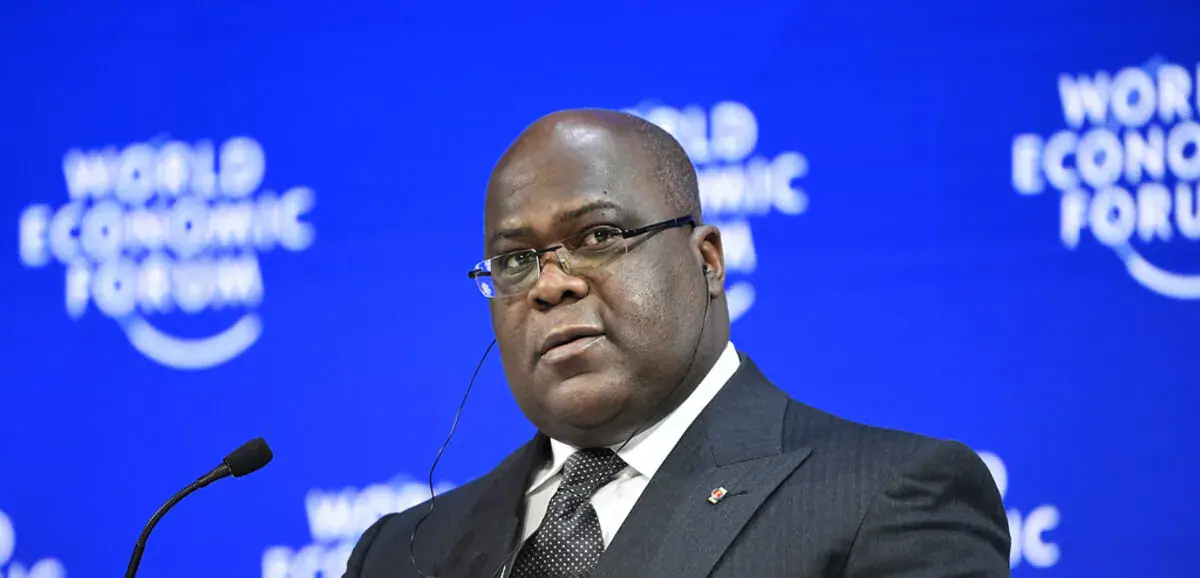
On November 23, 2026, in Kinshasa, Congolese President Félix Tshisekedi emphasized the need to accelerate the industrialization of the mining sector. This push aims to enable the Democratic Republic of Congo (DRC) to derive greater benefits from its substantial reserves of critical minerals, which are highly sought after globally. Tshisekedi highlighted that the country should not only be a major producer of minerals but also an economy capable of mastering their transformation and valorization.
The DRC possesses significant reserves of strategic minerals such as copper, cobalt, coltan, and lithium, crucial for the energy transition and technological industries. However, the country remains largely dependent on the export of raw materials. Tshisekedi lamented that the exploitation of these riches has long benefited foreign industries without generating sufficient returns for the Congolese population. He called on economic partners to present "credible investments" and concrete proposals.
During the opening of the Makutano Mining forum, Tshisekedi stressed the importance of local transformation of resources in the country's industrialization. He stated that true mining sovereignty lies in the ability to transform the wealth of the country's subsoil into sustainable economic power. The President also emphasized the urgency of strengthening traceability mechanisms to combat mining fraud and end the illicit exploitation of minerals, which fuels violence in the East of the country.
Tshisekedi advocated for reinforced industrial cooperation between African countries, particularly between the DRC and Zambia, which share an important copper belt. He encouraged the development of regional value chains within the framework of the African Continental Free Trade Area (AfCFTA) to ensure that the continent masters the transformation of its raw materials. This ambition is part of a strategic partnership concluded in December 2025 with the United States.
The partnership with the US aims to secure American supplies of critical minerals and reduce dependence on China, which is very present in the Congolese mining sector. Kinshasa hopes to obtain investments in the construction of local treatment and refining units, as well as in the manufacture of materials for batteries. However, American projects remain largely at the announcement stage, and discussions between the two countries are expected to continue in the coming months.
The US has requested guarantees to secure its investments, given the instability of the fiscal framework and the weakness of legal protections in the DRC. In early November, Congolese authorities had called on Washington to concretize its economic commitments. The two countries' discussions will focus on finding mutually beneficial solutions to enhance the DRC's economic benefits from its mineral resources.
As the DRC seeks to maximize its benefits from critical minerals, President Tshisekedi's call for industrialization and local transformation of resources is a key strategy. The country's economic future and its ability to harness its natural resources for sustainable development will depend on the success of this approach.
Key points
- President Félix Tshisekedi urges acceleration of mining sector industrialization to maximize benefits from critical minerals.
- The DRC possesses significant reserves of strategic minerals such as copper, cobalt, coltan, and lithium.
- Tshisekedi advocates for reinforced industrial cooperation between African countries, particularly between the DRC and Zambia.