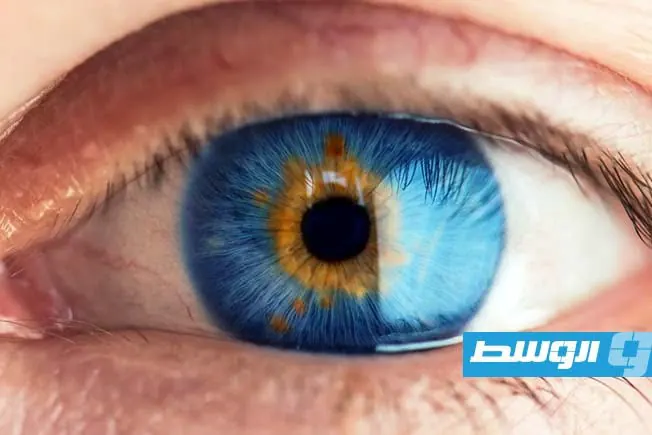
Researchers in South Korea have made a breakthrough in determining biological age through a simple eye exam. A team from Seoul National University discovered that a quick scan of the retina can provide a fast and non-invasive method to estimate biological age. This method, known as "retinal age gap," compares retinal images to a large training library to estimate age and detect differences in biological aging.
The study, published in the journal GeroScience, used 29,530 retinal scans from 7,535 participants and tested the model on 14,832 scans from 7,416 other participants. The system was able to estimate chronological age with an error margin of 2.5 to 2.7 years. The researchers also found that the retinal age gap was associated with various health factors, including diabetes, smoking, and age-related macular degeneration.
The retinal age gap was found to be associated with several health factors, including a 2.52-year increase with diabetes, 0.5-year increase with current smoking, and 0.46-year increase with past smoking. The study also found a 0.6-year increase with age-related macular degeneration and a 1.86-year increase with cataracts. However, the researchers noted that the association with cataracts may be due to reduced image clarity rather than accelerated retinal aging.
The researchers believe that this technology could be used in the future to help eye clinics refer patients for more comprehensive health evaluations. However, they note that the tool is currently more suitable for monitoring trends at the population level rather than individual level, due to the small effects compared to the error margin. The study's findings suggest that a simple eye exam could become a useful tool for estimating biological age and detecting potential health risks.
The study used a large dataset of retinal scans and machine learning algorithms to develop the retinal age gap model. The researchers trained the model on a diverse dataset that included images of healthy eyes as well as eyes with retinal or optic nerve diseases. This approach allowed them to develop a more accurate and robust model that can be used in a variety of settings.
The researchers also noted that the use of "multi-task learning" and evaluation of both sex and age together may reduce disparities between men and women. They believe that this technology has the potential to be a useful tool for healthcare professionals and could be used to identify individuals at risk for certain health conditions.
The study's findings have significant implications for the field of healthcare and could lead to the development of new diagnostic tools. The researchers plan to conduct further studies to validate their findings and explore the potential applications of this technology. A simple eye exam could become a valuable tool for estimating biological age and detecting potential health risks, allowing for earlier interventions and improved health outcomes.
Key points
- A simple eye exam can provide a quick and non-invasive way to estimate biological age.
- The retinal age gap was associated with various health factors, including diabetes, smoking, and age-related macular degeneration.
- The technology could be used in the future to help eye clinics refer patients for more comprehensive health evaluations.