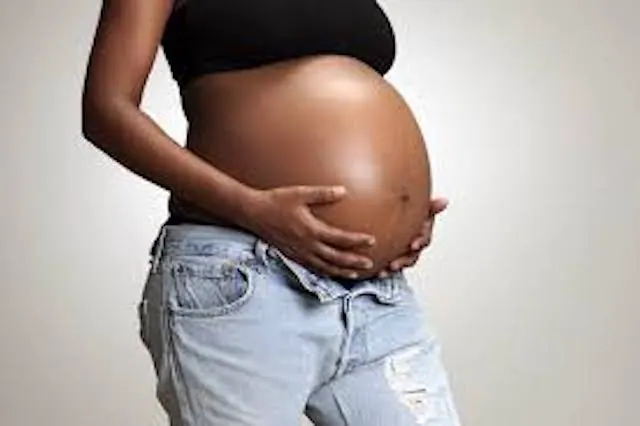
United Nations Climate Change Executive Secretary, Simon Stiell, has warned that extreme heat is emerging as a potentially fatal threat to pregnant women, newborns, and maternal healthcare systems as climate change intensifies. Stiell made this statement at the Birthright event in Suva, Fiji, on Monday. He emphasized that rising temperatures are increasingly linked to pregnancy complications, premature birth, stillbirth, and low birth weight.
According to Stiell, pregnancy and childbirth are becoming a new fault line in the global climate crisis. He cited a new survey commissioned by Wellcome of maternal health professionals across five countries on five continents, which highlighted growing concern over the impact of extreme heat on maternal, fetal, and newborn health. The survey found that 73% of healthcare professionals reported that heat-linked cases or complications had increased over the past five years.
The survey also revealed that 81% of respondents were either concerned or very concerned that extreme heat would increasingly put maternal, fetal, and newborn health at risk without greater action. Nearly all respondents, 98%, said they had cared for a pregnant woman whose health they considered affected by extreme heat, while 99% reported caring for a baby affected by extreme heat. Stiell emphasized that these figures represented more than statistics, pointing to the human consequences of extreme heat on expectant mothers, newborns, families, and healthcare workers.
Stiell stressed that someone working outdoors, living in unregulated housing, traveling far to a clinic, or relying on facilities without water, power, or cooling, cannot be protected by advice alone. He stated that "staying cool" is simply not an option when there is no cool place to go. The UN official warned that climate change could deepen existing inequalities in access to safe pregnancy and childbirth, particularly for women living in vulnerable communities and countries that had contributed relatively little to global warming.
Stiell called for maternal and newborn health to be integrated into climate adaptation, heat, and health planning. He identified three priorities: integrating pregnancy and newborn care into climate adaptation and heat-health plans; turning evidence into practical protection; and improving data collection and analysis to identify growing risks and measure which interventions work. The measures, according to him, should include resilient health facilities, reliable water and electricity, trained health workers, clearer guidance, heat alerts, and health systems prepared before extreme heat emergencies occur.
The UN official also called for stronger data showing where climate-related maternal and newborn health risks were increasing, which communities were most exposed, and where finance and technology were needed. He urged nations and the wider financial system to work toward mobilizing $1.3 trillion annually for developing countries to strengthen systemic resilience and accelerate the transition to clean, affordable, and secure energy on which effective health systems depend.
Stiell welcomed the Birthright Campaign by Wellcome and the World Health Organisation's work on maternal health and climate change, saying both could help address gaps in protection. He urged governments and other stakeholders to act before climate impacts become entrenched in maternity wards and communities, emphasizing that this work is urgent, deeply human, and requires collective responsibility to drive it forward.
Key points
- The UN Climate Change Executive Secretary emphasized that extreme heat is a potentially fatal threat to pregnant women, newborns, and maternal healthcare systems.
- Stiell called for the integration of maternal and newborn health into climate adaptation, heat, and health planning to address the growing risks.
- The UN official urged governments and stakeholders to act before climate impacts become entrenched in maternity wards and communities.