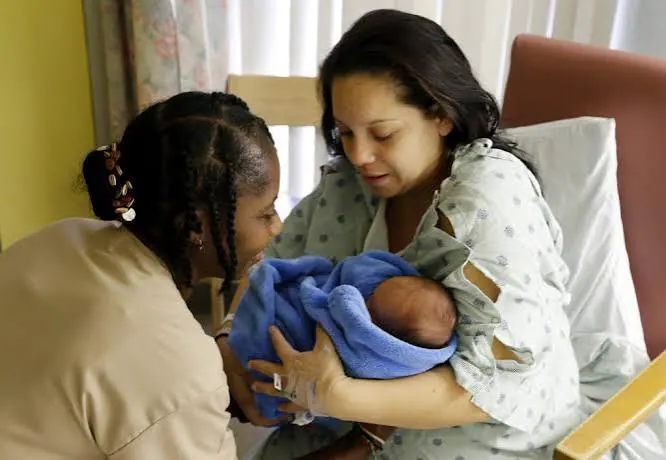
Extreme heat is emerging as a significant threat to pregnant women, newborns, and maternal healthcare systems due to climate change. UN Climate Change Executive Secretary Simon Stiell issued the warning at the Birthright event in Suva, Fiji, highlighting the association between rising temperatures and pregnancy complications, premature births, stillbirths, and low birth weight. He described pregnancy and childbirth as a new faultline in the global climate crisis.
A new survey commissioned by Wellcome involving maternal health professionals across five countries on five continents revealed growing concern among healthcare workers over the effects of extreme heat on pregnant women, fetuses, and newborns. The survey found that 73% of healthcare professionals reported an increase in heat-related cases or complications over the past five years. Additionally, 81% of respondents were concerned or very concerned that extreme heat would increasingly threaten maternal, fetal, and newborn health without stronger intervention.
The survey also found that 98% of respondents had cared for a pregnant woman whose health they believed had been affected by extreme heat, and 99% reported caring for a baby affected by extreme heat. Stiell emphasized that these figures represented more than statistics, reflecting the experiences of mothers, newborns, families, and healthcare workers confronting increasingly difficult conditions. He noted that simply advising vulnerable people to stay cool was insufficient when they lacked access to suitable housing, reliable electricity, water, or healthcare facilities equipped with cooling systems.
The warning carries particular significance for vulnerable communities, where existing barriers to maternal healthcare could be compounded by rising temperatures. Women who live in poorly regulated housing, work outdoors, travel long distances to healthcare facilities, or depend on facilities with unreliable power may face greater exposure to extreme heat. Stiell said climate change could widen inequalities that already influence pregnancy and childbirth outcomes, particularly for women in communities and countries that have contributed relatively little to global warming.
Stiell called for maternal and newborn health to become a central part of climate adaptation and heat-health planning. He identified three priorities for governments and health systems: integrating pregnancy and newborn care into climate adaptation and heat-health plans, turning scientific evidence into practical protection, and improving data collection to identify growing risks and determine which interventions are effective. Such measures should include resilient healthcare facilities, reliable access to water and electricity, trained health workers, clearer medical guidance, heat alerts, and health systems capable of preparing for extreme heat emergencies.
Stiell also called for the delivery of the tripling of adaptation finance agreed at COP30 in Brazil and urged governments and the wider financial system to work towards mobilizing $1.3 trillion annually for developing countries. He welcomed the Birthright Campaign by Wellcome and the World Health Organisation’s work on maternal health and climate change, saying both initiatives could help address existing gaps in protection. The Belém Gender Action Plan and Belém Adaptation Indicators were also highlighted as mechanisms that could strengthen gender-responsive climate action.
The warning places maternal health within the wider debate over climate adaptation, demonstrating that the consequences of rising temperatures extend beyond environmental damage to basic public health and human wellbeing. Stiell stressed that a newborn’s healthy start should not depend on a family’s ability to escape extreme heat and urged governments and other stakeholders to strengthen protections before climate-related risks become entrenched in communities and maternity facilities.
Key points
- Climate change poses a potentially fatal threat to pregnant women, newborns, and maternal healthcare systems.
- 73% of healthcare professionals reported an increase in heat-related cases or complications over the past five years.
- UN Climate Change Executive Secretary Simon Stiell called for maternal and newborn health to become a central part of climate adaptation and heat-health planning.