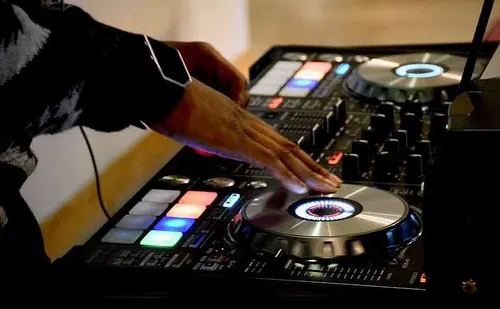
The Nigerian Copyright Commission (NCC) has issued a warning to Disc Jockeys (DJs) in the country, advising them to obtain authorization from the lawful owner of the music before playing it in public. According to the Commission, DJs who play music without obtaining a license from the Musical Copyright Society of Nigeria (MCSN) are liable to a fine of not less than N1,000,000 or imprisonment for a term of not less than 5 years or to both.
The Commission noted that the public performance of music by DJs, whether at hotels, event centers, clubs, gardens, or recreational facilities, qualifies as both public performance and communication to the public under the Copyright Act. The Deejays Association of Nigeria (DJAN), the umbrella organization that represents DJs across the country, has entered into a Memorandum of Understanding (MoU) with the MCSN to work closely with MCSN to facilitate the collection and payment of royalties on behalf of DJs.
The royalties are based on a tariff structure negotiated between DJAN and MCSN, ensuring that DJs comply with copyright laws. This partnership formalizes their collaboration on the management of copyright-related matters while ensuring fair compensation for rights holders. However, experts argue that the enforcement of public performance licenses should be extended beyond DJ performances to other venues where music is played, such as supermarkets, restaurants, airports, and gyms.
These venues use music to influence consumer mood, pace of movement, and perceived wait times and spending, and therefore extract measurable commercial value from copyright works. According to the Copyright Act, owners of copyright in musical works or sound recordings have exclusive rights to perform or communicate the work to the public. Any exercise of these rights without explicit authorization is considered an infringement under the law.
Section 36(1)(g) of the Copyright Act states that copyright is infringed by any person who, without the owner’s authorization, performs or causes to be performed for the purposes of trade or business or the promotion of a trade or business, any work in which copyright subsists. Liability can also attach to the venue independently of the performer, meaning that event centers and hospitality operators cannot displace responsibility onto the DJs they engage.
Experts argue that venues are administratively easier to license than DJs, as they are fixed, registered with corporate and state authorities, and physically inspectable. Licensing these venues will be cheaper to administer and easier to verify, resulting in wider compliance and higher compensation for affected right holders. This move will also ensure that businesses that use music to attract customers or enhance their commercial offering compensate the creator rather than extracting value for free.
The NCC’s statement emphasizes the importance of protecting copyright in music by obtaining licenses for music use, and it is commendable that the Commission creates awareness of the penalties and directs the public to the lawfully authorized body. Extending the enforcement net to include these venues will result in wider compliance, reducing the incidence of unauthorized use of music and ensuring higher compensation for the affected right holder.
Key points
- The Nigerian Copyright Commission should extend enforcement of public performance licenses to venues beyond DJ performances.
- Venues such as supermarkets, restaurants, and airports extract commercial value from copyright works by using music to influence consumer behavior.
- Licensing venues will be easier and cheaper to administer than licensing individual DJs, resulting in wider compliance and higher compensation for right holders.