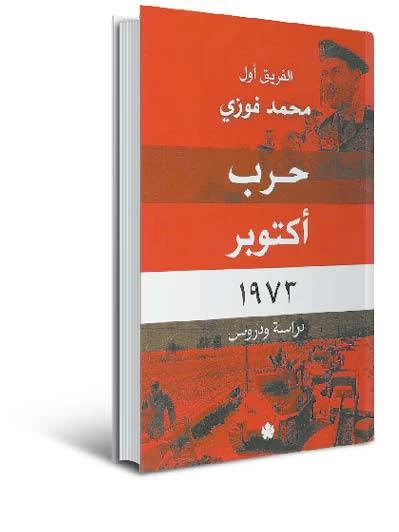
The book "October 1973 War: Study and Lessons" by Field Marshal Mohamed Fawzi offers an in-depth examination of one of the most significant military victories in modern Arab history. Written by a commander who witnessed the 1967 defeat and contributed to the 1973 victory, the book provides a unique perspective on the war's planning, execution, and aftermath. Fawzi's work is considered essential reading for anyone interested in understanding the intricacies of the conflict.
Field Marshal Fawzi, who lived from 1915 to 2000, was not just an ordinary commander. He served as the director of the Egyptian Military Academy, where thousands of officers were trained under his leadership. After the 1967 setback, President Gamal Abdel Nasser appointed Fawzi as the commander-in-chief of the armed forces and minister of war. Fawzi successfully reorganized, equipped, and trained the army within a short period, transforming the defeat into a foundation for victory.
The book begins with a detailed statistical analysis of the forces involved, comparing the Egyptian, Syrian, and Israeli armies. Fawzi highlights Israel's superiority in armor, fighter jets, and bombers, as well as its larger pool of pilots. He also notes the limitations of Egypt's Soviet-supplied weaponry and the loss of Soviet intelligence support after the expulsion of Soviet experts. These statistics provide a realistic understanding of the challenges faced by the Egyptian leadership.
Fawzi then delves into the historical narrative of the war's preparation, discussing the "Granite" plan developed in 1970 and 1971, which envisioned a simultaneous attack with Syria. This plan was later replaced by the more realistic October 1973 strategy. The author describes the practical preparations, including the formation of forces for offensive operations, the allocation of anti-tank weapons, and the buildup of reserves. He emphasizes that the operation was not easy and required flexibility in leadership.
The book provides a detailed account of the war's key battles, including the crossing of the Suez Canal, the destruction of the Bar-Lev Line, and the construction of bridgeheads. Fawzi uses hand-drawn maps to illustrate the movements of units, making the reader feel like they are accompanying the commanders on the maps. He highlights the military bravery of Egyptian soldiers, from those who stormed the canal under enemy fire to the officers who managed the battles efficiently.
Fawzi also addresses the negative aspects of the war, including planning and management errors, as well as political interventions that affected the operations. He criticizes certain decisions that led to the Deversoir gap and links them to a lack of full coordination with the Syrian side and reliance on American intelligence that aided Israel. The author argues that some political decisions transformed a strong position into pressure that led to a request for a ceasefire at a time when the army could have imposed better conditions.
The book concludes by emphasizing the importance of building a self-sufficient military force capable of withstanding external pressures, the significance of strategic deception that achieved surprise on October 6, and the need for balance between multiple fronts. Fawzi's work serves as a critical analysis of the 1973 war, providing valuable insights for military historians, strategists, and anyone interested in understanding the complexities of modern warfare.
Key points
- The book "October 1973 War: Study and Lessons" by Field Marshal Mohamed Fawzi provides a comprehensive analysis of Egypt's 1973 war against Israel.
- Fawzi's work offers a unique perspective on the war's planning, execution, and aftermath, drawing on his experiences as a commander who witnessed the 1967 defeat and contributed to the 1973 victory.
- The book highlights the importance of building a self-sufficient military force capable of withstanding external pressures.